
 LT
 DE
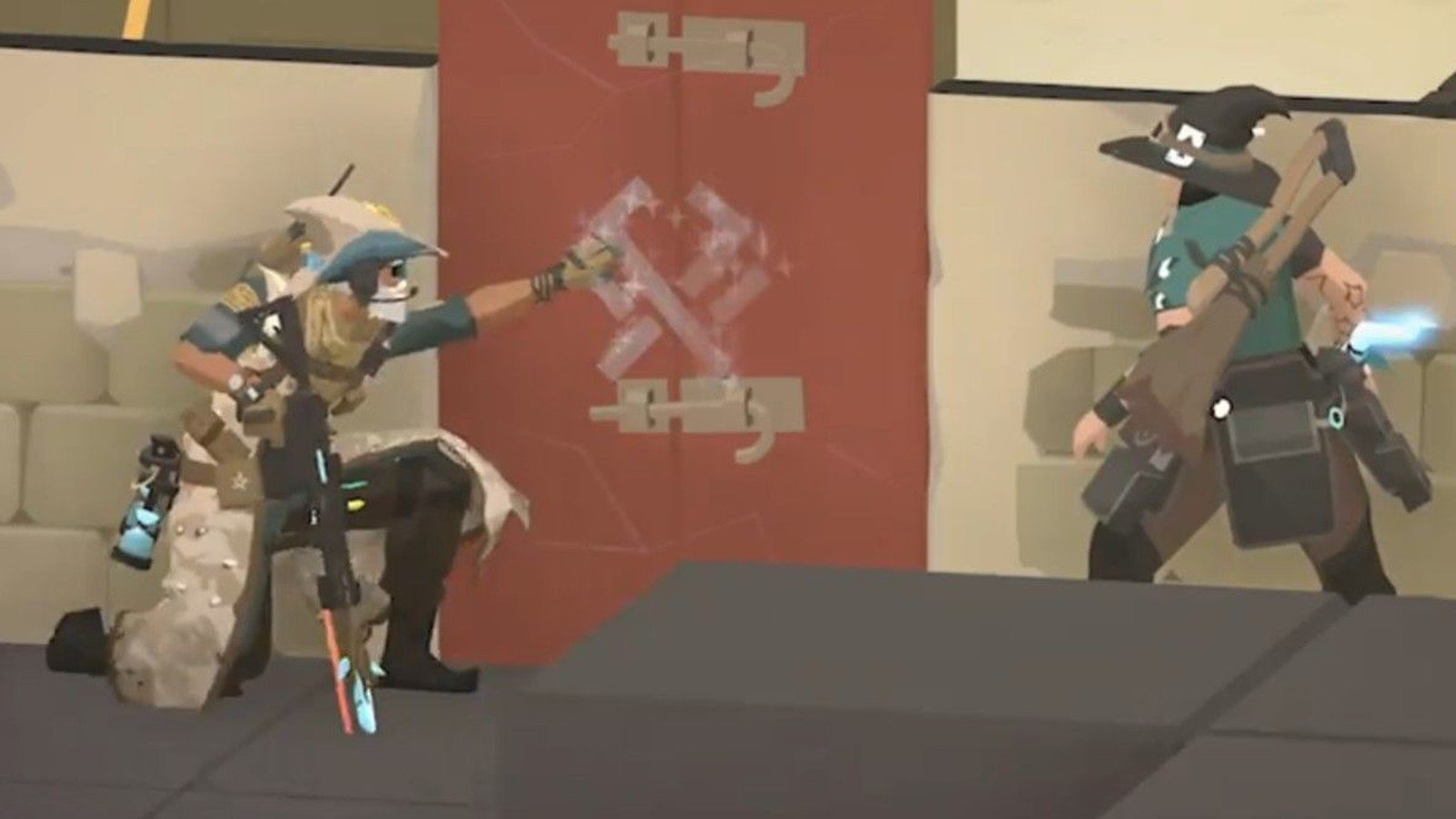
The “Tactical Breach Wizards IGF award” has become one of the most memorable recent highlights of the indie scene: the game not only received the Excellence in Design award but also, according to its developers, sold roughly twice as well as the studio’s previous projects.
The news was accompanied by the developers’ trademark humor—they joked that they had “failed catastrophically to lose” the IGF award, as if that had been their secret plan. Beneath the irony, however, lies a serious message: the game’s design and presentation matched audience expectations, while competition in the indie segment is becoming increasingly dependent on originality.
This case is particularly interesting because it combines two things that are often discussed separately: critical recognition through awards, which does not always translate into sales, and commercial success, which does not always indicate a high standard of design. “Tactical Breach Wizards” appears to have achieved both.
Below, we examine what the IGF is, why Excellence in Design is a significant category, what makes the game itself stand out, and what its results may reveal about today’s tactics and strategy niche.
Tactical Breach Wizards IGF award: what makes the IGF special and why it matters
The Independent Games Festival (IGF) is one of the oldest and most highly regarded events dedicated to games from independent developers. Unlike mainstream Game of the Year awards, the IGF tends to emphasize creative, technical, and design achievements rather than marketing scale or brand recognition alone.
IGF awards are important for several reasons. First, they serve as a mark of quality noticed not only by players but also by publishers, platform teams, the media, and other developers. Second, nominations and victories often extend a game’s “life cycle”: people start talking about it again, it resurfaces in recommendations, and some players discover the project long after its release.
Third, they provide reputational capital for the studio itself. For smaller teams, recognition can mean easier funding negotiations, greater trust from the community, and even more creative freedom in the future. This is especially relevant in the case of “Tactical Breach Wizards,” as the game belongs to a niche in which a “good idea” must be presented with exceptional clarity to attract a broader audience.
What Excellence in Design means and why Tactical Breach Wizards stands out
Excellence in Design is more than just an impressive title—it recognizes how a game is constructed as a system: its rules, tools, player decisions, clarity, learning curve, and whether its mechanics create interesting situations. In other words, it evaluates whether a game is “well designed” not only at the conceptual level but also in practice.
The essence of “Tactical Breach Wizards” lies in tactical missions where success depends not merely on having a “more powerful weapon,” but on reading the situation and creatively combining different solutions. This may sound familiar to fans of the genre, but the difference lies in the details: when the design is carefully considered, every move matters, mistakes are clear, and success feels earned rather than random.
In games like these, the balance between “freedom to experiment” and “transparent rules” is especially important. If the rules are too vague, players feel punished for not knowing something. If they are too restrictive, there is no room for creativity. The IGF Excellence in Design award typically goes to projects that find this sweet spot and allow players to feel clever: they provide the tools, encourage experimentation, and then reward a well-executed plan.
Another important aspect of design is pacing and the presentation of information. In tactical strategy games, players need a clear answer to the question, “What will happen if I do X?” When the UI, animations, effect logic, and predictability of each situation work together, decisions become deliberate. This is often what separates a “good tactical game” from a “frustrating” one.
Tactical Breach Wizards sales: twice as strong as previous games—what could that mean?
The developers stated that “Tactical Breach Wizards” sold roughly twice as well as the studio’s previous games. A number alone does not tell the entire story without context, but the trend is clear: the project reached a broader audience than the team’s earlier work. In the indie market, that often indicates one or more of several things—a clearer message, a more appealing presentation, a better-executed idea, or a successful combination of reputation and visibility.
In the economics of indie games, selling “twice as well” can often offset rising costs. Even when a team is small, polishing, testing, and marketing consume time, while competition across platforms is immense. The fact that a game is not only critically recognized but also genuinely purchased is therefore an important signal to other developers: high-quality design can be more than a source of prestige—it can also be a commercial advantage.
It is also worth mentioning the “long tail” effect. Tactical and strategy games often have loyal audiences that do not necessarily buy on day one, instead making a purchase once recommendations begin to emerge, updates or discounts become available, or the community demonstrates interesting tactics. An IGF award can give such a game an additional boost over a longer period.
Of course, an award alone does not guarantee success. However, when recognition coincides with a clearly communicated game identity, the results can be significant. In the case of “Tactical Breach Wizards,” the news about the award and its sales came together to form an easily understood story: the design has been recognized, and players are voting with their wallets.
The Tactical Breach Wizards IGF award and developer humor: why tone can also be part of the design
The developers’ joke about having “failed to lose” the IGF award may initially seem like nothing more than a social media gag. In the indie world, however, a studio’s communication style often works as an additional “product layer”: it shapes the community, sets expectations in advance, and helps a project stand out among thousands of others.
Indie audiences often value authenticity. When a studio communicates casually and with a touch of self-deprecating humor, it can be seen as a sign that the developers are not trying to sell an “empty, pompous vision,” but instead know what they are doing and understand their place in the market. This tone is particularly well suited to a genre in which players enjoy discussing decisions, mistakes, “impossible” situations, and creative moves.
In other words, the humor here is not merely advertising. It helps build a relationship with the audience and maintain interest after major events such as an IGF victory. That attention, especially following an award, can directly contribute to sales, wishlist growth, and long-term visibility.
Studio context: what growth following previous projects means
“Suspicious Developments” is a studio that was already known among fans of tactics and systemic design. When a team has distinctive “design DNA” and a clearly recognizable style, every new game becomes a kind of test of its reputation: can the developers once again offer something inventive, or will they remain only a fond memory associated with past hits?
In such a situation, IGF recognition serves as confirmation that the studio did not simply “repeat the formula,” but managed to expand or present it in a new way. In addition, sales that are twice as strong indicate that the developers’ audience is growing. This matters because reputation alone may not be enough in the indie market—a studio must continually “cross the threshold” into broader visibility, where niche genres meet a larger consumer base.
Growth also makes it possible to expect more ambitious projects in the future: more content, higher production values, and longer post-release support phases. At the same time, expectations also increase—especially after such clear recognition as Excellence in Design.
How awards like this affect players: from curiosity to community discussions
For players, awards provide a convenient “filter” amid an overload of information. When a game wins an award for design, it sends a clear message: “The mechanics and decisions matter here.” For fans of tactical games, that is often exactly what they are looking for—not just graphics, but well-constructed situations and meaningful planning.
In practice, IGF recognition can also motivate content creators: more reviews, recommendations, builds, and discussions of tactics begin to appear. This type of organic content is especially valuable for strategy games because it helps new players overcome the initial barrier and understand what makes the game interesting after the first few missions.
In addition, awards often encourage discussions about what “good design” actually means. Some people emphasize depth and complexity, others focus on clarity and readability, while still others prioritize the learning curve. These discussions increase the game’s visibility and longevity in their own right.
What to expect next: visibility, updates, and long-term potential
After receiving major recognition, the question often arises: will the game receive additional content, improvements, or other updates that further strengthen the “long tail” effect? Although specific plans may change, victories such as the IGF Excellence in Design award often give developers additional motivation and resources for future planning.
Players should follow not only news about updates but also discoveries made by the community. Tactical games often develop “metas”—effective decision-making patterns that later influence how people evaluate balance, mission design, and even the game’s overall difficulty. If developers respond actively, another layer of quality emerges: an ongoing dialogue and continuous refinement of the design.
Ultimately, the essence of this news is simple: “Tactical Breach Wizards” managed to stand out not only through its concept but also through its execution. When both the IGF jury and sales performance confirm this, the “Tactical Breach Wizards IGF award” becomes more than just a headline—it becomes a case study in how an indie game can capture attention in an intensely competitive market.