
 LT
 DE

If you are interested in which new Steam games in March 2026 are appearing beyond the major headlines, a simple but relevant story attracted attention in early March: PC Gamer selected five new Steam games that many players probably missed. A list like this is more than just a recommendation—it is also a sign of how crowded the new-release landscape has become and how game discovery habits are changing.
Steam has long been the main storefront for PC games, but today it resembles a massive marketplace: every week brings new projects, updates, Early Access pages, and demos, along with the challenge of figuring out what is actually worth your time. As a result, selections made by media outlets and curators increasingly serve as filters that help narrow down the options.
In this article, we will not retell the source text or try to “guess” the specific games. Instead, we will explain why selections like these appear, what they reveal about the Steam ecosystem, and how to create a practical system of your own so that March releases do not turn into yet another endless scrolling session.
New Steam games in March 2026: why more releases are going unnoticed
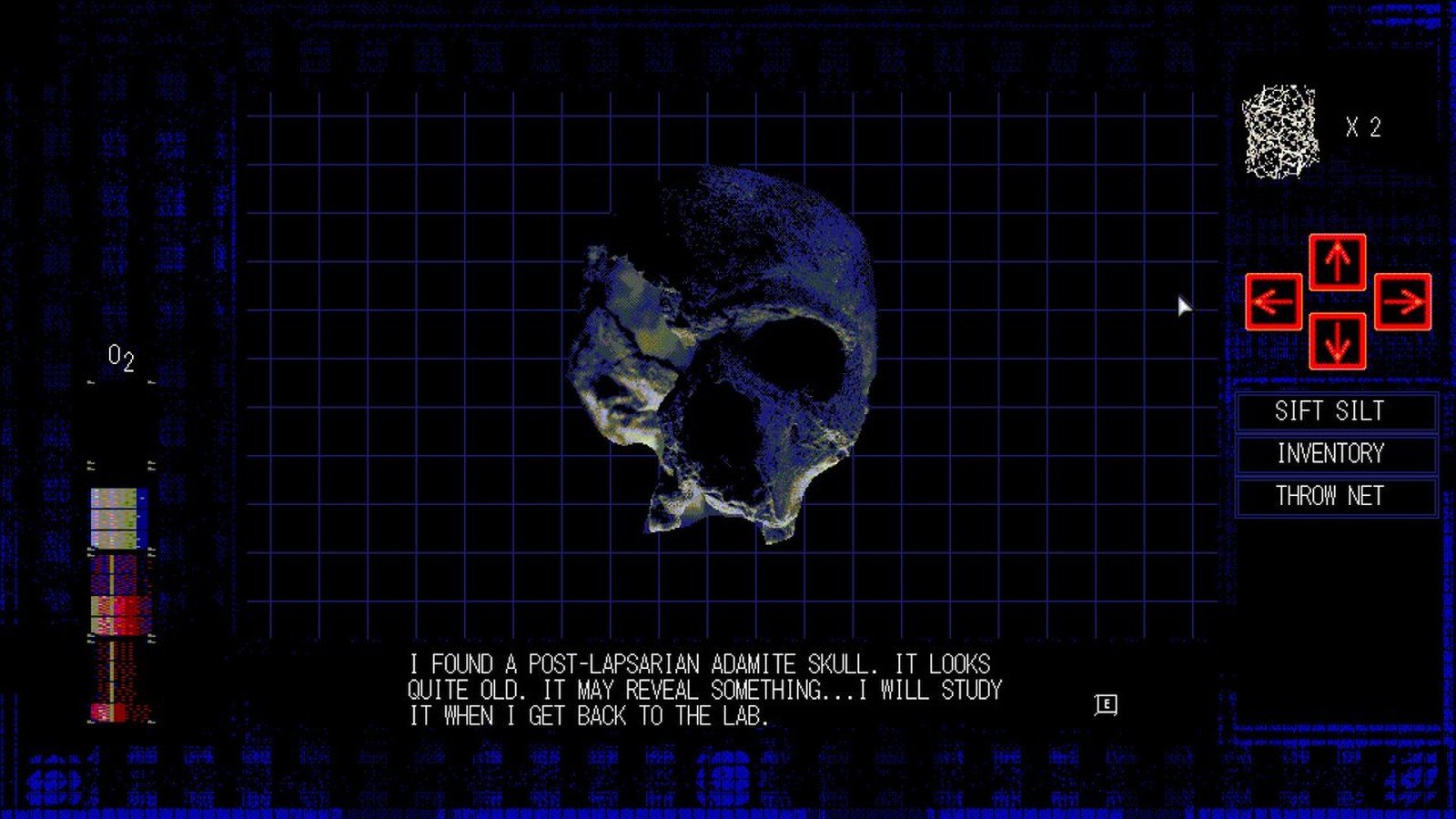
PC Gamer’s article about five overlooked releases essentially highlights one thing: attention has become a limited resource on Steam. Even if a game is polished, original, or aimed at a clearly defined niche, it can still fly under the radar simply because dozens of other projects launched on the same day, while major updates, seasonal events, and social media trends are also competing for players’ attention.
In 2026, this phenomenon is only becoming more pronounced: it is easier for developers to release a game thanks to accessible tools, engines, and publishing services, but harder to stand out. That is why a modern story about “five games you missed” is not so much about the five titles themselves as it is about market dynamics: discovery has become a skill in its own right.
For players, this means that Steam’s homepage or the “New & Trending” section alone is not enough. Algorithms often promote games that are already gaining momentum rather than those still searching for an audience. As a result, smaller releases, experimental projects, and games designed for narrow audiences are more likely to end up on the sidelines—even when they could become your discovery of the year.
Why this story matters: the “top five” as a sign that filters are valuable again
The format of the article—“five games you probably missed”—recalls an older tradition in gaming journalism, when selection and context were the most important elements. Today, with such an enormous flow of information, lists like these are returning not because of nostalgia, but because of their practical value: they save time.
However, it is also worth understanding the other side: every list is subjective. It reflects the editorial team’s tastes, the audience profile, and sometimes how easy a game is to present in an article—for example, it is easier to recommend a game with a clearly defined genre than an experiment that is difficult to categorize. Therefore, the smartest way to read such stories is not as a “shopping cart,” but as a guide to current trends: what types of projects are appearing, which genres are active, and who is experimenting with new ideas.
For players who follow the market, such a list of five games also confirms a simple truth: Steam releases are not a single feed. They are made up of many smaller streams: Early Access, demo festivals, niche communities, developer diaries, free prototypes, low-priced releases, and more. A curated selection helps you enter one of those streams—and from there, your individual journey begins.
How the Steam ecosystem “lost” some of its new games
Steam is designed to serve both mass audiences and niche communities at the same time. This is a major advantage, but it is also why new releases often have little chance of appearing in the platform’s main recommendation areas. Algorithms need signals: wishlists, initial sales, playtime, reviews, refund statistics, and player traffic. If a launch is quiet, those signals arrive late, and without signals, there is less visibility.
Another factor is the “first few hours” effect. During its first days, a game establishes its reputation: whether it has bugs, whether its servers work, whether the controls are clear, and whether the description matches the actual experience. If the launch is uneven, even a product that is fixed later may struggle to recover for a long time because early reviews often remain attached to its store page.
External marketing also plays a role. Games with visibility on YouTube, Twitch, or social media receive an additional boost that later carries over into their Steam statistics. Smaller projects, meanwhile, often rely entirely on organic discovery, which is unpredictable. This is precisely why editorial lists like these become an alternative form of “soft marketing”: they create the first wave of attention among an audience that might otherwise have passed the game by.
How to discover new Steam games in March 2026: a practical system, not luck
If your goal is to avoid missing interesting releases, it is worth creating a simple routine rather than relying on a single “magic” trick. This is especially true when discussing new Steam games in March 2026, as smaller releases often become more active after the winter season: developers launch projects following updates, complete their demo cycles, or finally reach version 1.0.
1) Manage your wishlist deliberately. A wishlist is not just a collection of games you might buy “someday.” It is your personal signal generator. Add 10–30 projects that genuinely interest you rather than hundreds. When the list becomes too long, notifications lose their value and decision-making once again becomes random.
2) Use the “Discovery Queue” as a research tool. Steam’s recommendations are not a perfect compass, but they work well when you give them a clear profile. Mark what you like, and do not waste time on games that are clearly not for you. After a few days, the queue becomes more accurate, and most importantly, you begin seeing games that are not at the top of the charts.
3) Follow several types of curators. One editorial list provides one perspective. It is also worth following one genre curator—for example, one focused on tactics—one indie curator, and one curator dedicated to experimental games. That way, even if you miss one article, the other channels will compensate.
4) Follow the logic of tags, not just titles. Steam tags often describe the experience better than marketing copy. If you enjoy “deckbuilder,” “immersive sim,” or “cozy” games, search using tags and filters. This is especially useful when you do not know exactly what you are looking for but do know what kind of pace you want.
What to check before buying a lesser-known release
Overlooked games often come with greater risks: smaller teams, less testing, and more limited infrastructure. That is not necessarily a bad thing—many excellent games were created under exactly these conditions—but it is still worth basing your purchasing decision on a few checks.
Clarity about the game’s status. Is it a full release or an Early Access title? Does the description explain what is still planned? A clear roadmap does not necessarily guarantee success, but it shows that the developer understands what is missing and what they want to improve.
Review quality, not just the percentage. For a small game, 20 reviews can be highly informative. Look at what people mention: controls, content length, optimization, and stability. Sometimes a “Mixed” rating reflects problems that can be fixed within a few weeks, while in other cases the issue is the core design direction—which you might actually enjoy.
Demos and refund policies. If a demo is available, it is the best filter. If there is no demo, remember the refund rules: a short test during the first few hours can help you avoid disappointment. The important thing is to test the game properly by checking its settings, controls, and first objectives rather than only looking at the menu.
Update frequency. The date and content of recent updates show whether the project is being actively maintained. This is especially important for smaller releases because their first few weeks often bring numerous bug fixes.
Why selections like these also help developers
Game discovery is not only a problem for players. For developers, it is an existential issue: even a good product can fail to gain traction if no one sees it during its first few days. Editorial lists, themed recommendations, and curator articles therefore also contribute to a healthier market by giving projects without large advertising budgets a chance.
Players also have a real impact here. Even simple actions—adding a game to your wishlist, leaving a constructive review, posting about a bug in the discussions, or sharing the game with a friend—create a wave of visibility. Steam’s algorithms see these signals. Once a game gains at least a little momentum, it can reach its audience even without a high-profile marketing campaign.
On the other hand, it is important to maintain a critical perspective: “overlooked” does not mean “automatically good.” It simply means that the game did not have an opportunity to be seen by a wide audience. Curated selections should therefore be treated as a starting point, not a final verdict.
What to expect from March releases and how to plan your time
March often becomes the month when players return to their “normal” purchasing habits after the sales and seasonal events at the beginning of the year. This means that new releases receive more attention instead of discounts dominating the conversation. If your goal is to follow new releases, it is worth scheduling time not for buying games, but for testing them through demos, opening hours, and brief first impressions.
If you are trying to determine which new Steam games in March 2026 deserve attention, it is useful to create a personal “basket” with several categories: one short game for an evening, one longer project for the weekend, one live-service game that receives updates—if that format appeals to you—and one experimental title. This mix reduces the risk of buying several similar games and ultimately finishing none of them.
It is also worth remembering that a game’s value on Steam often emerges through its community: guides, mods, discussions, and developer responses. For smaller games, this can be a decisive factor. Sometimes a project launches in a modest state but becomes significantly better within a month—and that is exactly when your wishlist and follow notifications become useful.
Conclusion: one story, but a broader lesson
PC Gamer’s early-March article about five overlooked Steam games is a reminder that, in the modern gaming market, success does not belong to whoever releases the most games, but to whoever manages to get discovered. For players, this means it is worth having your own filters instead of relying solely on algorithms or the first page of the storefront.
If you want to get practical value from this story, the best step is to create a small but effective discovery routine: a wishlist, several trusted curators, tag filters, and a habit of briefly testing games. That way, games you might have “missed” will increasingly become your own discoveries rather than hidden gems you only hear about a year later.