
 LT
 DE
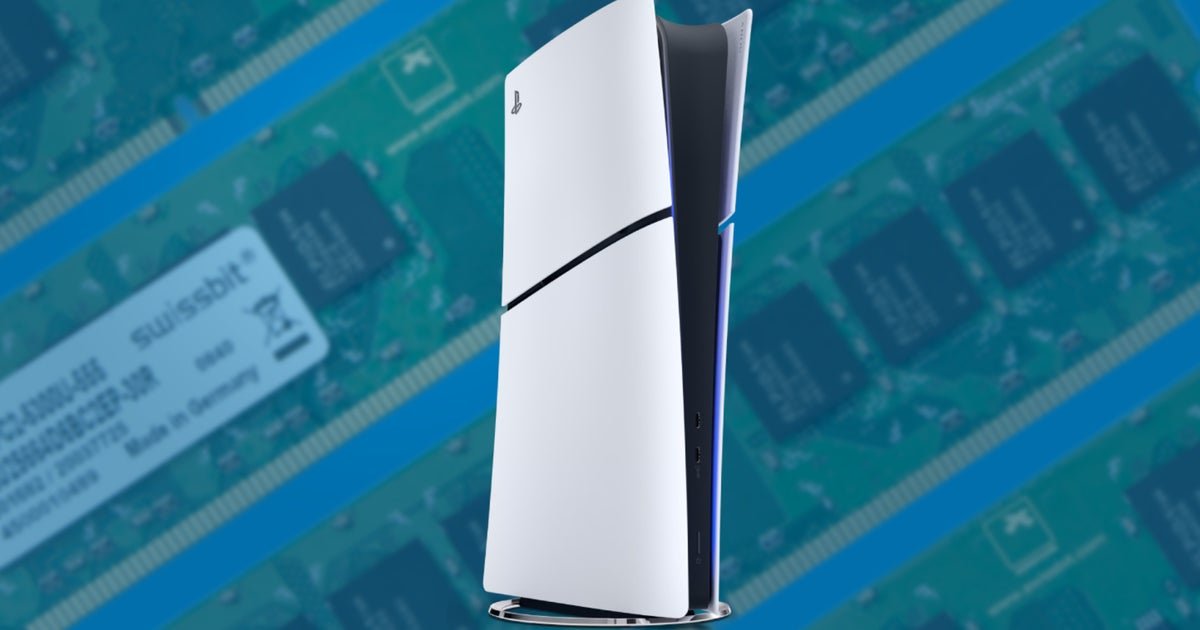
US console market figures have fallen to lows not seen in years. According to data presented by Mat Piscatella, an analyst at market research firm Circana, Xbox hardware sales in the country declined by 33% year over year. The number of PlayStation consoles sold over the same period was 25% lower.
These results for January through August 2026 represent an all-time low for Xbox hardware in the US. PlayStation recorded its weakest figure since 2013. Piscatella views the current situation as particularly serious, saying that the US gaming hardware market has not been this vulnerable since the early 1980s.
Average console prices in the US reach record highs
The analyst links the sales decline to rising console prices. From the beginning of 2026 through the end of August, US consumers paid an average of $529 for a new Xbox console. That is 26% more than a year earlier and the highest average Xbox price ever recorded in this market.
The average price of a PlayStation console sold reached $597, an increase of 20% year over year. This is also a new record for the US market. These figures represent the average amount consumers paid for new consoles, rather than the price of any one specific console model.
The higher average prices were accompanied by a 33% decline in Xbox hardware sales and a 25% drop in the number of PlayStation consoles sold. Piscatella said that consumers’ sensitivity to prices is becoming a genuine problem for the market.
The comparison with the early 1980s is not a prediction of a market crash
Piscatella’s historical comparison is significant because the US video game market experienced a major crash in the early 1980s. However, the analyst is not claiming that the current situation will necessarily end in the same way. His assessment describes the hardware market’s present vulnerability, reflected in declining results and record-high average prices.
The Xbox and PlayStation data are also not presented using exactly the same metrics. For Xbox, the figure refers to a 33% decline in hardware sales, while for PlayStation it refers to a 25% reduction in the number of console units sold. These percentages should therefore not be combined into a single overall sales figure for the two manufacturers.
AI data centers are driving demand for memory components
PS5 and Xbox Series X/S consoles now cost more than they used to in many markets. The source identifies demand for memory components as one of the main reasons behind these price increases, with AI data centers consuming a large share of them. Consumer electronics manufacturers are competing for the same components.
The price increases are not limited to Sony and Microsoft devices. Prices have risen across various consumer electronics categories over the past several years. The prices of PS5, Switch 2 and Xbox Series X/S consoles have also been increased, in some cases more than once.
The availability of memory components could affect not only pricing but also console production volumes. If a large share of RAM components is allocated to AI data centers, Microsoft and Sony may be unable to manufacture as many consoles as they could sell. This is presented as a potential risk, not confirmation that either company has already encountered a specific console shortage.
The component shortage is not expected to end soon
Micron’s CEO warned that the shortage of memory components is expected to continue until at least 2028. This forecast means that console manufacturers may have to operate for some time in a market where the expansion of AI infrastructure is placing significant pressure on memory supply.
Xbox executive Asha Sharma previously discussed the rising costs as well. According to her, the company paid more than twice as much for console storage components in February as it had the previous autumn. Those costs later doubled again.
Another significant increase is expected when planning for the 2027 holiday season, which would push the prices of these components to more than five times the amount paid two years earlier. This comparison refers to the component acquisition prices paid by Xbox, not the final console price charged to consumers. Nevertheless, such a surge in component costs could explain why hardware manufacturers are finding it increasingly difficult to reduce retail prices.
GTA 6 could ease the decline, but its impact will depend on pricing and availability
The release of GTA 6, which was expected the following month when the source was published, is regarded as one possible boost for the console market. Piscatella did not rule out the possibility that the launch of a game on this scale could at least partially soften the current decline in console sales.
According to the analyst, GTA 6’s potential impact will depend on console prices and availability. The game’s release is therefore described as a possible source of support for the hardware market, rather than a guaranteed turning point for the current results.