
 LT
 DE
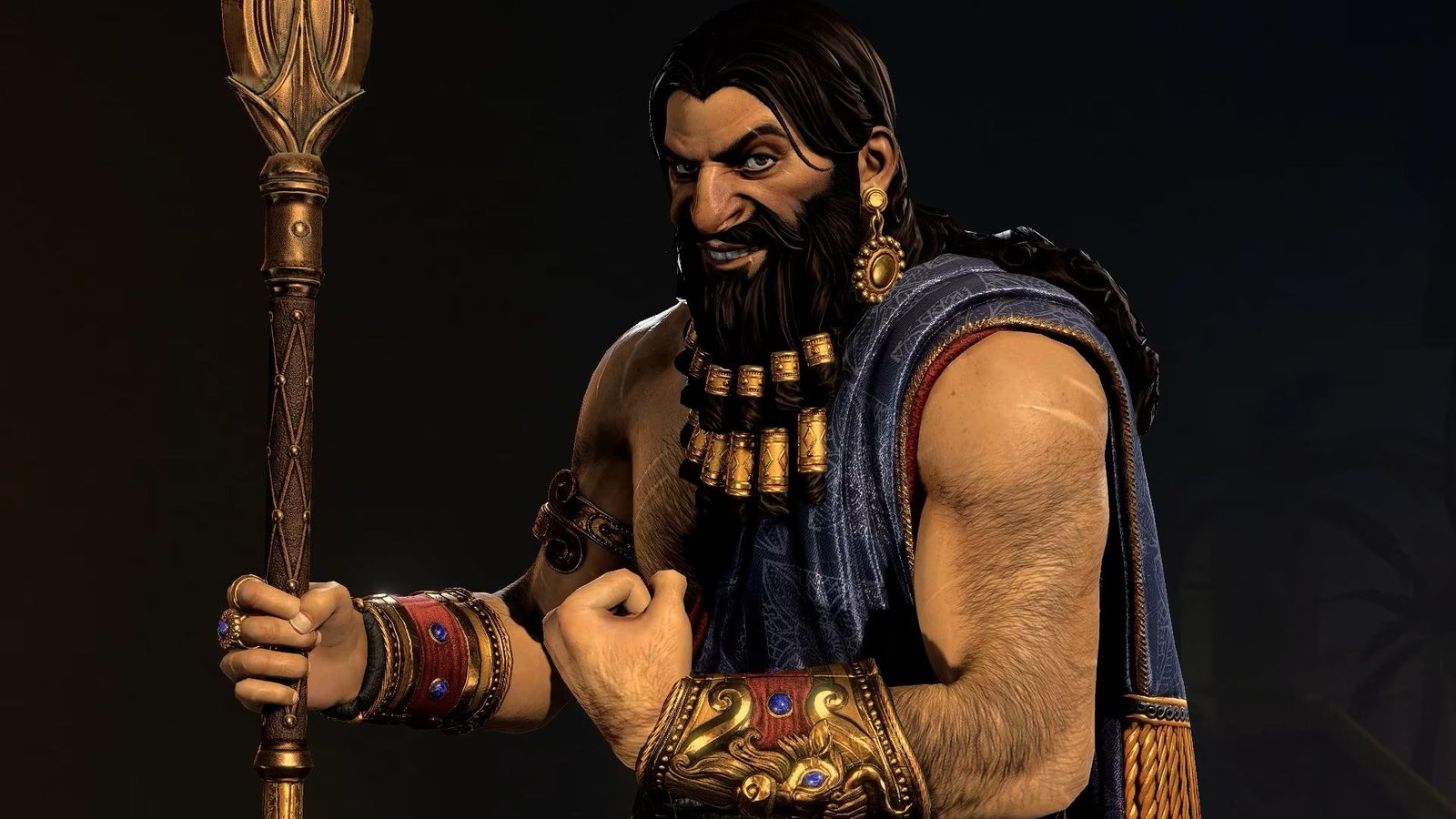
Firaxis has fundamentally changed one of Civilization 7’s most important rules. The game launched with a system that required players to switch from one civilization to another over the course of a single campaign, but following the “Test of Time” update, they can once again keep their chosen civilization. Changing with each new Age is now optional, while the traditional single-civilization mode has also returned.
In the original version of the game, switching civilizations was tied to advancing into a new Age. As a result, the state controlled by the player adopted different civilizational identities over the course of a campaign. This represented a major change to the formula of the long-running 4X strategy series: some of the audience welcomed the new system, but other players did not want to give up the ability to play an entire campaign with the same civilization.
“Test of Time” has not removed the original idea from the game. Instead, the update offers a choice: players can use the system of changing Ages and civilizations created for Civilization 7, or select one civilization and continue its story until the end of the campaign.
Firaxis had to revisit its original vision for the game
The decision to bring back a single-civilization mode was not an easy one for the studio. The developers discussed it in Polygon’s oral history of the Civilization series, which explores the development of individual entries through accounts from the people who worked on them.
Civilization 7 creative director Ed Beach admitted that “Test of Time” was a personally challenging update for him. The option to play an entire campaign as one chosen civilization was not part of the project’s original concept, as the seventh entry in the series had been designed from the outset around switching civilizations across different Ages.
Nevertheless, players’ expectations became clear enough for Firaxis to decide that it needed to change course. According to Beach, many fans wanted to begin with a particular people and continue that group’s story throughout the entire campaign. The creative director agreed that Civilization 7 did not properly support this style of play at launch, so it needed to be implemented.
Executive producer Dennis Shirk described the audience response as polarized. According to him, the new direction was particularly difficult for some longtime fans to accept, including players who had been with the series since the first Civilization. For these players, it was important to be able to choose one civilization and keep it until the end of the campaign.
Why switching civilizations became a central system in the seventh game
The original decision was not a random experiment. Its roots lay in series creator Sid Meier’s longstanding dissatisfaction with how earlier games presented the distinctiveness of individual civilizations. A chosen civilization would often have abilities and advantages associated with a specific historical period, but its unique identity became less noticeable during other stages of history.
Meier was frustrated that a civilization would have clearly defined unique traits during only one period, while appearing far more generic throughout the rest of the game. Switching civilizations when moving into a new Age was intended to give players new distinctive abilities and preserve the uniqueness of their choices throughout history.
For Beach, this idea became one of the core creative principles behind Civilization 7. Speaking as a history enthusiast, he emphasized the long chain of origins and connections between civilizations. Among his examples, the creative director mentioned Rome, Greece, and the civilizations of Africa and Mesoamerica, while highlighting their distinct historical identities.
From this perspective, changing civilizations within a single campaign was intended to solve more than just a mechanical problem. The developers wanted the player’s choice to have its own defining characteristics at every stage of history, rather than leaving a civilization with its most important advantages tied to only one period. That is precisely why returning to the traditional mode represented a departure from one of the original concept’s most important elements for Beach.
“Test of Time” was shaped by feedback gathered through public workshops
While changing the game’s structure, Firaxis adopted a different approach to working with the community. Unlike during the development of the base version of Civilization 7, the studio held several public workshops while preparing “Test of Time.” The feedback gathered during those sessions was used to shape the update.
Beach viewed this process positively. According to the creative director, the studio wants to continue maintaining this kind of relationship with fans and to organize more public workshops if needed. Their use was therefore not presented merely as a one-off measure intended specifically for the situation surrounding “Test of Time.”
The creative director also said he expected the update to be received positively because its direction had been refined through the workshops. This was one of the main differences between the base game and the changes made later: this time, the studio shaped its decisions using feedback gathered directly from participants.
Overall reception of Civilization 7 remains mixed
Firaxis itself appears to view “Test of Time” as a successful step, but the broader perception of Civilization 7 has not changed significantly. The game’s user reviews on Steam remain mixed.
Shirk acknowledged that the studio’s desire to make bold changes to the formula went too far in some areas. Although the major changes were intended to give the audience a new experience, the executive producer believes Civilization 7 demonstrated that such decisions can cross the line of what players are willing to accept.
That acknowledgment does not mean Firaxis is completely abandoning the ideas created for the seventh installment. With “Test of Time,” the studio retained civilization switching while also providing the traditional option alongside it. This allows players who enjoy the original system to continue using it, without forcing it on those who prefer a single-civilization mode.
The next update is being timed to coincide with the release of “Earthrise”
Firaxis is continuing to work on Civilization 7. The game’s next update is being prepared to coincide with the release of its first DLC, “Earthrise.” The source does not provide specific details about what the upcoming update will include.
The studio’s stated goal is to continue offering innovations to a new audience while also rekindling the interest of longtime series players and encouraging them to take another look at the seventh installment. “Test of Time” became a response to the mismatch between the original vision for Civilization 7 and the expectations of some fans, but the mixed Steam reviews suggest that this change alone has not significantly altered the game’s overall reception.