
 LT
LT
 DE
DE
Today’s daily gaming news revolves around two very different sides of the industry: creative vision and commercial reality. On one side, developers are trying to turn comedy into a meaningful gameplay mechanic. On the other, studio decisions remind us that the future of a project often depends not only on ideas, but also on team structure, funding and production resources.
In this February 13, 2026 roundup, we focus on four major stories: a new look at the design philosophy behind High On Life 2, an official Rainbow Six Siege 1v1 competition, restructuring at 10 Chambers and another reminder that the Diablo 3 community remains highly active. Below is a clearly organised overview of what these developments could mean for players over the coming months.

High On Life 2: When Comedy Becomes a Gameplay Mechanic
What We Know About High On Life 2
Developer commentary reveals a clear creative direction for High On Life 2. The team wants comedy to become more than dialogue layered on top of the gameplay. Instead, humour is intended to feel like an organic part of the experience, emerging not only from character conversations but also from player actions, tactical choices and reactions to unexpected situations.
This approach to comedy in video games is more difficult than it may initially appear. Comedy often depends on timing and surprise, but players can disrupt that timing by stopping, repeating scenes or experimenting with the environment. Turning something that is simply funny into something that is also enjoyable to play requires more than a strong script. It requires systems that support improvisation and missions that reward curiosity rather than punishing it.
What This Means for Players
For players, this approach could deliver one particularly practical benefit: greater replay value. If the funniest moments are created through situations and interactions rather than fixed story scenes, a second playthrough may still feel fresh and unpredictable.
This is especially relevant for modern games that many players experience as a collection of shorter sessions. They may play for a limited time, return after a break and share unusual moments or short clips online. A flexible comedy system could help High On Life 2 generate more memorable and shareable gameplay moments.
What to Expect Next
If the developers continue in this direction, two areas will be particularly important. The first is the variety of humour, as relying too heavily on one comedic style could make the experience repetitive. The second is localisation, especially the quality and timing of subtitles.
Small details are critical in comedy. For players across Europe and other regions, translated dialogue must remain natural and understandable even when the screen is filled with chaotic action. Poorly timed or overly literal subtitles could easily weaken jokes that work well in the original English version.
Daily Gaming News: Rainbow Six Siege Launches an Official 1v1 Challenge
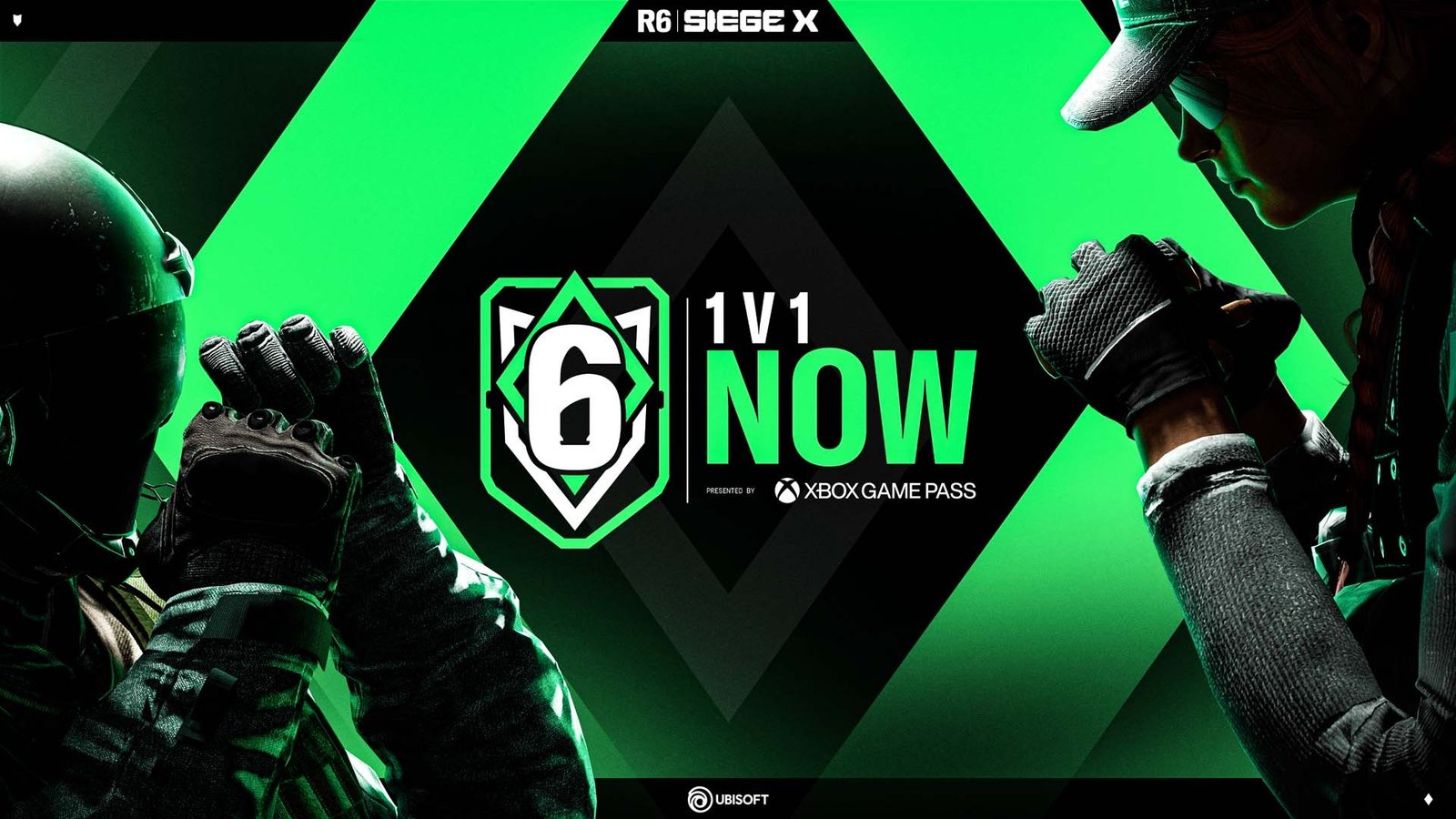
The 1v1 format changes both the tactics and the responsibility because every decision is in your hands. • Source: news.xbox.com
What We Know
An official 1v1 competition has been announced within the Rainbow Six Siege ecosystem as part of an Xbox Game Pass initiative. The fact that 1v1 is being promoted as an official competitive format is notable because Siege is traditionally known as a team-based tactical shooter built around communication, information and coordinated strategies.
A 1v1 format completely changes those priorities. Without teammates, every decision becomes the player’s personal responsibility. Operator selection, sound awareness, positioning and time management become questions of both tactics and psychology.
These competitions often appeal to players looking for a more direct comparison of individual skill. There is no team to blame for a mistake or credit for a victory, meaning the outcome depends entirely on the performance of one player.
What the Rainbow Six Siege 1v1 Format Means for Players
In practical terms, the format could become a useful entry point for players who dislike the pressure of team-based matches or do not want to search for a permanent group. An official event usually provides clearer rules, greater visibility and more reasons to participate.
Those incentives could include community recognition, prizes or exclusive cosmetic items, depending on the final rules of the competition. Even without significant rewards, an official 1v1 event gives players a structured environment in which to test their mechanical skills and tactical decision-making.
What to Expect Next
If the format proves successful, 1v1 competition could return in several forms. Possible options include seasonal mini-leagues, themed weekend tournaments or integration into broader community events.
It will also be important to see how the organisers address competitive fairness. Connection stability, smurf accounts and consistent rules across different platforms could determine whether the format develops into a long-term part of the Rainbow Six Siege community or remains a temporary experiment.
10 Chambers and Den of Wolves: Restructuring, Layoffs and Development Risks
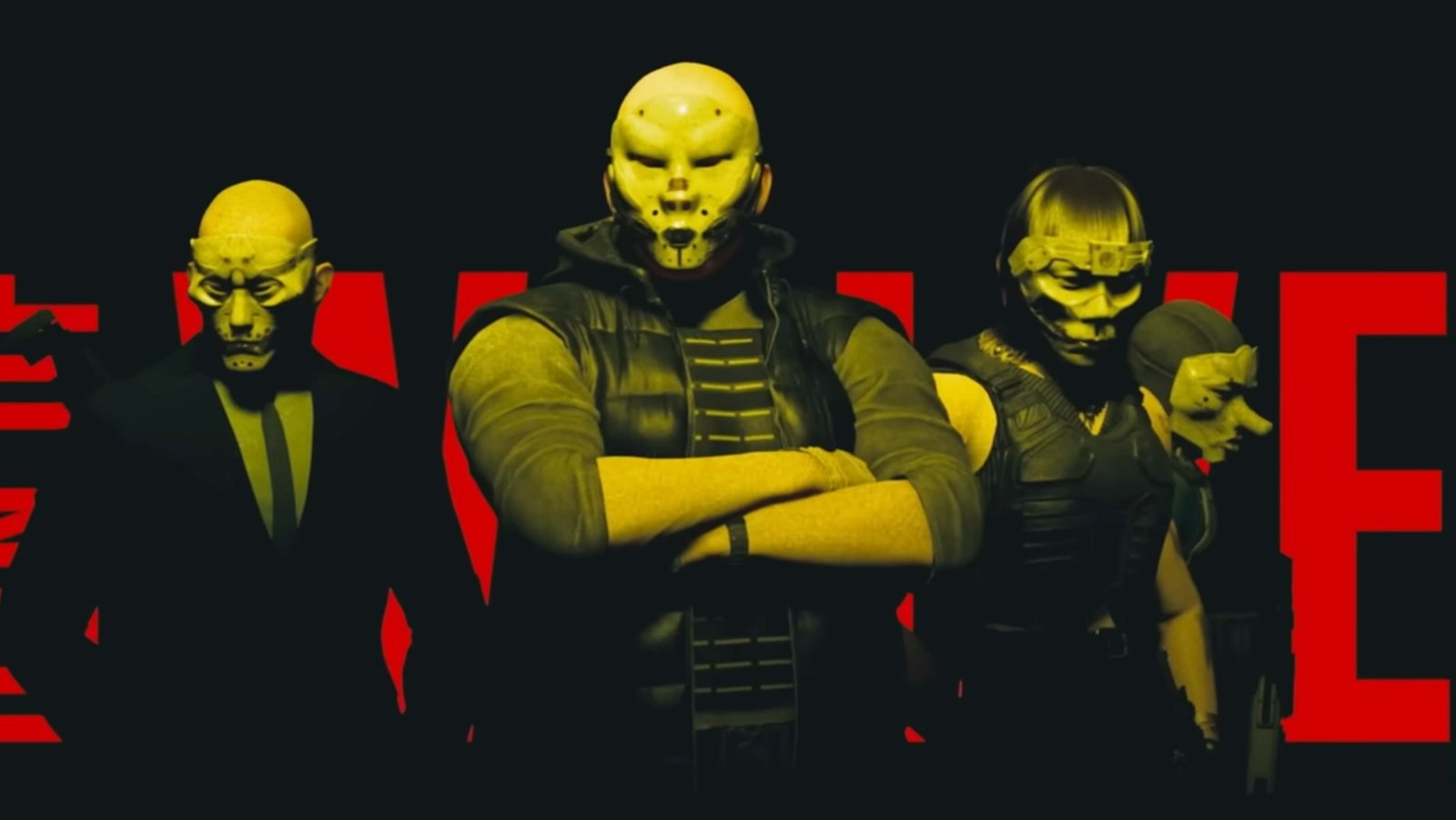
Major team changes often lead to revised plans, reduced scope and increased schedule risks. • Source: pcgamer.com
What We Know
10 Chambers has announced significant restructuring and layoffs, reportedly affecting several of the studio’s co-founders. At the same time, the company maintains that the remaining development team is still committed to completing Den of Wolves.
Statements like this are common throughout the gaming industry. Studios try to preserve confidence in an upcoming project while also acknowledging that resources, responsibilities and production plans must be reorganised.
It is important to understand the wider context. Development teams frequently change as large games move from prototyping into full production or when funding plans are revised. However, layoffs that affect senior leadership usually indicate more than a minor organisational adjustment.
These changes can signal a new strategic direction, reduced project scope, altered priorities or a revised production schedule. Even when development continues, the game that eventually reaches players may differ significantly from the original plan.
What This Means for Players
For players, restructuring usually means increased uncertainty surrounding the release schedule and the final amount of content. Even if Den of Wolves remains officially in development, internal changes could lead to slower communication, fewer public demonstrations and more cautious marketing.
This part of today’s daily gaming news is also a reminder that players should pay attention to consistency rather than the reassuring tone of official statements. The most important question is whether the studio continues to demonstrate measurable progress or simply repeats general promises that development is continuing.
What to Expect Next
More information may soon reveal how the structure of the project is changing. It remains unclear whether the restructuring affects only internal processes or also the overall scope and design of Den of Wolves.
Future milestones such as a closed playtest, a larger gameplay presentation or confirmed early access plans would be positive indicators. They would suggest that the remaining team has established a clear path forward despite the organisational changes.
Blizzard Explains Why Diablo 3 Still Has a Large Audience
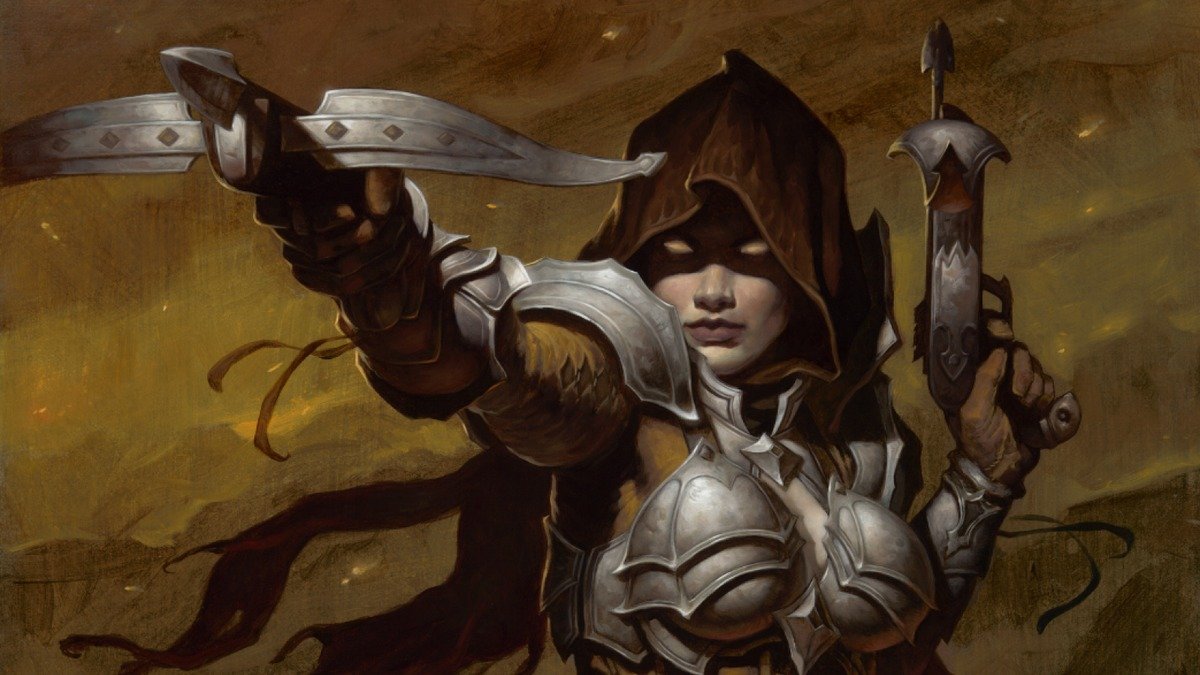
Even alongside newer Diablo games, Diablo 3 continues to attract a stable audience of returning players. • Source: eurogamer.net
What We Know
Blizzard has highlighted that a very large number of people still play Diablo 3, describing its audience as being measured in the millions. This is an interesting statement because public attention often appears to move automatically towards the newest game in a franchise.
In reality, action RPGs can maintain long and active life cycles. Players return for seasonal content, familiar progression systems or simple convenience. Diablo 3 is stable, easy to understand and familiar, making it an attractive option even alongside newer games.
Community momentum is another important reason for the game’s longevity. After many years, players have developed familiar builds, habits and groups of friends. Moving to another game is not always as simple as it might appear.
Newer titles may offer more modern systems, but they can also require more time to understand. By comparison, Diablo 3 can act as a comfort game in which a single evening session produces clear and satisfying progress.
What This Means for Diablo 3 Players
For players, Blizzard’s position suggests continuity. The likelihood of stable servers, recurring seasonal cycles and ongoing maintenance increases when a game continues to generate significant activity.
This daily gaming news story also sends an important psychological signal. When a developer publicly acknowledges that a game still has a substantial audience, it becomes less likely that the project will be quietly abandoned or left without essential support.
What to Expect Next
Players should watch for more specific initiatives, including community events, quality-of-life improvements and smaller convenience updates. Even without another major expansion, clearer communication about the direction of future seasons could strengthen player confidence.
This would be particularly useful for people who play action RPGs in waves, returning for the beginning of a new season before moving on to other games.
Conclusion
Today’s stories reflect the full range of the video game industry, from creative ambition and experimental competitive formats to difficult business decisions and long-lasting communities.
Daily gaming news provides more than a collection of separate headlines. It also reveals wider trends: how game design is changing, which competitive formats are becoming more popular and why some titles remain relevant for much longer than social media attention cycles might suggest.
The next developments will be worth following closely. Players will want to know whether 1v1 becomes a permanent Rainbow Six Siege format, how production on Den of Wolves stabilises and whether High On Life 2 can fulfil its promise of turning comedy into genuinely entertaining gameplay.