
 LT
LT
 DE
DE
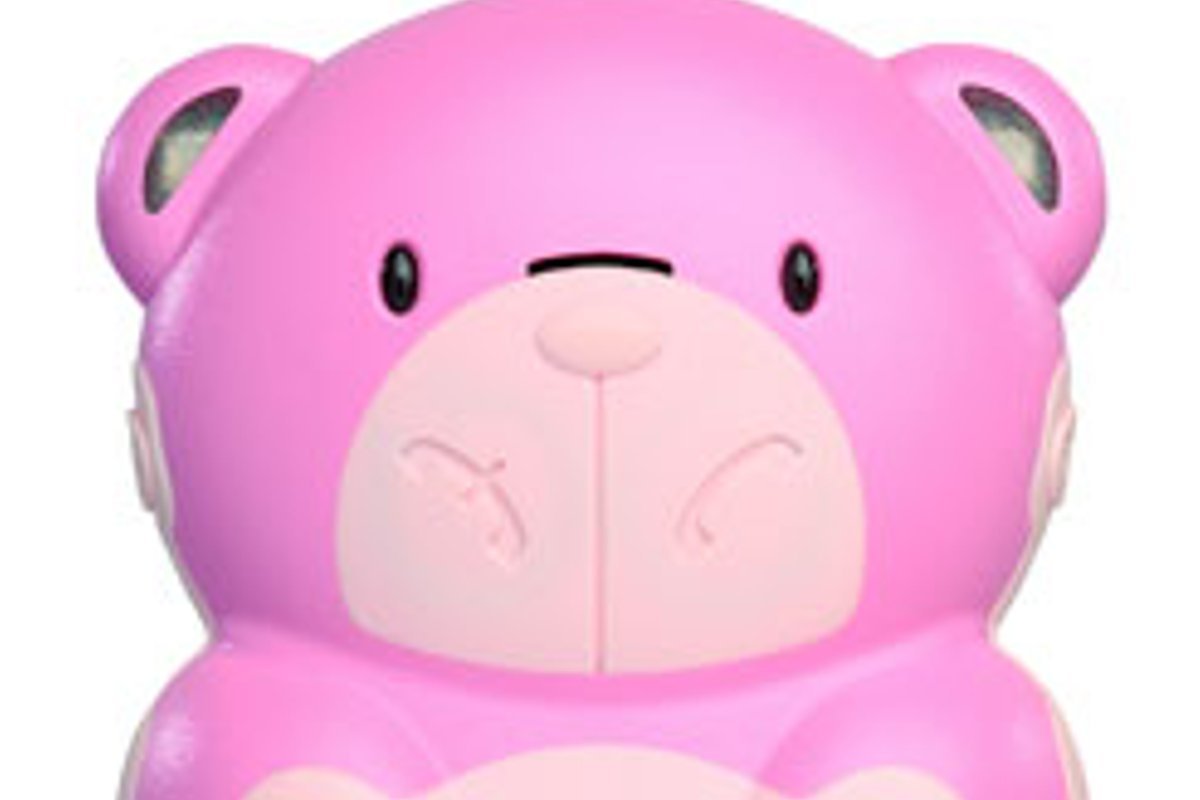
Meškafonas is one of those devices that instantly brings back memories of 2007–2009. It was a child-friendly mobile phone shaped like a teddy bear, designed to help children contact their parents quickly and easily. At the time, smartphones were not yet part of everyday childhood, while “parental controls” usually meant choosing the simplest possible device with clear limitations rather than installing an app. That is why Meškafonas became a practical compromise for many Lithuanian families: minimal features, fewer risks and greater peace of mind.
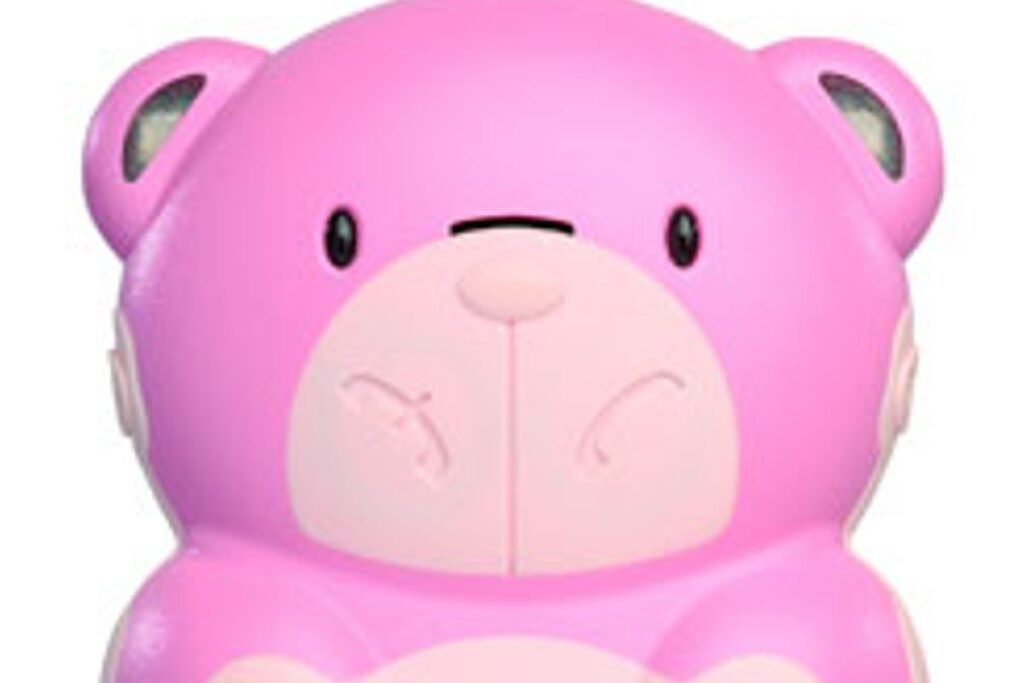
What Was Meškafonas?
In Lithuania, the word Meškafonas became widely recognised as the name of a mobile phone designed specifically for children. It is most commonly associated with a Tele2 offer aimed at children and their parents: a phone made for small hands, with extremely simple controls and a limited set of functions.
The name eventually became more than the title of one particular product or mobile plan. Many people began using Meškafonas as a general term for any child-friendly teddy bear phone or similarly simple mobile device created for young users.
The idea behind Meškafonas was very clear. A child did not need internet access, apps, games, complicated menus or a large screen. They needed one essential feature: the ability to call their family. This philosophy may seem slightly retro today, but at the time it provided a practical answer to a genuine concern shared by many parents.
Why Was Meškafonas So Popular in Lithuania?
During that period, many parents were facing the question of when they should give their child their first mobile phone. On the one hand, they wanted their child to be able to call after school, from an extracurricular activity or when they became lost. On the other hand, there were concerns that a regular mobile phone could introduce too many distractions and unnecessary risks.
Parents worried about accidental calls, unexpected costs, premium services, paid ringtones and, later, increasing amounts of screen time. Meškafonas offered a simpler alternative because it:
- was designed specifically for children and therefore appeared safer;
- had clear limits controlled by parents;
- was simple enough that children did not need to learn complicated controls;
- gave parents peace of mind because their child could contact family members when necessary.
How Did Meškafonas Work?
The main strength of Meškafonas was its simplicity. It was designed so that children did not have to wonder which menu to open or which buttons to press. Parents could also be confident that their child would only communicate with approved contacts.
Calls to Pre-Approved Numbers Only
One of the most important Meškafonas features was the ability to call only pre-approved phone numbers. This system was intended to ensure that:
- children could not call strangers;
- accidental calls and text messages were reduced;
- choosing the correct person to call remained simple.
The phone is commonly described as supporting up to four selected numbers, such as the child’s mother, father, grandmother and grandfather. The child simply pressed the corresponding button, and the device automatically started the call.
The Meškafonas SOS Function
Meškafonas was frequently advertised as a device that could help children during an emergency. An integrated SOS function allowed a single button press to send an urgent alert to parents or start a predefined sequence of actions.
The principle was deliberately simple. If a child became frightened, got lost or encountered another problem, they did not need to search for a contact, enter a number or navigate through menus. One action was enough to request help.
Parental Settings and Remote Controls
The main controls of Meškafonas were effectively placed in the hands of the parents. Phone numbers and certain functions could be configured in a way that prevented the child from changing them.
Some settings were managed through simple procedures that seemed relatively advanced at the time, including SMS commands. This was convenient for parents because they did not have to physically access and navigate the child’s phone every time they wanted to adjust a setting.
A Minimalist Phone Without Unnecessary Features
The Meškafonas concept generally meant:
- no internet access;
- no complicated menus;
- no apps;
- no games, or only extremely limited entertainment features depending on the exact model;
- simple and child-friendly controls.
Some people viewed the phone as little more than a toy. For parents, however, its limited functionality was an advantage: fewer features meant fewer potential problems.
Battery Life and Everyday Convenience
Battery life was a highly practical concern. The phone needed to operate for several days because children could not always be expected to remember to charge it every evening.
Meškafonas marketing therefore emphasised standby time. Some descriptions also mentioned that parents could receive a notification when the battery was running low. This mattered because a discharged phone meant losing the reliable connection that gave parents peace of mind.
Was Meškafonas One Specific Phone?
In everyday Lithuanian speech, Meškafonas often became a generic product name. People used the term to describe:
- the specific product and mobile offer remembered from operator advertisements and retail stores;
- similar children’s phones that were available on the market during the same period.
Other toy-like phones for children were also discussed in Lithuania at the time. Some included small screens, number buttons or even SMS functionality. However, the main idea of Meškafonas remained clear in the public memory: it was a child’s phone designed primarily for calling parents.
Advantages of Meškafonas
1. Extremely Simple for Children
Children did not need to learn how to enter phone numbers, search through contacts or understand complicated menus. One button represented one trusted person.
2. Fewer Risks and Unexpected Costs
When a phone does not include every possible feature, there is less chance that a child will:
- call someone accidentally;
- subscribe to a paid service;
- access unsuitable content or features that could later cause arguments at home.
3. Greater Peace of Mind for Parents
This was the main reason why Meškafonas became so popular. Parents only needed to know one thing: their child could contact trusted family members whenever necessary.
4. A Practical First Mobile Phone
For many families, Meškafonas represented a transitional stage between believing that a child did not need a phone and giving them a full smartphone. It taught children the basic purpose of mobile communication without exposing them to an extensive digital environment.
Disadvantages of Meškafonas
Although Meškafonas now has a strong nostalgic appeal, devices of this type also had several practical disadvantages.
1. Very Limited Functionality
Once a child needed additional features, such as sending a text message or contacting a teacher or activity leader, the Meškafonas concept could become too restrictive.
2. Durability and Build Quality Concerns
Devices made for children are frequently dropped, knocked against objects and carried loosely inside school bags. For some users, Meškafonas may therefore have become associated with limited durability or less impressive build quality.
3. Dependence on Specific Mobile Plans and Services
Some children’s phones were connected to particular mobile plans, service conditions or operator-specific solutions. As the market changed, these offers disappeared, the phones were removed from stores and repairing an old device gradually became impractical.
What Replaced Meškafonas Today?
If Meškafonas was a parental-control solution created before smartphones became common, three main alternatives have now taken its place.
Children’s Smartwatches With GPS and Calling
A children’s smartwatch is perhaps the closest modern equivalent to Meškafonas. These devices usually allow calls only from approved contacts, often include an SOS button and may provide GPS location tracking.
Smartphones With Parental Controls
Parents can now manage apps, screen time, content restrictions and sometimes even approved contacts. The basic Meškafonas idea has therefore moved from dedicated hardware into software-based parental-control systems.
Simple Feature Phones
Some parents still choose an inexpensive phone with physical buttons and establish their own rules. These devices can be used without internet access and limited to calls and text messages.
Is Meškafonas Still Relevant Today?
If the question is whether an original Meškafonas is still suitable for a child today, the practical answer is probably no. Working devices are difficult to find, old batteries may no longer be reliable and mobile technology has changed significantly since the late 2000s.
However, if the question is whether Meškafonas remains interesting as part of technology history, the answer is yes. It is one of the clearest examples of how a simple product can become culturally memorable because it was built around one specific and easily understood purpose.
Meškafonas was not designed to be a phone for every possible task. It was a phone created for one reason: maintaining communication between a child and their parents. That focused purpose is exactly why so many people still remember it.
Meškafonas: A Short Summary
Meškafonas was a children’s mobile phone that became popular in Lithuania as a simple communication solution for families. Its defining feature was minimalism: children could call only trusted contacts, parents had greater control and peace of mind, and the device had a friendly teddy bear design created specifically for young users.
Today, the role once performed by Meškafonas has largely been taken over by children’s GPS smartwatches and smartphones with parental controls. Nevertheless, as a symbol of technology nostalgia and unusual Lithuanian gadgets, Meškafonas remains one of the most memorable children’s devices of its era.
To discover more unusual and interesting technology stories, visit our interesting technology section.
Source: https://tele2.lt/privatiems/naujienos/tele2-vaikams-ir-tevams-siulo-kalbetis-meskafonu