
 LT
LT
 DE
DE
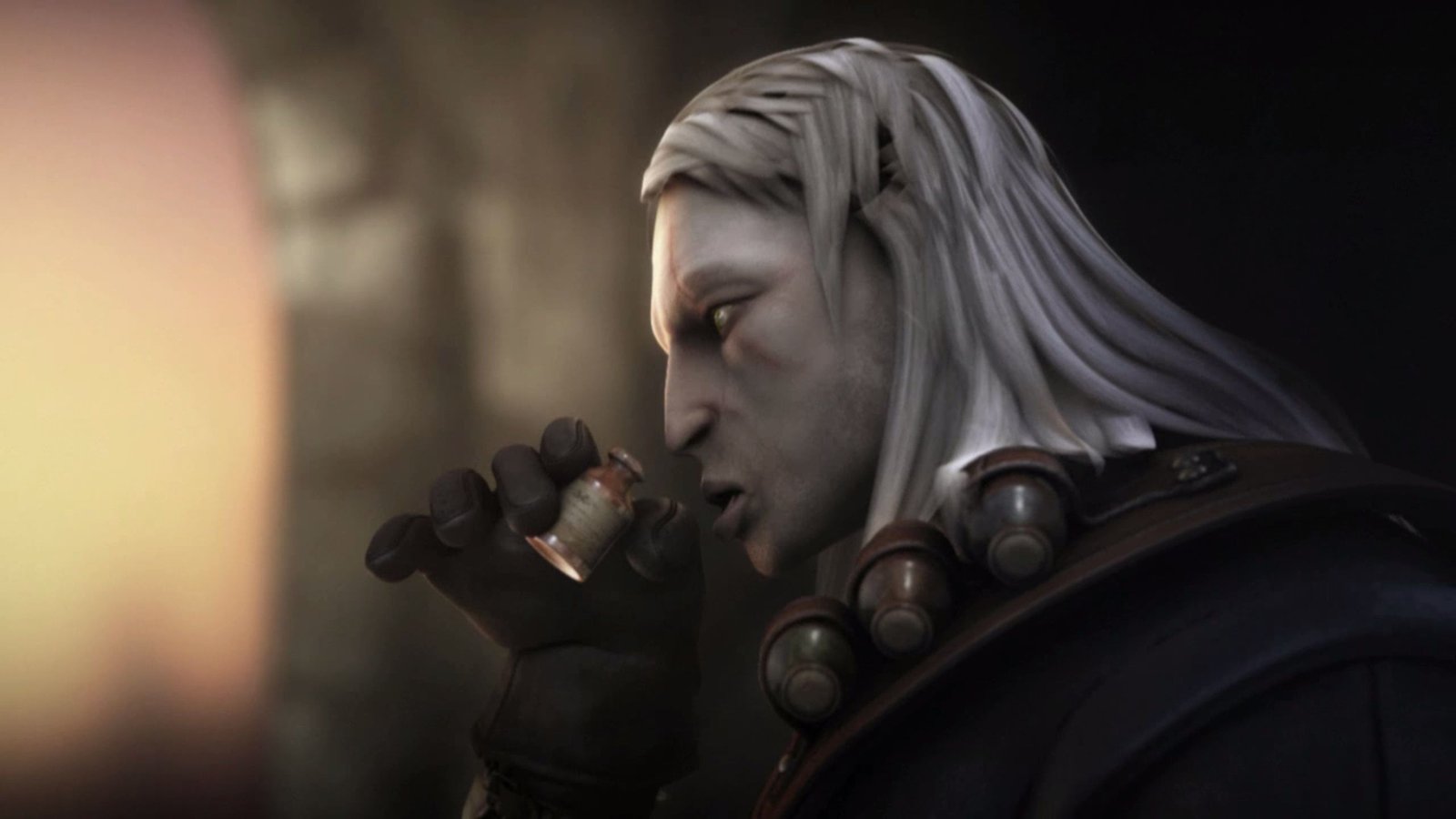
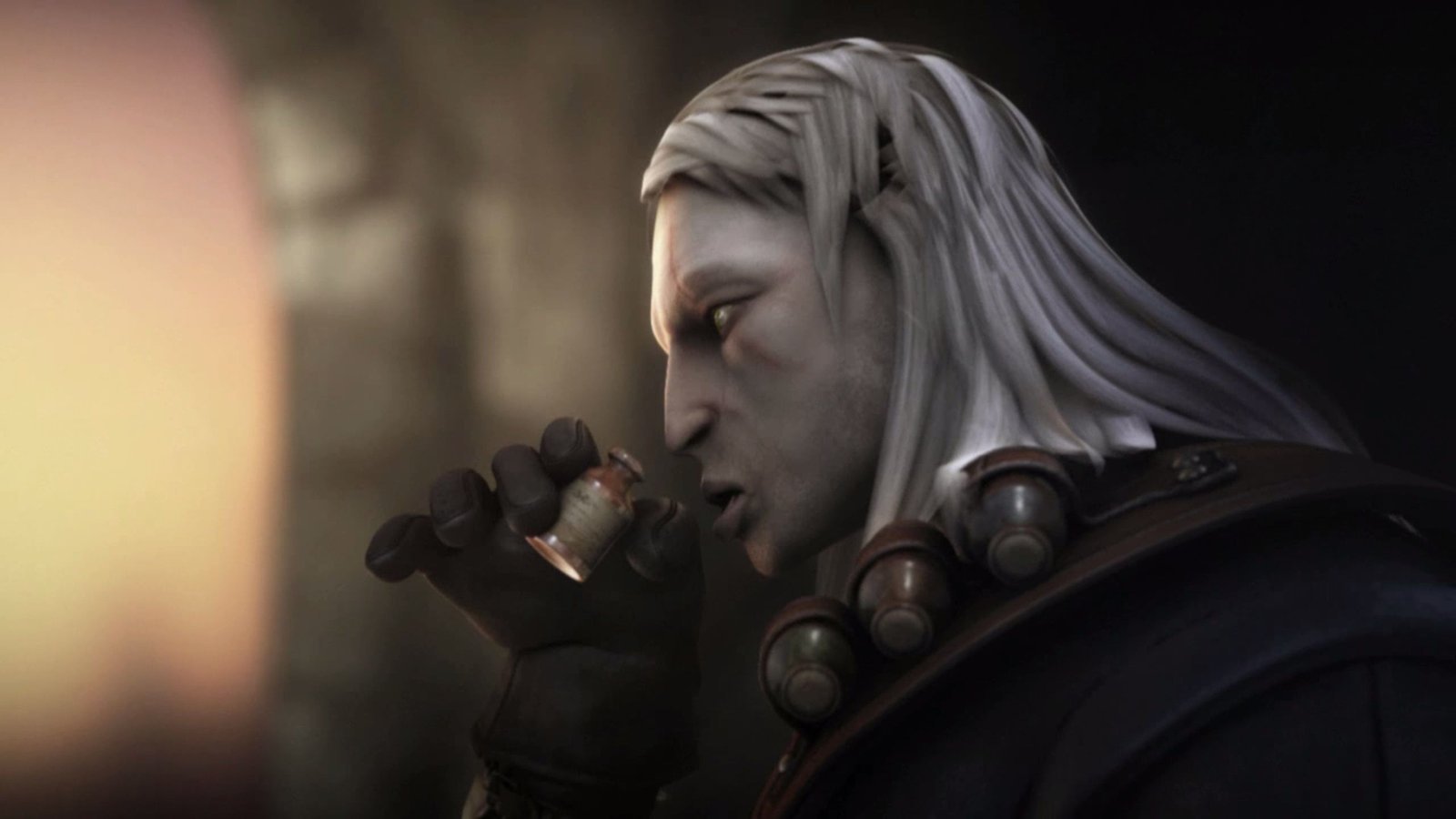
An old but fascinating debate has returned among fans: why The Witcher ending was a mistake and whether it effectively locked the entire series into a particular direction for its sequel. Artur Ganszyniec, one of the original game’s writers and story leads, has now commented on the issue. According to him, the final surprise twist was not created in the way many fans might imagine. More importantly, it later became a burden that The Witcher 2 had to carry throughout its central storyline.
Why The Witcher Ending Was a Mistake: What the Former Story Lead Said
The main point of the news is simple but striking. According to Ganszyniec, the flashy ending scene in the original The Witcher was created with very limited involvement from the main story team. The moment was designed to be dramatic and cinematic, but it was not developed organically as part of the wider narrative process.
In other words, the final hook intended to make players excited about a sequel was not something that had naturally grown out of the story being told throughout the rest of the game.
The most important issue was the consequence of that decision. Ganszyniec explained that the unexpected ending forced the sequel in a direction that did not necessarily feel natural to everyone involved. Instead of allowing the second game to focus freely on Geralt’s personal journey, the story team had to fulfil a narrative obligation created by the original ending.
As a result, The Witcher 2 became a story about witchers who were, for some reason, assassinating kings. His comment does not necessarily express dislike for The Witcher 2. It sounds more like a creative lesson: one decision made at the end of a game can determine what the entire sequel is forced to explore.
What Was the Ending Twist and Why Is It Still Controversial?
The ending of the original The Witcher was memorable not only as the conclusion to a long series of choices, but also as a clear message that the story was not over. Sequel hooks are common in video games, especially when developers hope to continue a franchise but do not yet know whether the budget, team size or publisher support will make another game possible.
However, there is an important difference between two types of sequel hooks. The first develops naturally from the themes of the story and leaves space for the future. A new political crisis may begin, for example, while the central character remains at the heart of the narrative.
The second type introduces a new piece onto the board without properly preparing it. When that happens, the sequel must quickly reorganise the entire story in order to fulfil the promise created by the final scene.
This context explains why players immediately understand the debate over why The Witcher ending was a mistake. The series has always had a strong identity. It is an RPG focused on characters, moral compromises, personal tragedies and the political consequences of difficult decisions.
When a final twist feels more like a thriller device than the natural result of the story, some players may view it as something that does not fully belong, even if the sequel it eventually inspired was still well received.
Behind the Scenes: What Happens When the Story Team Does Not Control the Ending?
One of the most interesting aspects of this story is not simply the description of the ending as a mistake, but the process through which such mistakes can happen. Video game development is rarely comparable to a novel written by one author.
A final scene may be created for many different reasons. It could result from marketing demands, an internal desire to create a memorable surprise, a management decision to add a sequel hook, technical limitations or a lack of development time.
When the main narrative team is not fully involved in the final decision, the ending can become disconnected from the rest of the story. Players may not notice the problem immediately. The scene might look impressive, create shock and generate discussion across forums and social media.
The real difficulty appears later. A sequel with its own creative vision must connect this isolated narrative idea to the rest of the world. That often leads to compromises. Characters may need to be rewritten, motivations created retrospectively and the political logic expanded so that it can support the sequel hook introduced at the end of the previous game.
This is why comments like Ganszyniec’s are valuable not only to fans but also to anyone interested in game design. Behind-the-scenes stories show that even games later considered classics were created with weaknesses, inconsistencies and creative debts.
The point is not that one scene ruined the entire franchise. The lesson is that a last-minute ending can create years of additional work for every future project connected to it.
How The Witcher Ending Pushed The Witcher 2 Towards the Kingslayer Story
Players often remember The Witcher 2 as a mature and politically complex RPG in which major decisions open completely different branches of the story. However, the new comments suggest that its original direction might have been very different if the first game had ended in another way.
When a sequel must immediately explain a surprising moment involving an assassination attempt, it naturally moves towards a wider conspiracy, geopolitical conflict and the world surrounding kings and rulers.
It is important to understand why such a direction can create creative tension. The strength of many Witcher stories lies in their personal focus. Geralt becomes involved in major conflicts, but he is usually presented as a man, or witcher, trying to remain himself in a world that constantly pressures him to choose a side.
When a sequel must serve the premise of kingslayers, there is a risk that Geralt becomes a tool used to move the larger plot forward. Ideally, the political storyline should instead function as a way of revealing more about Geralt and his choices.
Of course, many fans enjoy exactly this larger scale. Political intrigue, armies, diplomatic tensions, competing factions and power struggles became some of the defining qualities of The Witcher 2.
Ganszyniec’s point, as presented in the report, concerns the forced starting position. The sequel did not necessarily begin with the story the team most wanted to tell. It began with the problem that the developers were already required to resolve.
In this context, the phrase why The Witcher ending was a mistake has a very specific meaning. The mistake was not necessarily that the ending was badly written or uninteresting. It was a mistake because it reduced the creative freedom available to the sequel and forced the story to adapt to one decision made late in development.
What This Means for Players and Future Witcher Games
The timing of this discussion is particularly relevant because the Witcher franchise is once again active across several formats. Some players are returning to the older games, others are waiting for future releases, and many are only now discovering the series after playing newer RPGs.
It is therefore natural that the question of why The Witcher ending was a mistake has become a discussion not only about the past but also about expectations for the future.
In practical terms, the comments may influence the way players view several aspects of the series.
First, they change how the original game can be interpreted as a complete work. If the final scene was developed separately from the main narrative team, players may see it as an industry-driven decision rather than a deliberate authorial statement.
This does not necessarily reduce the emotional impact of the scene. However, it helps explain why some of the connections between the first and second games feel sudden or unusually dramatic.
Second, the comments increase expectations that future Witcher projects, whether new games or remakes, will use sequel hooks more carefully. Modern franchises are often planned aggressively across multiple releases, but audiences have also become more demanding.
Players want endings that feel meaningful and earned, not scenes designed only to create material for a trailer or force excitement for the next instalment.
Third, the discussion encourages debate about remakes and canon. If the original game is ever rebuilt, the developers may be tempted either to prepare the ending more carefully or change it so the overall story feels more consistent.
This would be dangerous territory. Some fans would want the story preserved exactly as it was, while others would prefer a version closer to what the original narrative team might have created under different circumstances.
Could a Remake Fix The Witcher Ending?
Hypothetically, a remake could approach the ending in several ways. The first option would be to leave the events unchanged while improving the presentation. Better pacing, additional hints and more context could prevent the final twist from feeling disconnected from everything that came before it.
The second option would be to adjust the twist itself. The central idea could remain, but its execution might be rewritten so that it aligns more closely with earlier character decisions and political developments.
The third and most ambitious option would be to rewrite the ending completely. A new conclusion could leave more organic creative freedom for the sequel instead of locking the next game into a specific conspiracy.
However, this immediately creates another question: are such corrections actually necessary? Imperfect decisions sometimes become an important part of a franchise’s identity.
Even if the ending was a creative mistake, it was also the spark that helped shape the tone of The Witcher 2. That game later contributed to the trilogy’s broader ambition to show how personal conflicts become connected to nations, wars and political change.
For players who want a consistent narrative, the most important question is not whether the twist was objectively correct. What matters is whether the story successfully earns it.
The report simply suggests that the original game may not have fully earned the moment because the decision did not emerge from the narrative team’s long-term dramatic planning. Instead, it appeared through a separate and relatively late creative choice.
What the Report Does Not Explain
Although Ganszyniec’s comments sound decisive, the reality of video game development is usually filled with nuance. The story still leaves several unanswered questions that would be particularly interesting to fans.
Were alternative endings considered? If so, what were they and why were they rejected? Was the final decision caused by technical or budget limitations, or was the main objective simply to create a surprising final moment?
It is also unclear how early the team knew that a sequel would be developed and whether the ending was written with a clear vision for The Witcher 2 already in place.
Another question concerns how the decision was viewed at the time. Cliffhanger endings were relatively common in RPGs during the 2000s, particularly when a studio hoped to expand and build a larger franchise.
Ganszyniec’s description of the ending as a mistake may therefore reflect not only the quality of the scene itself, but also lessons learned after spending years dealing with its consequences.
Finally, the wider issue may not have been the twist but the lack of communication and coordination between different development teams. If the narrative department had been given enough time to integrate the final scene into the rest of the story, it might never have become such a burden for the sequel.
Player Emotions Versus Developer Logic
Player memory often works very differently from a developer’s retrospective view. Players remember emotions: surprise, intrigue and the desire to discover what happens next.
Developers remember the process: disagreements, deadlines, chains of decisions and technical limitations. The same scene can therefore be remembered as legendary by fans and as an unsuccessful compromise by the people who created it.
This is why the question of why The Witcher ending was a mistake becomes more than an attention-grabbing headline. It develops into a wider discussion about authorship in video games.
Who controls the story: writers, directors, producers, marketing departments or the commercial demands of the market? How much of that control can be seen in final scenes, which are often designed to deliver the strongest emotional impact?
For players, this report can provide a useful way of reassessing the original game. When replaying it or watching older footage, it may be worth asking whether the ending truly develops from the logic of previous events or primarily functions as a standalone sequel hook.
Neither approach is automatically wrong, but they create very different expectations for what the next game should deliver.
What Could Happen Next?
In the short term, the most likely continuation of this story will be a new wave of fan discussions. Players will compare the ending of the first game with the opening of The Witcher 2, search for earlier hints and share their favourite alternative interpretations.
However, several wider scenarios could also become relevant in the future.
If an original-game remake or major narrative changes are officially discussed, Ganszyniec’s comments may be used as an argument in favour of rewriting the ending. Fans could argue that even members of the original team recognised room for improvement.
On the other hand, the same comments may become an argument against making changes. If the ending twist was a mistake, it was also a mistake that created a unique direction for the franchise. Correcting it could mean rewriting an important part of gaming history.
Another possible outcome is greater transparency from former developers. Interviews and public comments like this sometimes encourage other team members to share their own perspectives.
Players may then receive a broader picture of who proposed different ideas, which compromises were made and how the final decision was reached. This type of documentation is rare but extremely valuable for preserving video game history.
The simplest possibility is that the story remains an interesting behind-the-scenes detail without affecting any future projects. Even then, the debate over why The Witcher ending was a mistake still offers a useful creative lesson: the strongest ending is not always the most shocking one, but the one the story has earned most convincingly.
Verdict: Was the Mistake Worth the Cost?
There is no single correct answer because the issue can be measured in two very different ways. For players, the most important question is whether the scene works emotionally and creates a desire to continue the story.
For developers, the question is whether the ending leaves enough healthy creative space for a sequel or forces the team to solve problems it never chose to create.
Ganszyniec’s comments are a reminder that video game history is not shaped only by major creative visions. Small and late decisions can also transform the future of an entire franchise.
Even if there is now a clear explanation for why The Witcher ending was a mistake, that does not change the fact that creative mistakes can sometimes produce the most interesting and unexpected results.