
 LT
 DE
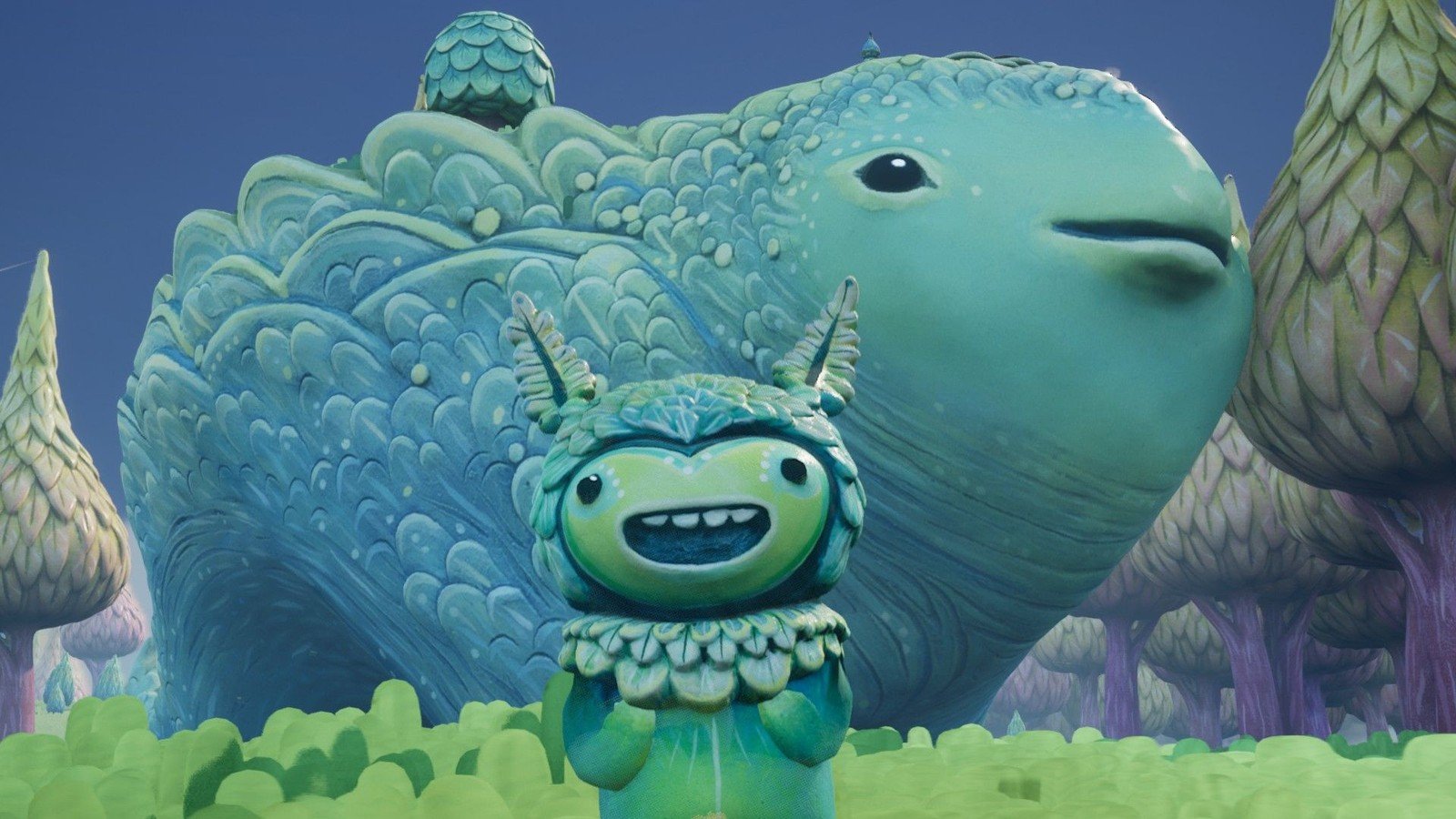
The “OddFauna crafting game review” may sound like an unexpected yet perfectly logical delight for fans of the genre today: in a market packed with similar survival and crafting projects, this game stands out because of one very tangible feature—handmade creatures that look as though they were sculpted from clay, giving the world character and warmth.
The news highlighted by international gaming media is simple: “OddFauna” caught people’s attention not with promises of hundreds of systems or photorealistic graphics, but with emotion. It is that rare case where the visual identity itself becomes a reason to give the game a try—because you want to discover what a world inspired by such strange, “handmade” fauna will offer when you play it.
It is also important that the project is being developed by a smaller, family-run development team—a husband and wife. This is nothing new on the indie scene, but it remains intriguing: teams like these often have a clear creative backbone, a consistent style, and more courage to take risks with ideas that would frequently be “softened” into a safe middle ground within the production pipelines of larger studios.
OddFauna crafting game review: why this news matters to the genre
The wave of crafting and survival games has continued for many years: gathering resources, crafting tools, building a base, and traveling to increasingly distant areas—this is a familiar formula that can be both hypnotic and exhausting. As a result, every new project must find a clear “angle” explaining why it deserves your time and attention.
In the case of “OddFauna,” the core of the news is the creative decision to fill the world with hand-sculpted creatures. This direction works on several levels: it immediately creates a recognizable style, makes it easier for players to become attached to the environment, and also helps distinguish the game from the typical “procedural” aesthetic, where many things look as though they were created from the same template.
The human factor is equally important: when a game is created by a small couple, audiences often follow the process not merely as a product, but also as a story. This can build trust and curiosity—especially if the developers openly share their progress, prototypes, and creative decisions.
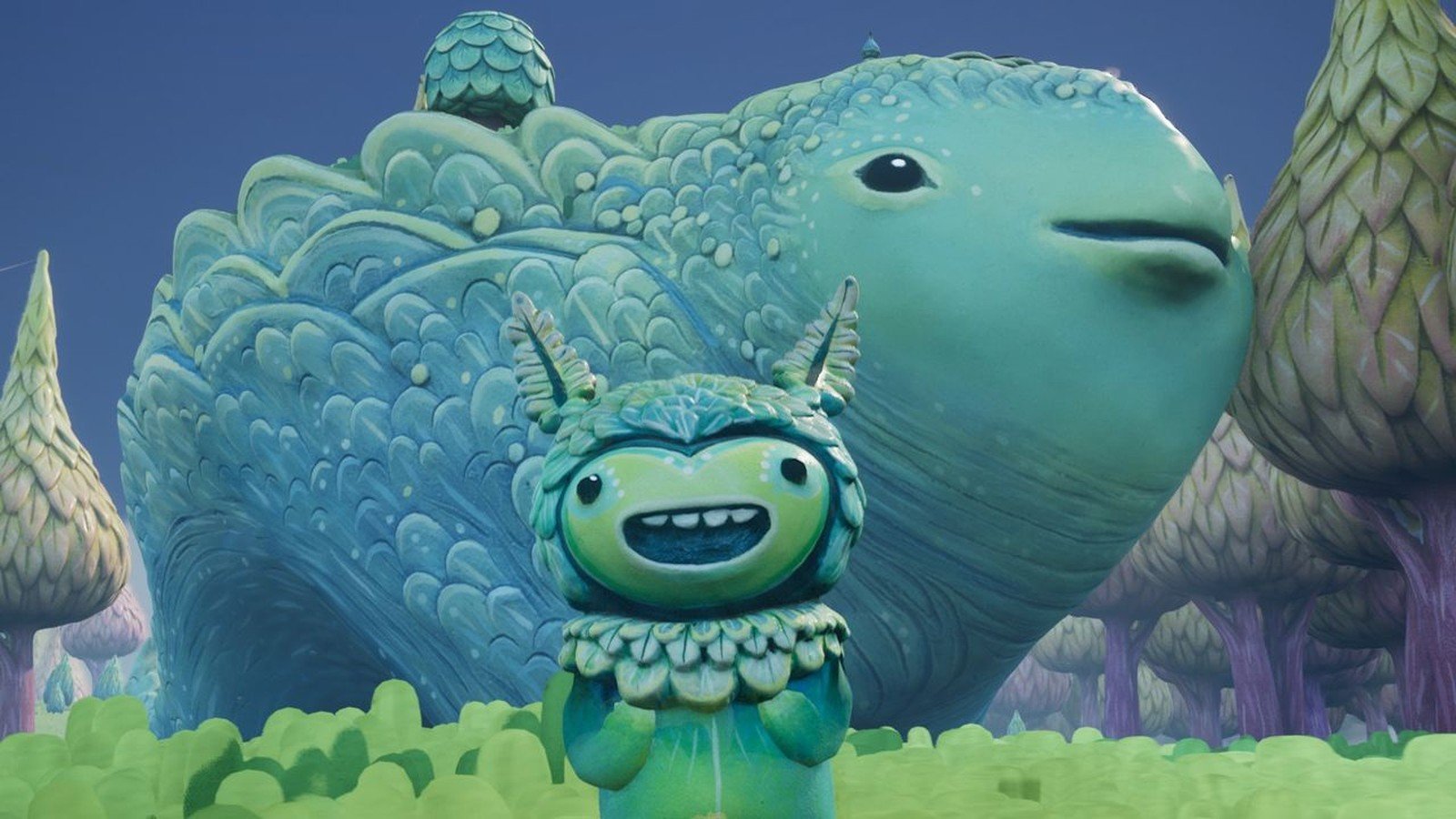
Although it is still too early to talk about “OddFauna” as a “finished” game with a locked feature list, its direction already sends a clear signal: the aim here is to create an experience shaped not only by mechanics, but also by atmosphere. This is an important point because atmosphere often becomes the reason some crafting games stay with players for a long time while others are quickly forgotten.
What are “hand-sculpted” creatures, and why do they work?
We often talk about “style” in games, but less frequently about where it comes from. When characters or monsters are created by hand—using physical sculptures or methods that imitate a “handmade” aesthetic—the result becomes imperfect in the best possible way. Small asymmetries, textures, and the “softness” of shapes create a sense of organic life that is difficult to reproduce with standard, overly clean 3D models.
This approach also changes how the player reads the world. Creatures may appear not merely as obstacles or “loot piñatas,” but as parts of an ecosystem: you want to observe them, remember them, and perhaps even collect or protect them. If the game takes this path, it could move closer to cozy adventures or the broader “cozy” genre, even if its foundation remains a classic survival and crafting loop.
Another aspect is emotional contrast. The crafting genre is often associated with efficiency: optimize resources, automate production, and expand your base. A handmade aesthetic, by contrast, encourages players to slow down and enjoy the details. This tension between “efficiency” and “coziness” could become a powerful design engine if the developers manage to maintain the right balance.
The crafting genre hook: a familiar formula with a different flavor
Even the most original art style ultimately needs to be supported by a clear gameplay “backbone.” In crafting games, this usually consists of several steps: exploration → resource gathering → crafting → unlocking new possibilities → entering more dangerous areas. This loop attracts players because it constantly delivers small victories and tangible progress.
The question naturally raised by this news is: how will “OddFauna” use its creatures within that loop? One direction would be to make the fauna not merely decorative, but part of the game’s systems: new recipes, biological resources, and unexpected behavior patterns that encourage players to plan their routes or preparations. Another direction would be to emphasize the joy of discovery, with each newly encountered creature becoming a small “collectible” event.
In games of this type, it is particularly important that crafting is more than just a “list of ingredients” and instead becomes a chain of decisions. If recipes require players not only to farm resources but also to understand the environment—where something can be found, when it appears, and how to bring it home safely—tension and meaning emerge. And when the visual side stands out so strongly, you also want the mechanics to support that same “handmade” feeling—in other words, for everything not to resemble a dry spreadsheet.
OddFauna crafting game review from the developers’ perspective: the advantages and risks of a two-person team
The fact that the game is being developed by a husband and wife is not merely a “cute detail”—it could have a real impact on the quality of the product. In a small team, agreements about the vision are usually clearer: there are fewer “compromises by committee,” decisions can be made more quickly, and the tone remains more consistent. This is especially important in a game where art and atmosphere carry so much of its identity.
On the other hand, small teams face a different set of challenges: fewer people available for testing, fewer resources for optimization, and greater difficulty creating content, fixing bugs, and planning the launch at the same time. Players should therefore watch how “OddFauna” communicates its progress: whether the developers show clear, verifiable steps, such as demos, updates, and a transparent roadmap, or limit themselves to attractive screenshots.
In this context, the news that larger media outlets are paying attention is significant: it could help the project reach a wider audience, attract a community, and, most importantly, receive feedback. The success of crafting games often depends on how well their systems fit together, and this is usually refined only when real players begin trying to “break” the game.
What to expect from the atmosphere: from curiosity to attachment
In games of this type, atmosphere often consists of three components: visuals, sound, and the “logic of the world.” Judging by the discussions, the visuals of “OddFauna” are already its main attraction. Long-term attachment, however, is usually created by how the world responds to the player: whether creatures behave in recognizable ways, whether the environment encourages exploration, and whether the balance of risk and reward feels fair.
If the game moves in a cozier direction, it will be important for “coziness” not to mean boredom. Coziness can be achieved through clear systems, satisfying progression, and visual rewards for the player’s efforts: when you craft a new tool, build a new section of your base, or discover a new creature—and all of it looks and sounds pleasant. If “OddFauna” manages to combine these elements, it could become the kind of game you launch “to relax” while still experiencing meaningful progress.
If, by contrast, the project aims for a more intense survival experience, its handmade creatures could create a different kind of tension: danger would not look like a standard model, but like a unique, strange, and memorable threat. Either way, the creature design could become not an “extra,” but a fundamental part of the game’s emotional impact.
How to tell whether “OddFauna” will truly become an “indie darling”
Media enthusiasm is often the first signal, but it is no guarantee. For the “indie darling” label to last, the game will need several things: a clear gameplay loop, a stable technical foundation, and content that does not begin to feel repetitive after a few hours. In the crafting genre, it quickly becomes clear whether progression has been designed thoughtfully or whether the developers have simply “added more recipes.”
From a player’s perspective, three signs are worth following. First, how the developers talk about the systems: whether they discuss specific solutions, such as how exploration is encouraged and how monotony is addressed, or offer only vague promises. Second, whether the game demonstrates a variety of situations rather than a single, carefully selected scene. Third, whether community stories begin to emerge: games in this genre flourish when people share unexpected discoveries, strange creatures, and interesting solutions they have created in their bases.
At this point, the “OddFauna crafting game review” also becomes a guide to what players should watch for: the news has sparked curiosity, but the game will need evidence to demonstrate its maturity. The best-case scenario is one where the unique art not only attracts attention, but also helps create distinctive mechanics, such as interactions with the fauna, that could not exist within a “standard” visual package.
Why now is the right time to talk about “OddFauna”
The indie scene moves quickly: every week brings new projects that briefly shine on social media before disappearing into the flow of information. Early attention from larger publications can therefore become a turning point—it helps a game remain visible long enough to establish a core audience.
This is convenient for players: they can follow the development process, evaluate its direction, and decide whether the project suits their tastes. For some, the depth of the crafting systems will be the most important feature; for others, it will be the collection of creatures; and for others still, the cozy aesthetic and sense of discovery will matter most. The news about “OddFauna” is interesting because it brings several audiences together: crafting fans, fans of the “cozy” genre, and those simply looking for distinctive art.
Ultimately, stories like this remind us why smaller projects are worth following: sometimes a single bold creative decision—in this case, handmade fauna—creates an identity that cannot be bought with a larger budget. If “OddFauna” maintains its direction and reinforces it with solid systems, it has a chance to become a game we remember not as just another crafting clone, but as a distinctive experience.