
 LT
 DE

Drop is closing in March—a story that quickly spread through mechanical keyboard and peripheral communities, as the brand had long been associated with limited-edition projects, community-driven drops, and partnerships that often appealed to gamers and other enthusiasts alike. For some, this will simply be another e-commerce story, but for others, it is a real problem: unfulfilled orders, future warranty coverage, spare-part availability, and the question of where to find similar products going forward.
In short, many people associated the Drop name with a place where they could find distinctive keyboards, keycaps, switches, headphones, and other accessories that rarely appeared in conventional stores. In recent years, the company also actively explored licensed themed designs—for example, products based on popular franchises that attracted gaming audiences as well.
This news matters for more than just the emotional impact of “another favorite store is closing.” It is a reminder of how fragile the world of niche peripheral projects can be, combining licenses, manufacturing, inventory, logistics, and waves of demand. More importantly, it raises the question of what this means for customers who were planning to place an order or have already paid for one.
What Is Drop and Why Did It Become Important to Peripheral Enthusiasts?
Drop (previously known to many as Massdrop) became popular because of a model in which community participation and limited-time offers were not merely marketing tools but the foundation of how the business operated. The idea was simple: a particular product would be offered for a limited time, often at a more attractive price or with an exclusive configuration, while manufacturing and supply were planned according to the level of demand.
This model caught on in the mechanical keyboard world because it involves an enormous number of nuances: different switches (linear, tactile, and clicky), different stabilizers, case materials, PCB solutions, lighting, layouts (ANSI/ISO), and, ultimately, aesthetics. Drop was able to offer combinations that were too niche for the mass market but just right for enthusiasts.
Drop also often served as an intermediary between manufacturers and Western audiences. Sometimes it introduced partnerships, sometimes special editions, and sometimes kits that could conveniently be purchased with one click instead of being assembled from parts bought from several different stores.
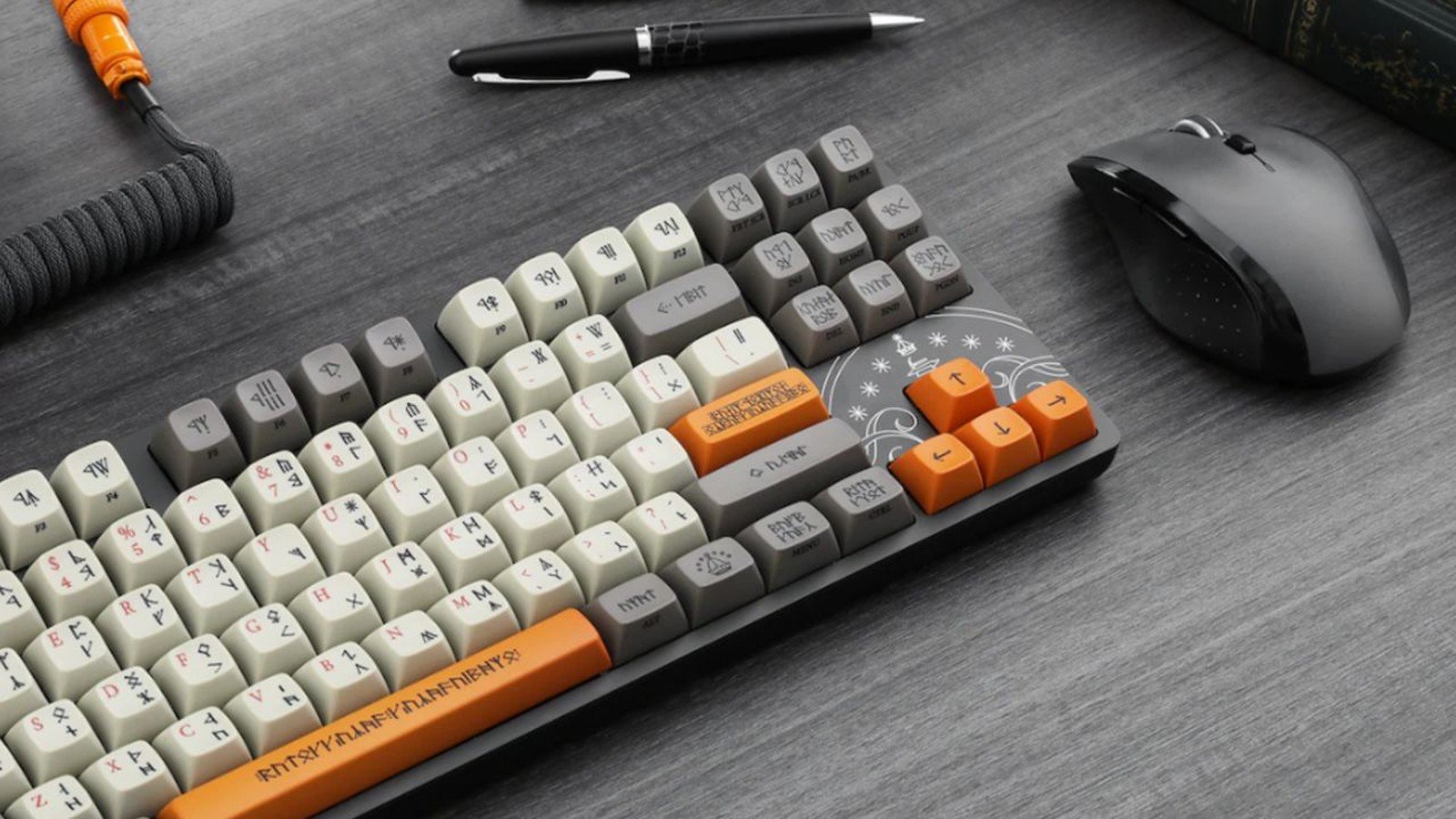
For gamers, this offered practical benefits: a keyboard is one of the most important peripherals, and the differences between “just a keyboard” and a well-tuned mechanical setup become apparent in everyday use—from improved comfort and reduced fatigue to consistent performance, clearer keystrokes, and simply a more pleasant feel during long sessions. Although major brands dominate the gaming market, some players deliberately choose a more enthusiast-oriented path.
Why Is Drop Closing in March: What We Know So Far
According to the information that has been announced, the company plans to shut down its operations in March. The reasons behind a closure are not always explained publicly in complete detail, but businesses of this type are usually affected by several factors at once: increasing competition, shrinking margins, expensive logistics, inventory management risks, licensing costs, and changing customer habits.
Over the past several years, the mechanical keyboard market has become more mainstream. While distinctive keycap sets and premium cases were once niche products, similar items are now offered by many more stores, including manufacturers themselves. This means that a platform built around curation and limited editions must constantly maintain a highly attractive product selection—and doing so is expensive.
Licensed designs are a particularly challenging area. Themed keyboards or keycap sets, such as those connected to well-known franchises, can generate tremendous interest, but they also increase costs and business risks: licensing terms, minimum order quantities, production schedules, quality control, and return management. If demand fails to meet expectations or costs rise faster than sales, the balance can quickly become fragile.
Another important factor is customer expectations regarding delivery speed. Historically, the Drop-style model involved longer wait times because customers were buying into a “project” or a “limited edition.” Today, however, when fast delivery is normally expected, long lead times can become a deal-breaker for many customers, even when the product is highly desirable.
What Drop Closing in March Means for the Keyboard Community
A closure almost always causes a chain reaction: some models become collectibles, others simply disappear from the market, while some are later revived through different distributors or the secondary market. This is especially noticeable in mechanical keyboard culture, where value often comes not only from functionality but also from history: the limited nature of a release, its design, a collaboration, or even the nostalgia factor.
If Drop had exclusive agreements with manufacturers or franchise owners, some products may never return. On the other hand, the market rarely leaves a vacuum unfilled for long—when there is clear demand, new suppliers, reissues, or alternative solutions emerge. The only questions are how long that will take and whether they will maintain the same balance of quality and price.
On the technical side, important considerations include software, firmware, configuration tools, and spare parts. If a particular model required specific solutions, such as a non-standard PCB or particular keycap profiles, it may become more difficult to find identical components over time. Of course, much of the mechanical keyboard ecosystem is based on standards such as MX compatibility and universal stabilizers, but there are no absolute guarantees.
What Customers Should Do If Drop Is Closing in March
The most practical question is what to do if you are a customer. Although every situation is different, several general steps can help reduce risk and ensure your documentation is in order.
First, review the orders in your account and check their status. If you have active orders, make a note of the order numbers, payment dates, estimated delivery dates, correspondence with support, if any, and all emails. This information will be useful if you later need to resolve issues involving delivery, returns, or refunds.
Second, check which payment method you used. Credit card purchases often provide additional protection, such as dispute or chargeback mechanisms, but the applicable time limits may vary depending on the bank and country. If you paid through an intermediary, familiarize yourself with its buyer protection policies. Most importantly, do not wait until the last minute if your order is delayed and communication remains unclear.
Third, if you own a product that may require warranty service, gather all the paperwork: the invoice, order confirmation, serial number, if available, and photographs. Even if the store closes, the manufacturer or a partner may sometimes have its own warranty process, but you will need proof of purchase.
Fourth, if your keyboard or device uses dedicated software, it is worth saving installation files, firmware updates, configurations, and profiles. Some products rely on open-source solutions, such as the QMK/VIA ecosystems, but if a product used a proprietary tool, it may become more difficult to find in the future.
Finally, remember the realities of the secondary market: closures often trigger impulse purchases driven by a “last chance” mentality and sudden price increases. If your goal is to own a reliable gaming tool rather than a collectible display piece, it is sensible to compare alternatives and avoid rushing to overpay simply because something feels scarce.
How This Could Affect Themed and Franchise-Based Keyboards
The news of Drop’s closure is especially concerning for people who liked its licensed designs, as themed keyboards and accessories are often emotional purchases. These products exist between two poles: for some people, they are fan service, while for others, they are a way to create a unique desk and gaming setup.
The fate of licensed projects after a closure can vary significantly. Sometimes another distributor takes over the rights and the project returns in a new production run. Sometimes the licensing terms make it impossible or financially unviable to repeat the release. In other cases, the design returns in an “inspired by” form but without official logos or names.
If official licensing is important to you, it is worth using trusted channels and avoiding obvious counterfeits. There is no shortage of them in the themed keycap and accessory segment, and their quality often fails to match either the price or the original product.
Drop Alternatives: Where to Find Mechanical Keyboards and Accessories
Although Drop was a convenient one-stop shop, today’s mechanical keyboard ecosystem is broader than ever. If you are looking for alternatives, start by asking yourself whether you need a prebuilt keyboard, want a kit, or are only looking for keycaps or switches.
Prebuilt keyboards often offer a good balance between price and convenience, especially if you simply want a reliable tool for gaming and work. Kits are better suited to people who want a specific case, particular acoustics, and a unique feel. Meanwhile, searching for keycaps and switches often becomes a separate hobby in itself—important considerations include profiles (Cherry, SA, OEM, and others), material (PBT/ABS), printing methods, and layout compatibility.
There are also regional retailers, especially in Europe, that may offer faster delivery, clearer warranty coverage, and simpler returns. For gamers, these factors are often even more important than having the most unique design because peripherals are everyday tools, not just collectibles.
Why This News Matters to Gamers Even If You Never Bought From Drop
At first glance, this may seem relevant only to mechanical keyboard enthusiasts. In reality, however, market changes like this also affect gaming peripheral trends. When one of the larger niche players disappears, there is less pressure on competitors to offer bolder designs, a wider selection of components, or better value.
A mechanical keyboard in gaming is about more than a clicky sound. Stability, predictability, reduced errors, a comfortable layout, and sometimes acoustics that can become tiring during long sessions all matter. Even though professional esports discussions tend to focus more on mice and monitors, the keyboard is constantly beneath your fingers, and its quality affects both comfort and performance.
Another factor is culture. Gaming spaces are increasingly designed as cohesive setups: keyboard, mouse, mouse pad, headphones, microphone, and lighting. Stores such as Drop contributed to the growth of aesthetics and individuality. If one of these channels disappears, the community will naturally regroup elsewhere, but the transition period may be chaotic.
What to Expect in the Near Future
While the closure process is underway, several scenarios are common: clearance sales, limited support capacity, slower response times, and a larger volume of customer inquiries. This does not necessarily indicate bad intentions—closing a business is simply a complex organizational process, especially when physical products, warehouses, and partners are involved.
If you were planning to make a purchase, it is worth assessing the risk objectively: do you truly need that specific product, or can you find an equivalent elsewhere with clearer warranty coverage? If you have already made a purchase, your priority should be organizing your documentation and monitoring deadlines.
In the longer term, some of Drop’s former audience will likely spread across other specialist stores, while certain projects, if demand was strong enough, may return in different forms. The mechanical keyboard market is active and creative, so the closure does not mean the end of the hobby itself—it is better understood as a restructuring.
Conclusion: What the Story of Drop’s Closure Tells Us
The fact that Drop is closing in March is significant news for peripheral enthusiasts and some gamers who appreciated distinctive designs, collaborations, and limited-edition products. It is a reminder that even well-known names are not protected from market changes and that customers should have a clear plan: monitor orders, save documents, understand warranty limitations, and, if necessary, choose alternatives with more stable support.
If Drop was an important destination for you, the coming months will likely bring both nostalgic discussions and practical questions. If the name is new to you, this is a good opportunity to take a broader look at the world of mechanical keyboards: it is large, diverse, and certainly will not stop moving forward because one player has left the market.