
 LT
 DE
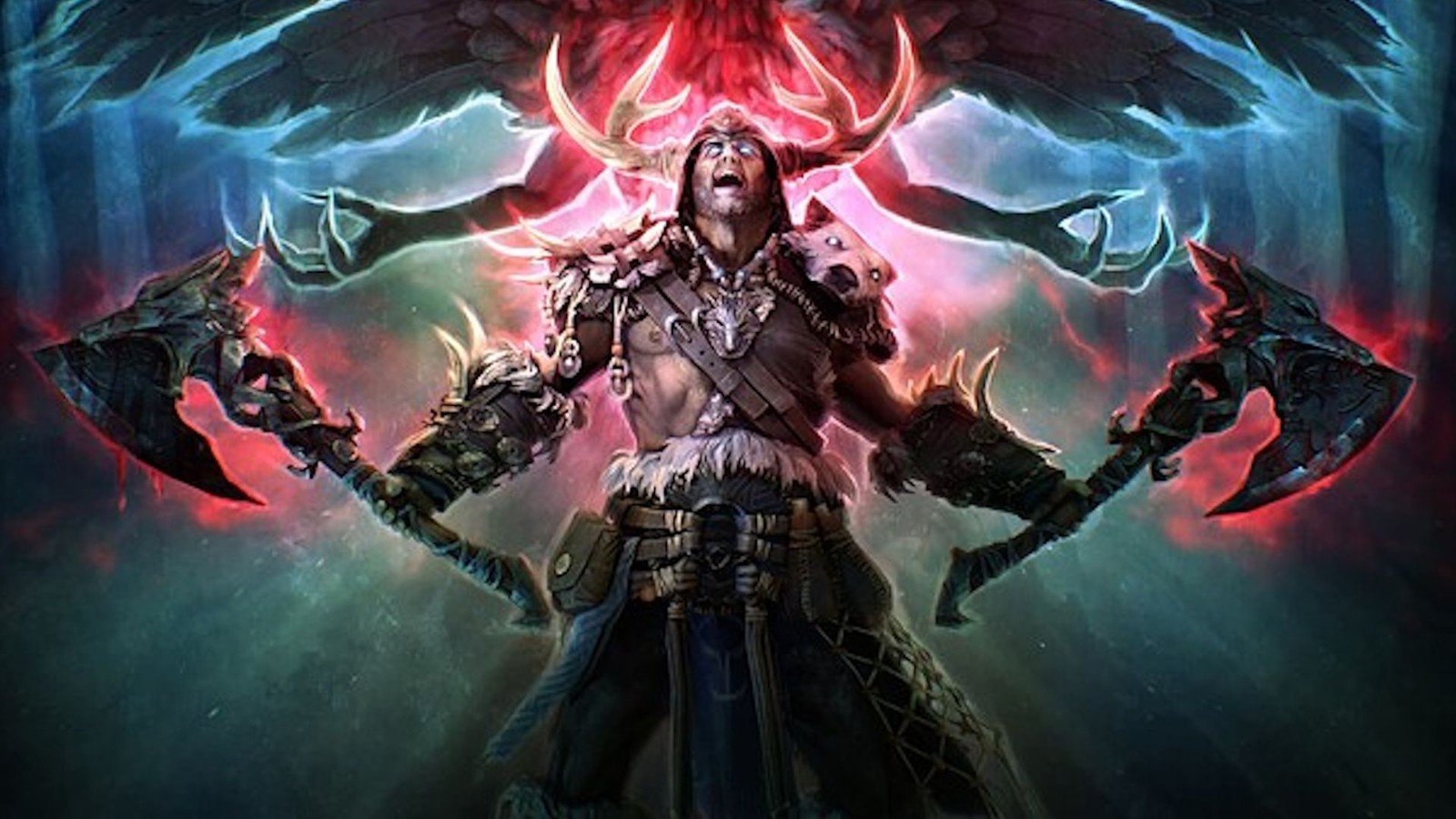
“Grim Dawn’s final expansion Fangs of Asterkarn” became the headline news when Crate Entertainment once again marked the game’s 10th anniversary with a reminder: the game has no intention of quietly leaving the stage. The developers are talking about one final, ambitious chapter designed to cement Grim Dawn’s status as one of the most important representatives of the classic-style ARPG genre.
Although projects from major publishers have significantly shaken up the ARPG market in recent years, Grim Dawn has maintained a different, slower, systems-driven identity: complex character combinations, a clear sense of progression, an extensive loot-hunting loop, and a world in which players must constantly choose what to sacrifice in exchange for greater power.
The anniversary update and announcement of the final expansion matter to more than just the fans. They are a sign that a smaller studio, having consistently supported its creation for many years, wants to close this chapter in a way that makes returning worthwhile for both veterans and those who have kept Grim Dawn on their wishlist until now.
In this article, we examine one piece of news—the progress shared by the developers and the direction in which they are moving toward Fangs of Asterkarn—and expand on it with context: what a “final” expansion means, what is typically expected from expansions of this scale, and how it could change the everyday experience of the game, from the campaign to the endgame.
Grim Dawn’s Final Expansion Fangs of Asterkarn: Why It Matters After 10 Years
Ten years is almost an eternity in the gaming industry, especially in a genre where audiences quickly migrate to wherever a new seasonal economy, raids, or fashionable mechanics emerge. Grim Dawn is different: it is a game that grew slowly but steadily, with a reputation built not only on advertising, but also on word of mouth and continuous improvement.
The message about a “tremendous roar” instead of the traditional “bang” metaphor clearly reflects the developers’ mindset: the final expansion is not meant to be a token “one more DLC,” but a leap in content and quality that justifies its status as the last major expansion. Such promises raise expectations, but they also create obligations—especially when discussing a game whose community is accustomed to precise numbers, mechanical balancing, and clear design.
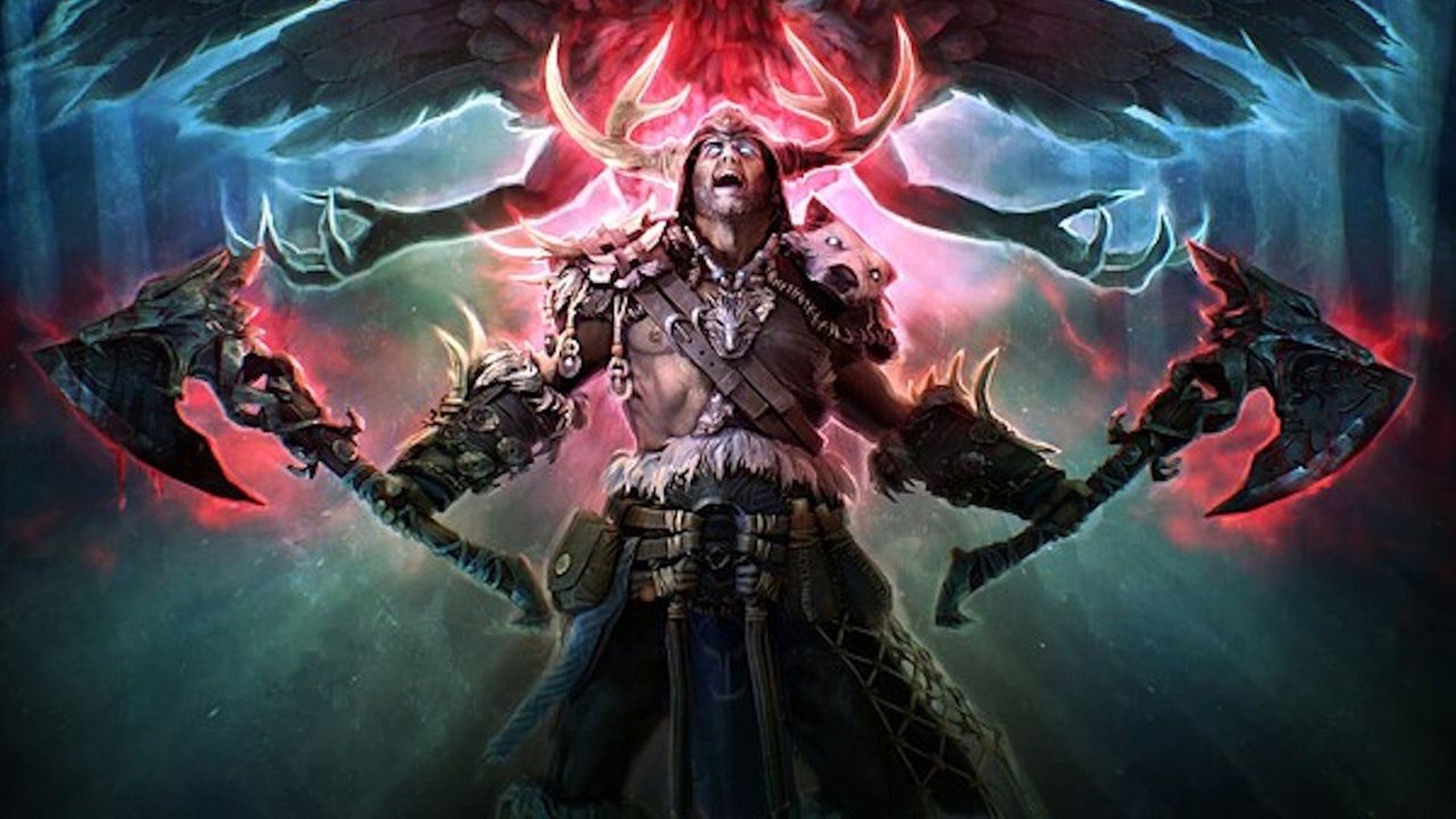
“Final” is an important word here. For ARPG players, it often means two things: first, a historic point at which the game reaches its “complete form” once most of its ideas have been implemented, and second, a practical signal that there may be no more major systemic revolutions after this expansion. That does not mean the game will immediately be abandoned, but the nature of support usually changes—from large pieces of content to fixes, balance updates, and minor improvements.
Another reason this news matters is that Grim Dawn is still frequently recommended as an alternative for players seeking a “more classic Diablo” feel—with more build planning and fewer short-lived meta dictates. The final expansion could become the moment when the game returns to the wider spotlight: veterans come back, new players arrive, and content creators such as streamers and YouTube channels get another opportunity to bring the topic back to the surface.
What Is Fangs of Asterkarn and What Can We Realistically Expect?
The official direction is clear: Fangs of Asterkarn is presented as Grim Dawn’s final major expansion, intended to conclude the journey with ambition. However, the details—the scale of the content, which systems will be expanded, and whether there will be any radical innovations—are usually what the community anticipates most, and announcements of this kind often deliberately keep some cards hidden until later reveals.
Based on genre conventions and the standards set by previous Grim Dawn expansions, what does a “full-scale” ARPG expansion usually mean? Most often, it includes new areas to explore, additional story sections or campaign “acts,” new enemies and bosses, an expanded pool of legendary items, more progression goals, and additional activities that support the endgame loop. However, it is important to separate what is “likely” from what is “confirmed”: until the developers name specific features, the wisest approach is to maintain a more cautious tone.
From a practical perspective, the name Fangs of Asterkarn sounds like a hint at a new region or faction—it could refer to a new biome or a storyline connected to a place name or mythological element within the game’s world. Grim Dawn’s strength has always been the atmosphere of its world: an industrial, grim, low-fantasy setting with a Lovecraftian backdrop. Therefore, if the expansion focuses on atmosphere and narrative, it could provide exactly the sense of returning home that brings people back to the game after a year or two away.
A major question is whether the classes and build ecosystem will be expanded. Grim Dawn features a dual-class system: the player selects two masteries, creating hundreds of possible variations. If the expansion adds a new mastery, that could theoretically amount to several hundred new builds. But even without a new class, new item sets, skill modifiers, and balance changes would be enough to transform the meta fundamentally. In other words, even an expansion “without a new class” could be enormous.
It is also reasonable to expect additional value for collectors and min-maxing enthusiasts: new unique items, new reputation or faction progression paths, new crafting goals, or even alternative routes through progression. These are areas in which Grim Dawn has always excelled, because the game manages to provide “one more goal” even after hundreds of hours.
Grim Dawn’s Final Expansion Fangs of Asterkarn as a Statement About the Genre
When the developers say they want to “cement” the game as an ARPG cornerstone, it sounds like more than marketing—it suggests that quality is the priority. ARPG fans are often more demanding than audiences in other genres: they measure the experience not only by its story, but also by the “depth” of its systems and whether it is worth returning for another season or another character.
Grim Dawn stands out because, even today, its sense of pacing and weight feels pleasantly old-fashioned to many players: attacks feel meaningful, resistances and managing them come with a real cost, and mistakes in a build can be painful—but are usually fixable. In this context, the final expansion could become a design statement: “we are staying the course, but we are concluding it in the strongest possible way.”
This is also interesting within the context of the genre because ARPGs have recently tended to balance between two poles: on one side is the live-service model with seasons and an aggressive economy, while on the other is a more “classic” product that focuses heavily on a one-time purchase and longevity. Historically, Grim Dawn has stood closer to the second pole. If Fangs of Asterkarn delivers a strong experience, it will provide evidence that this type of model still works.
Finally, the last expansion could become a gateway for new players: some people deliberately wait until a game is “complete” in terms of content so that they can buy the entire package and play through it in one long marathon. For these buyers, Grim Dawn’s final expansion Fangs of Asterkarn sends a clear message: the time when it will be worth starting from scratch is approaching.
What the Anniversary Update Could Mean: Quality, Balance, and Convenience
Although new areas or bosses usually receive the biggest headlines, long-term changes to the game’s overall feel often come through quality-of-life improvements. Anniversary updates are frequently an opportunity to revisit old systems: inventory management, filters, UI clarity, search features, crafting convenience, and even small details such as clearer descriptions or better explanations of mechanics.
The Grim Dawn community traditionally appreciates it when the developers carefully work on balance. ARPG balancing is always a compromise: overly powerful combinations create a single “correct” path, while overly harsh nerfs discourage experimentation. The ideal scenario is one in which the expansion introduces plenty of new tools while old builds remain playable, and the new options naturally create a fresh endgame ecosystem.
The technical side is also worth considering. Games that have been active for 10 years often carry a certain legacy: older solutions that may once have been optimal but can now limit convenience or performance. If the developers add a package of optimization, stability improvements, and bug fixes alongside the new content, it could be just as important as a new boss—especially for those who play long sessions or test many different builds.
Endgame, Progression, and “Why Will I Still Be Playing After 200 Hours?”
An ARPG’s success is often measured not by whether its campaign is enjoyable the first time, but by whether the player finds a reason to return. Grim Dawn has a strong emphasis on leveling alts, or new characters: the dual-class system encourages experimentation, and every new item can become an excuse to create an entirely different character.
Ideally, the final expansion will strengthen this loop by adding more goals, more “horizontal” progression such as collecting, reputations, and recipes, while also providing more “vertical” progression through tougher challenges and better rewards. It is important for progression to feel fair: the player should understand why one choice works while another does not, and the path toward the desired result should not be nothing more than a lottery.
This is also where the psychology of the genre becomes apparent: hunting for loot is about reaching a goal, but also about the story told by the build itself. When a game provides clear tools for planning—resistances, damage types, conversions, and procs—the player feels less like they are being manipulated by RNG and more like a builder. Grim Dawn is already renowned for this building aspect, and Fangs of Asterkarn has an opportunity to expand it even further.
Community, Mods, and Longevity After the Final Expansion
Even if this is the “last major expansion,” Grim Dawn has one significant advantage—a community that knows how to get the most out of its systems. ARPGs often outlive their official content when players create challenges, voluntarily imposed rules such as self-found play or hardcore goals, build tournaments, or simply maintain a tradition of “let’s try something strange.”
Modding culture also contributes to longevity. Even if someone does not play large total conversion projects, smaller improvements—from UI elements to gameplay conveniences—can often be useful. The more “complete” the base game becomes, the easier it is for mod creators to have a stable foundation and worry less about every patch breaking half of their work.
However, it is important to understand the other side as well: when official content reaches its final stage, the influx of new players may increase in the short term as people arrive for the “grand finale,” but the community later sustains itself through rituals—returning to the game, playing marathons, and bringing in friends. Therefore, Fangs of Asterkarn should be designed to deliver not only a “wow” moment but also a long tail: a reason to stay.
What Is Still Missing From the Full Picture: Release Date, Scope, and Pricing
For many players, the biggest practical question is when. At the moment, the announcement is more about direction and progress than a specific release date or a complete list of content. This is normal: studios often avoid committing to a date too early so that they do not later have to choose between rushing and delaying the release.
Another question is scope. A “final expansion” can mean different things: anything from a truly massive content package to a more focused but high-quality experience with a strong storyline and several endgame hooks. For now, the developers’ tone suggests that the goal is an ambitious finale, but the details will be the most important evaluation criterion once more information emerges.
The subject of pricing is also unavoidable. ARPG players generally appreciate clarity: what they receive for their money, whether it is a one-time purchase, whether there will be several packages, and whether there will be separate cosmetic add-ons. Until specific figures are available, it is best to treat the news as a “signal to keep watching”—especially for those planning to return and wanting to prepare, such as by updating a character, reviewing build plans, or gathering friends for co-op.
How to Prepare for Your Return to Grim Dawn Before Fangs of Asterkarn
If you have not played in a long time, the most practical way to prepare is simple: refresh your knowledge of the basics without burning yourself out. Grim Dawn is a game that is enjoyable to return to for the journey itself, not only for the endgame. The first few evenings will often be spent refreshing your knowledge of resistances, damage types, and how your favorite dual-class combination feels today.
If you are a newcomer, the best approach is not to rush. Grim Dawn rewards those who read item descriptions, experiment, and learn from their mistakes. Waiting for the final expansion can be the perfect time to simply complete the base game and its previous content so that, when Fangs of Asterkarn arrives, you will understand the context and appreciate the differences.
If you are a veteran, your preparation can be more like a hobby: decide which archetypes you want to try, practice with different damage types, review your old characters, and, most importantly, leave room for surprises. After all, surprises—new items, new interactions, and new “strange” ideas—are usually what make major expansions so enjoyable.