
 LT
LT
 DE
DE
Today’s daily gaming news focuses on two issues that increasingly overlap: money and trust. On one side is the gacha economy, where the highest-spending players can influence the direction of an entire game. On the other are AI, legal and ethical decisions that may determine whether the gaming worlds we enjoy today will still be accessible years from now.
In this February 20, 2026 roundup, we highlight some of the most important signals from across the gaming industry: how developers are making free-to-play models profitable, why some publishers and creative communities are stepping back from generative AI, and how player-led initiatives are pushing for change not only in Europe but also in the United States.
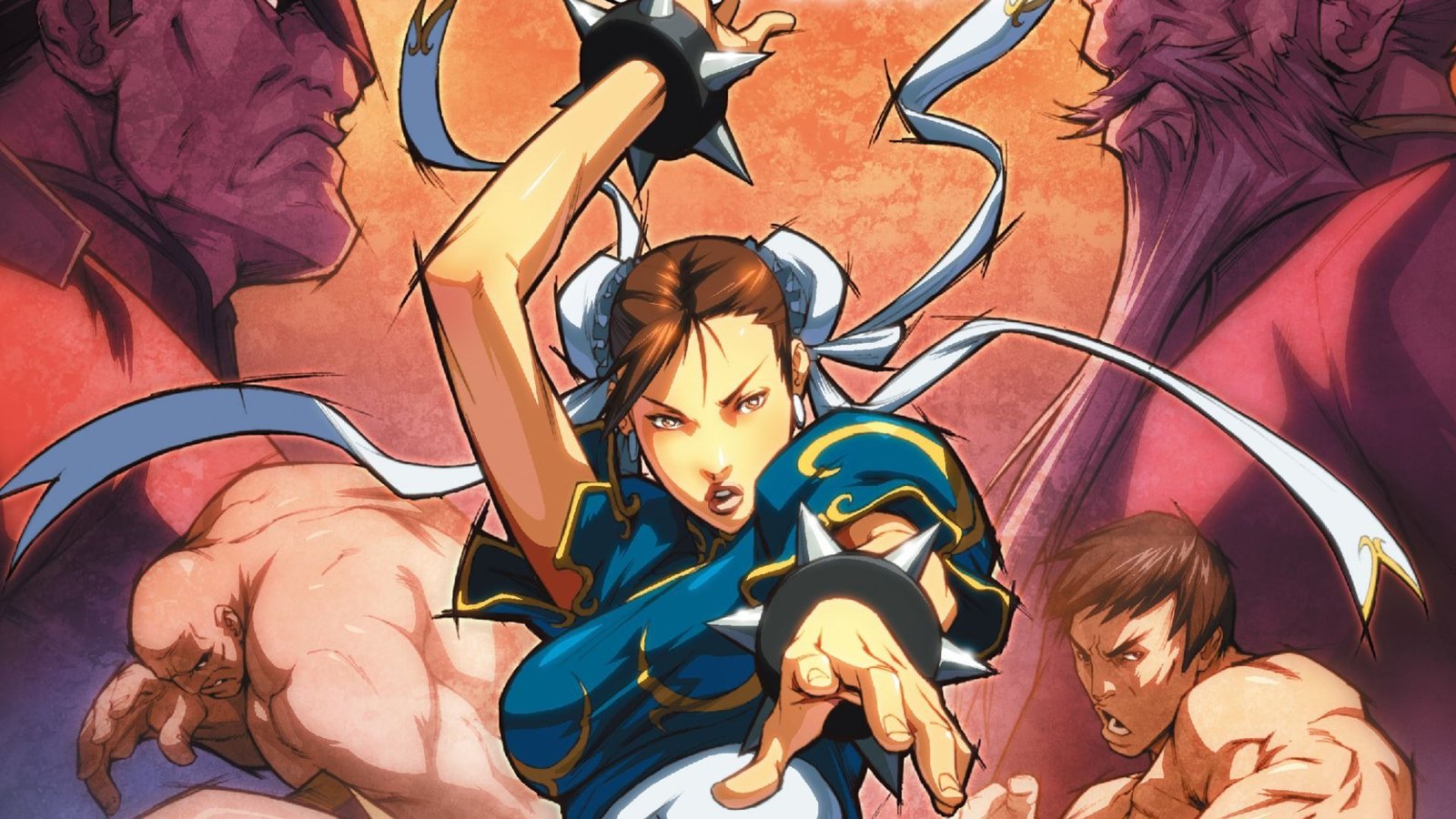
Daily Gaming News: Gacha Millions and the Expectations of Whale Players
What We Know
One of today’s most interesting industry comments comes from a developer associated with one of gaming’s biggest classics. Street Fighter 2 producer Yoshiki Okamoto now works on gacha games, and his comments provide a revealing look at how this market operates. In many cases, development decisions are shaped around a relatively small but extremely influential segment of the audience: the players who spend the most money.
Okamoto explains that a large portion of a game’s budget may be directed towards ensuring that its highest-spending customers do not feel disappointed. This can affect everything from character or card design and animation quality to game balance, content schedules, customer support and live-operations decisions.
This is not simply about offering a more attractive cosmetic item. It is about maintaining trust in the entire product. A single major mistake can lead to refund requests, cancelled spending and significant reputational damage among a group of players responsible for a large percentage of revenue.
Competition in the gacha market is extremely aggressive. Players can easily move between games, while publishers track not only downloads but also how long people remain engaged and how much they spend over time. As a result, investing heavily in the highest-value segment is increasingly treated as a core business strategy rather than an exception.
This is especially true for games built around limited-time events, rotating banners and layered rarity systems designed to encourage repeated participation.
What This Means for Players
For players, this approach has both advantages and risks. The positive side is that heavy investment in quality, stability and clearer systems can improve the experience for everyone. Players may benefit from fewer critical bugs, better balancing, more understandable progression and a steady stream of polished content.
Even if you never spend like a so-called whale, you can still benefit from the additional development resources being invested in the game.
However, there are also risks. When design decisions become too heavily focused on the biggest spenders, the gap between paying and non-paying players can increase. Games may introduce stricter limits, stronger pressure to log in every day and more aggressive FOMO mechanics designed around the fear of missing limited rewards.
These situations often lead communities to debate where the line between free-to-play and pay-to-win should be drawn. Players also begin asking whether meaningful content is realistically obtainable without spending money and whether drop rates, pity systems and guarantees are communicated transparently.
There is a simple rule worth remembering: if a game makes you feel guilty or pressures you into making a financial decision immediately, it is worth stepping back and reviewing your limits. Useful habits include setting a monthly spending cap, disabling some promotional notifications, waiting 24 hours before making non-essential purchases and asking whether the purchase will genuinely improve your experience rather than simply provide a short-lived rush.
What to Expect Next
In the near future, the gacha market is likely to become even more sophisticated behind the scenes. Developers and publishers will use more A/B testing, audience segmentation, personalised offers and increasingly detailed content planning.
This means that many important monetisation decisions may become less visible while being more precisely targeted at specific behaviour patterns. Players should pay attention to how a game’s economy changes after major updates. Does progression become slower? Are additional grind walls introduced? Do free rewards lose value over time?
Different markets may also introduce different regulatory requirements. Some regions could move towards stronger transparency and consumer-protection rules, while others may continue relying more heavily on industry self-regulation.
Even if the exact rules differ, the overall direction is clear: governments, players and consumer groups are asking more questions about how monetisation affects minors, how probability-based rewards are presented and how users are protected from misleading practices.
What to Check Before Starting a New Gacha Game
Before investing significant time or money into a new gacha game, it is worth checking several things. Does the game clearly explain drop rates? Does it include pity or guaranteed reward systems? Are purchases mainly cosmetic, or can they provide direct competitive power?
It is also worth researching the publisher’s history. Has the company previously shut games down suddenly? Has it introduced aggressive economic rebalancing after launch? How consistently does it communicate major changes?
Daily gaming news can sometimes feel like a stream of small updates, but industry trends often become visible through these details. One week a game increases free rewards, the next it raises prices, and later it introduces a new rarity tier.
If a game constantly pushes players towards increasingly expensive options, that is a sign that you are interacting not only with an entertainment product but also with a carefully calculated monetisation model.
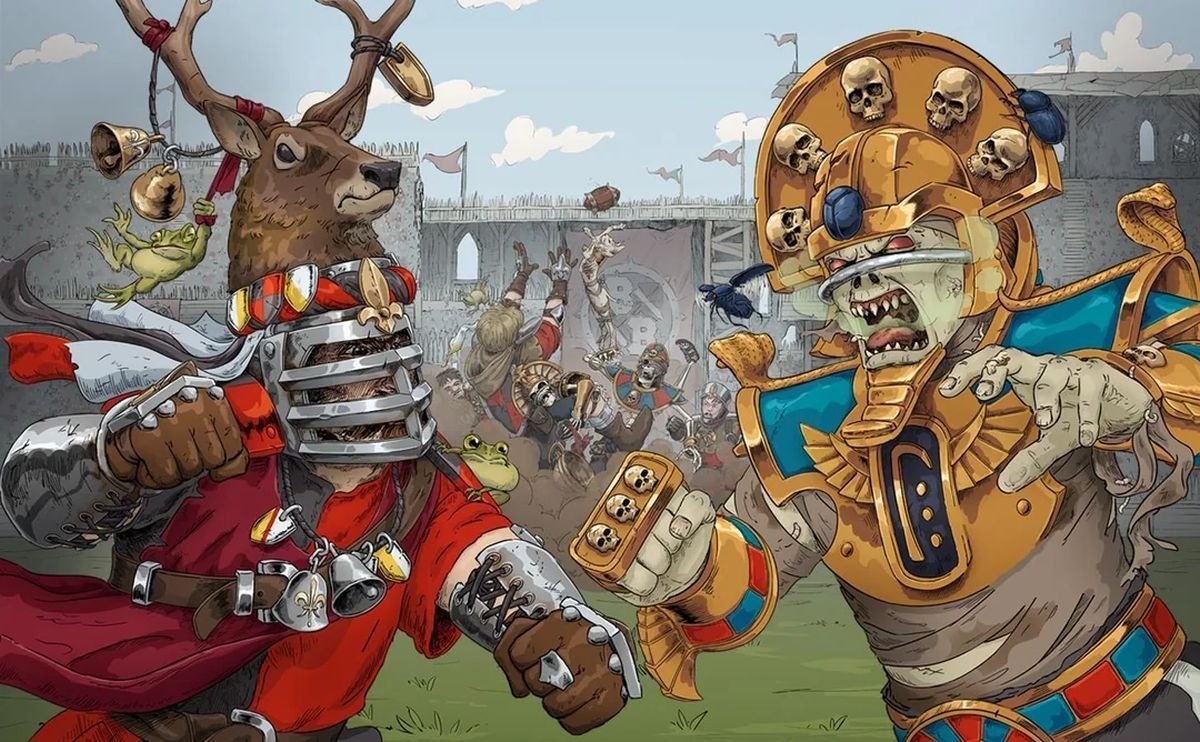
AI, Creativity and Game Preservation: Why They Are Connected in 2026
What We Know
Another major topic today is the growing pressure on gaming companies to decide where AI belongs and where it creates more problems than benefits. Blood Bowl creator Jervis Johnson has publicly supported Games Workshop’s restrictions on generative AI, arguing that these tools can encourage creative laziness and reduce the incentive to put genuine effort into artistic work.
This matters not only as an individual opinion but also as a wider industry signal. Companies responsible for major intellectual properties are becoming increasingly interested in protecting their visual identity, copyright position and creative processes from uncontrolled generative content.
At the same time, developers are learning how AI systems behave in real-world products and how expensive it can be to maintain systems that constantly generate new content.
AI-powered chatbot NPCs can sound attractive in marketing campaigns, but the practical challenges are much more complicated. Developers must maintain a consistent character personality, prevent unexpected or harmful responses and manage model updates that could change how players experience their relationship with a particular character.
A single failure could result in more than a few memes on social media. It could create a significant reputational problem for the game and its developers.
The third part of the discussion concerns long-term access to games. The Stop Killing Games initiative has announced efforts to establish organisations in both the European Union and the United States, aiming to give players a stronger voice in debates about server shutdowns, licensing and products that depend entirely on continued online services.
This suggests that players are moving beyond comments and petitions alone. Increasingly, they are seeking structural and legally sustainable ways to influence how digital games are sold and preserved.
What This Means for Players
For players, the next several years may bring clearer rules and labelling around AI-generated content. We may increasingly see distinctions between material created by humans and material produced with generative tools, along with clearer rules about what is permitted on official community platforms.
If you participate in miniature painting, tabletop gaming or fan-art communities, Games Workshop’s direction could directly influence what is accepted in competitions, official galleries and community events.
When it comes to AI NPCs, the most important issue is not the promise of unlimited dialogue but control and predictability. Players want a safe environment where the story remains coherent and characters remain recognisable.
If conversations repeatedly drift into unexpected topics, if relationships with NPCs change because of model updates, or if privacy questions emerge around stored player inputs, the technology can quickly lose its appeal.
Daily gaming news is useful here because these stories often reveal the gap between impressive demonstrations and the reality of deploying AI systems in a live game.
Game preservation affects almost everyone. Even players who do not consider themselves collectors want to know whether a game they purchased today will still work several years from now, or whether a publisher can make the entire experience inaccessible by shutting down a server.
Initiatives pushing for clearer obligations, such as offline modes, community-hosted servers or proper technical documentation, could eventually help establish new industry standards and reduce the number of games that effectively disappear when official services end.
What to Expect Next
The AI debate will likely develop in two different directions. The first involves internal development tools that automate technical work such as testing, localisation assistance or information retrieval without replacing creative authorship.
The second involves publicly visible generative AI features. These systems are likely to face greater scrutiny because of reputational concerns, legal risks and community reactions.
Pressure surrounding game preservation will also continue to grow as the live-service model expands. The more games depend on permanent online infrastructure, the more conflicts will emerge around what it actually means to “own” a digital purchase.
Meaningful progress is unlikely to come from one sudden legal change alone. More often, it develops through sustained public attention as communities, journalists and organisations collect examples, ask questions and pressure companies to provide clearer answers.
How to Navigate AI and Legal Gaming News
If discussions about AI and law seem unnecessarily complicated, a few simple filters can help. First, determine whether the story concerns internal development tools, where increased efficiency may be beneficial, or final consumer-facing content that directly changes the quality and identity of the game.
Second, look for a clear policy from the publisher or developer. Strong policies should explain what is permitted without relying on vague language or exceptions large enough to undermine the rule itself.
Third, evaluate commitments rather than promises. Does the company explain what will happen if the online service shuts down? Will there be another way to access the game? Can progress or user-created content be exported? Will at least one game mode remain playable?
These questions may sound technical today, but they could determine whether your digital game library remains usable in the future. Daily gaming news helps reveal these shifts before they become accepted industry norms.
Conclusion
Today’s stories show that the gaming industry is increasingly about more than gameplay mechanics and graphical quality. Gacha monetisation is becoming more calculated and more heavily focused on high-value customers, while discussions about AI and consumer rights are moving from theory into real policies, restrictions, community pressure and organised action.
If there is one practical lesson to take away, it is this: pay attention not only to headlines but also to how these developments affect your everyday gaming experience, including prices, progression, content availability and privacy.
Daily gaming news is most useful when it provides clear signals about where your time is worth investing, where spending money makes sense and where it may be better to wait until the situation becomes clearer.