
 LT
 DE
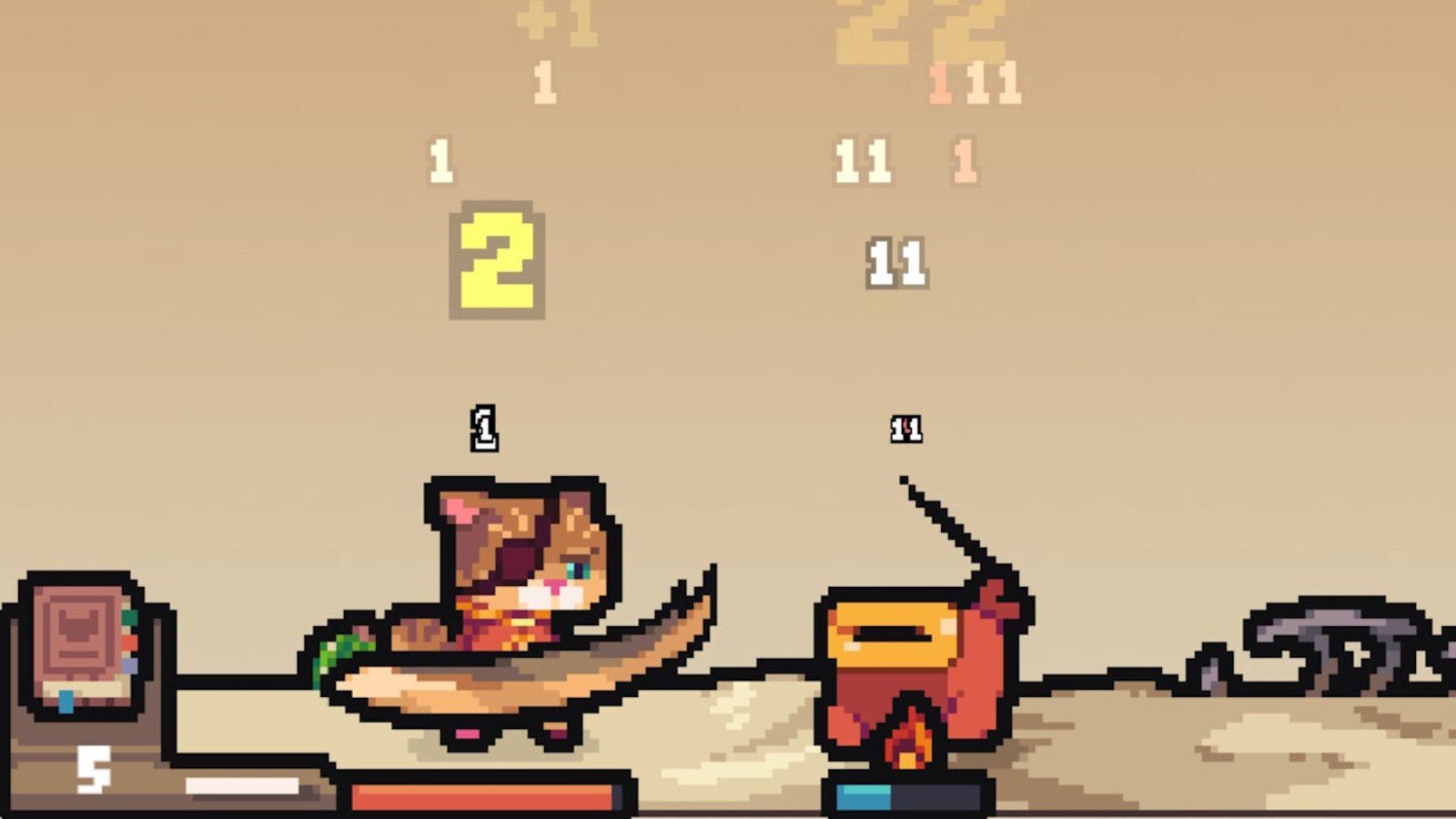
The Tap Tap Loot demo at Steam Next Fest raises a simple but amusingly absurd question: what if a cute internet cat suddenly picked up a sword and, instead of enjoying a peaceful life, started cutting down monsters, collecting loot, and growing stronger through clicker-style progression? That is exactly the tone and gameplay direction promised by Tap Tap Loot – a clicker (incremental) RPG inviting players to experience an early version of the game through its festival demo.
Steam Next Fest traditionally serves as a showcase for unexpected projects from smaller teams and developers exploring niche ideas. Tap Tap Loot is especially interesting because of its unusual combination: it is simultaneously a simple clicker, an RPG with equipment and stats, and a humorous cat-themed action game. Games like this often succeed not because they have the most complicated combat systems, but because they communicate a clear “just one more try” hook.
This is also important from a practical perspective because the demo allows players to evaluate whether the game’s pacing, interface, and progression curve work well together. That is critical in the clicker genre – if the beginning is too slow, curiosity disappears, while if progression is too fast, upgrades lose their meaning. The Steam Next Fest demo is therefore an opportunity to see whether Tap Tap Loot can find the right balance between instant satisfaction and long-term growth.
Tap Tap Loot demo at Steam Next Fest: what kind of game is it?
Tap Tap Loot is presented as a cat-themed clicker RPG. That means much of the gameplay revolves around repeated, easy-to-understand actions such as clicking, automated actions, and resource collection, while the RPG side comes from stats, equipment, progression, and player choices. Instead of a traditional hero, the game puts a cat at the center of the action, deliberately playing with the familiar appeal of internet cat culture and the contrast between something cute and surprisingly dangerous.
The success of games like this often depends on three things: (1) clearly visible progression, (2) a constant flow of loot and upgrades, and (3) short, easily digestible play sessions. If Tap Tap Loot delivers on all three, the demo could become highly addictive – especially for players who enjoy watching numbers grow, hunting for rare items, and constantly becoming more powerful.
Another important aspect is the tone of the genre. Clicker games are often either extremely minimalist or deliberately over-the-top and comedic. Judging by its concept, Tap Tap Loot clearly leans toward playfulness. Instead of serious epic fantasy, it offers a light, meme-inspired world centered around one simple pleasure: click, fight, collect loot, and become stronger.
Steam Next Fest demos often act as the first impression that determines whether a player stays interested in a game. In the case of Tap Tap Loot, that first impression will likely depend on how quickly the game explains its core loop: action → reward → upgrade → more action. If the demo presents that loop clearly, players will immediately understand what they will be doing after an hour, after several days, and what they will ultimately be working toward.
What the Tap Tap Loot demo at Steam Next Fest reveals about the core gameplay loop
A demo is usually designed to showcase the core experience rather than the entire amount of content. In a clicker RPG, that core is the progression engine: how the player increases damage, how resource collection becomes faster, how new enemies or areas are unlocked, and how often – and how meaningfully – new loot drops. The Steam Next Fest demo should make it clear whether the loot system creates a desire to keep going or eventually becomes repetitive.
Players should pay attention to how stats and equipment are presented. A good clicker RPG allows players to make simple decisions without forcing them into exhausting min-maxing. For example, it should clearly explain why one new item is better than another or how different upgrade paths compare. If Tap Tap Loot presents these systems transparently, the game could appeal to a broader audience rather than only players who enjoy studying spreadsheets full of numbers.
Automation is another important element. In many clicker games, players actively click at the beginning before gradually unlocking automation that allows the game to continue progressing while they step away. The demo could reveal whether Tap Tap Loot has a clear balance between active and passive progression and whether that transition feels natural. In other words, does clicking still feel meaningful once automated systems begin doing some of the work?
Another thing worth evaluating in the demo is the consistency of the pacing. If the first 10 minutes shower players with rewards before progress suddenly comes to a halt, the game may feel designed only to impress during the opening moments. On the other hand, if the beginning is too slow, even good ideas may fail to shine. Steam Next Fest is designed precisely for capturing these kinds of impressions, making the Tap Tap Loot demo a real test of how well its early-game progression is balanced.
Why this Steam Next Fest demo deserves the attention of clicker fans
Clicker and incremental games have expanded significantly in recent years. While the genre was once mostly associated with simple browser games built around endlessly increasing numbers, today we increasingly see clicker hybrids that incorporate RPG mechanics, roguelite systems, cards, tower defense, and even story elements. Tap Tap Loot follows one of the most appealing directions by combining incremental progression with loot and equipment systems that players already understand intuitively from ARPGs and RPGs.
This type of hybrid often works because loot provides a more tangible emotional reward. It is no longer simply “the number went up,” but also “I found a new item.” Even if the item itself has a relatively simple effect, obtaining it creates a small moment of excitement. If the demo shows that Tap Tap Loot regularly provides players with these small victories, it has the potential to become the kind of game you launch for a few minutes and end up playing much longer.
Another advantage is the cute aesthetic, which can help counteract the repetitive nature of clicker gameplay. When the core actions repeat, visual and audio feedback becomes especially important. A cat hero and humorous tone can help keep the experience feeling fresh even when the underlying gameplay loop remains largely unchanged. The Steam Next Fest demo gives players a chance to see whether this aesthetic is more than just a concept and whether it has been consistently implemented throughout the game.
What to expect from Tap Tap Loot: humor, loot, and light RPG progression
The main news is the availability of the demo through Steam Next Fest. However, it is also worth looking at what games of this type generally promise. As a clicker RPG, Tap Tap Loot will likely rely on familiar RPG categories such as increased damage, faster attacks, improved loot drop rates, and similar upgrades. These systems do not necessarily need to be extremely deep to be enjoyable – what matters most is that they are clear and consistently reward the player for taking action.
Humor is not merely an extra ingredient here – it is part of the game’s identity. The idea of a cat that picks up a sword and begins destroying everything in sight is inherently comedic and meme-friendly. If the game continues this style through its animations, enemy designs, small pieces of text, or even exaggerated jumps in numbers, humor could become one of the main hooks separating Tap Tap Loot from hundreds of other incremental games.
However, humor cannot save a clicker game if its underlying systems feel clumsy. That is why the demo is also a good opportunity to evaluate the basic interaction itself: do clicks feel satisfying, are effects clearly communicated, and is the interface free from unnecessary clutter? The simpler the core gameplay is, the more important the quality of those basic interactions becomes.
How the Steam Next Fest environment changes a game’s first impression
Steam Next Fest is an extremely crowded environment filled with hundreds of demos, livestreams, recommendations, genre filters, and limited player attention. As a result, demos have one key task: demonstrate the core appeal of the game in a very short amount of time. The Tap Tap Loot demo at Steam Next Fest competes not only against similar clicker projects, but against games from entirely different genres. That makes it especially important for the game to communicate within the first few minutes what players are doing and why it is fun.
If the demo provides a clearly visible objective – such as reaching the next stage, unlocking new equipment, or defeating a particular wave of enemies – players are more likely to become engaged. On the other hand, too much tutorial content can quickly become frustrating. Clicker players often want to start interacting immediately. The ideal solution is minimal explanation followed by quick rewards for the player’s first actions.
Another important aspect of Steam Next Fest is community feedback. Demos are often released specifically so developers can observe where players get stuck, what they fail to understand, and where progression becomes too slow. Tap Tap Loot appearing at the festival therefore means the project can gather reactions from real players, which may ultimately help improve the final release.
Practical guide: how to find and try the Tap Tap Loot demo
To try the demo, players will generally only need to find the game’s Steam store page and look for the option to download the demo. During Steam Next Fest, participating games are also often featured on festival pages where they can be discovered by genre or popularity. If you want to return to the game later, adding it to your Wishlist is useful. It not only helps you remember the game but also serves as an important signal of player interest for developers.
When testing the demo, it is worth asking yourself a few simple questions. Did you experience clear progression within the first 15–20 minutes? Does receiving loot feel meaningful rather than like random visual noise? Do you want to start another session after reaching the first slowdown or obstacle? In clicker games, these factors are often more important than highly detailed graphics.
It is also worth considering whether the game works well in short sessions. Clicker RPGs often become a kind of “second-screen” game: you launch it, check your progress, purchase a few upgrades, and return later. If the Tap Tap Loot demo supports this rhythm effectively, that is a positive sign for its long-term appeal.
Who might enjoy Tap Tap Loot and what should you look for?
Tap Tap Loot likely targets several audiences at once. First are clicker and incremental fans who enjoy clearly visible, constantly increasing numerical progression. Second are RPG players and loot hunters who enjoy finding new equipment and seeing how it improves their effectiveness. Third are players who prefer a lighter, humorous tone and want something that is not overly serious after work or between large AAA releases.
If you belong to the first group, look at the progression architecture during the demo: do upgrades only increase numbers, or do they also change how the game is played? If you are more interested in loot, examine whether item drops follow a clear logic, whether there is enough variety, and whether new discoveries encourage you to adjust your strategy – even if the strategy itself remains relatively simple. And if humor and style are most important to you, consider whether the game maintains its personality beyond the first joke and across several gameplay cycles.
Finally, it is worth remembering that a demo is only a slice of the full experience and does not always reflect the complete scope of the final game. However, it does reveal the direction of the project: whether the developers have a clear vision, whether the core gameplay loop works, and whether you want to keep following the game until release. That is exactly what Steam Next Fest is about – discovering quickly, trying quickly, and then deciding which projects are worth watching.
What this means in the broader indie gaming landscape
The indie scene is incredibly competitive today. Even excellent games can disappear in the flood of new releases if they do not have a clear hook. Tap Tap Loot has one that is extremely easy to explain: a cat-themed clicker RPG with a sword and plenty of loot. That idea works well in headlines and on social media, but the real value becomes clear only when players get their hands on the demo.
Steam Next Fest gives indie projects one of the rarest opportunities available – a chance to reach a large audience during the crucial first interaction. If the Tap Tap Loot demo can turn that opportunity into Wishlist additions, it could become an important step toward a successful launch. For players, the benefit is equally straightforward: they can discover a potentially interesting project early and contribute to its development simply through feedback and visibility.