
 LT
 DE
Today’s daily gaming news revolves around two extremes: the ambitions of major names and the highly practical problems players need to solve here and now. On one side, there are promises that an expansion for one of the most famous shooter franchises will be so large that it can confidently be compared to a standalone sequel. On the other is the everyday reality of the survival and extraction genre, where every run is a calculation of risk and reward: where to find a key, how to complete a contract, and how to return safely with your loot. These contrasts are a good reminder of why the gaming world never stops—major projects create headlines while the community simultaneously searches for solutions to make an evening session productive.
In this roundup, we bring eight news stories together into one clear picture: what you should understand about studio communication and expectation management, why developers’ competitive calendars sometimes look like a deliberate challenge, and how players can determine what is relevant to them. Alongside purely gaming-related topics, we will also briefly touch on the entertainment industry—from YouTube creators moving into film to streaming recommendations for the weekend. Even if this is not “just gaming,” such signals increasingly influence how audiences spend their time, which IPs they follow, and what communities form around different platforms.
Below are eight detailed topics with practical takeaways: what players can learn from them, how to evaluate headlines critically, and where to focus your attention if you want to prepare more effectively for upcoming sessions or tests. We avoid speculation and do not invent details: we rely on what is presented in the sources and use additional context only to make it easier to understand why it matters.
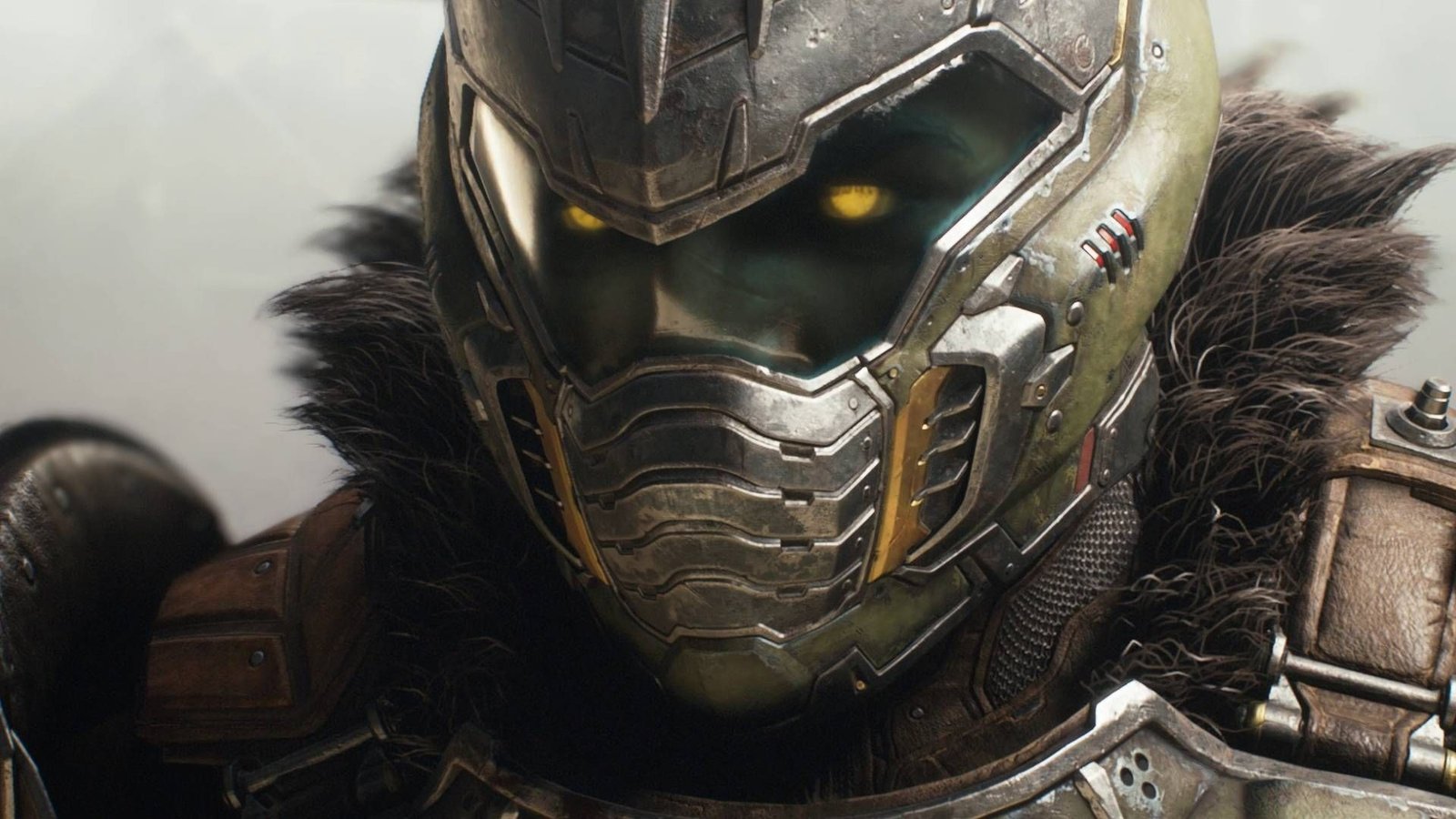
Doom: The Dark Ages DLC Promised to Be “Almost a Sequel”
The “Doom” series has always had a reputation: it knows what it wants and often delivers it without major compromises—speed, aggression, a clear rhythm, and a strong identity. It is therefore natural that any news about DLC for “Doom: The Dark Ages” immediately raises expectations. This time, attention was drawn to a development team representative’s statement that the DLC will be “freaking huge” and essentially similar to a sequel. That is a very strong choice of words, and it is worth interpreting correctly.
Statements like these often serve several purposes at once. First, they help capture the audience’s attention and establish a sense of “value” in advance—so the expansion is perceived not as an extra few hours of content, but as a larger package. Second, it signals creative ambition: DLC can be used not only to add new levels or weapons, but also to introduce broader design decisions, new story directions, or expansions to the game’s systems. However, it is worth remembering that the concept of being “huge” can mean different things in marketing—from the volume of content to the complexity of production.
For players, it is useful to know how to turn such headlines into practical decisions. If you enjoy “Doom”-style campaigns, the most important thing is to watch for clear criteria: how many new missions or locations will be included, whether the DLC will have a separate narrative arc, and whether it will introduce new mechanics that genuinely change the pace of the game. For now, it is worth noting one fact: the developers are deliberately raising expectations, which means they will later face pressure to prove that this is not just empty wordplay.
It is also important to consider what “almost like a sequel” means financially. DLC models vary: sometimes this means expansion-level content with a corresponding price, while in other cases it is a larger seasonal package. If you are planning your purchases, it is wise to wait for more specific information and reviews rather than deciding based on an emotional quote alone. This is also useful for the gaming community: the more clearly the content is defined, the easier it will be to avoid unrealistic expectations that later turn into disappointment.
Markiplier on the Success of “Iron Lung”: YouTubers and Hollywood’s Attitude
Gaming culture has long been intertwined with YouTube and streaming platforms, so stories about creators moving into film or television are often just as interesting to players as the games themselves. Today, attention was drawn to Markiplier’s comments that Hollywood had allegedly been “willfully ignoring” the potential of YouTubers until his film “Iron Lung” achieved a significant box-office result, reported as $50 million. This is not only a personal victory but also an illustration of a broader phenomenon.

Why does this matter to players? First, because of how IPs and audiences move. YouTube creators often have highly loyal communities accustomed to direct communication, a clear tone, and authenticity. When such a creator moves into traditional media, they bring not only their name but also their operating model: communication, marketing, behind-the-scenes sharing, and sometimes the ability to create an “event” without the machinery of a major studio. For the gaming industry, this is a reminder that the power of a community can also be used beyond gaming.
Second, this is related to risk and investment. Traditional studios often seek “safety”—familiar names, proven formats, and clear numbers. YouTube creators were treated cautiously for a long time because their success metrics—views, engagement, and community dynamics—do not always translate directly into ticket sales. This story shows that a bridge between platforms can work, but that does not mean every creator will automatically produce a box-office hit. Players should maintain a level-headed perspective: one example will not change the entire industry overnight, but it may influence decision-makers.
The practical advice here is simple: if you follow gaming content creators, it is worth watching how they manage their brands. Success stories like this often come from consistency—a clearly defined audience, regular content, and the ability to mobilize people to offer their support. For gaming communities, this is a signal that creators can become not only “reviewers” but also fully fledged producers or directors. For players themselves, it is a reminder that entertainment choices are increasingly becoming an “ecosystem” issue: we follow not only games but also the personalities surrounding them.
Three New Netflix Movies: What This Means for a Gamer’s Weekend
In the everyday lives of gamers, movies and TV series often serve a very practical purpose: they provide a “break” between sessions, background entertainment after intense raids, or simply a way to relax from the tension of competitive gaming. That is why recommendations such as “3 new Netflix movies worth watching this weekend” are increasingly appearing in gaming publication feeds as well. The source states that three movies newly added to the platform have been selected for weekend viewing—even if this is not direct gaming news, it has a clear connection to the audience’s habits.

What should you pay attention to when recommendations are presented in a “top 3” format? First, the genre and mood. This matters to players because different games leave different emotional “traces”: after intense PvP, many people look for calmer content, while after story-driven RPGs, they may want something lighter and shorter. Second, consider the runtime and the barrier to entry: sometimes movies that do not require a major commitment work best, especially if you plan to return to a game later that same evening.
Another angle is the broader entertainment market. Streaming platforms compete for attention just as aggressively as game publishers compete for players’ time. When new content arrives, it can genuinely affect how many people log into games over the weekend, when online activity peaks occur, and even how easy it is to find a team. This is especially relevant to games with time-limited events, weekend tournaments, or tests.
The practical value for players is that if you are planning your weekend, it is worth consciously arranging your schedule. For example, you could dedicate one evening to a more intense game and another to watching a movie and enjoying a lighter gaming session. Recommendations like these can serve as a simple reminder that rest and variety in entertainment increase long-term enjoyment of gaming itself. If you want to get more value from the list, it is worth reading the original recommendation and checking whether the suggested movies match your mood and available time.
“Marathon”: Understanding the Lockbox Key and Why It Matters
In the context of “Marathon,” much of today’s attention is focused on practical questions, and that is not surprising: in extraction games, information is almost as valuable as equipment. One of the topics mentioned is the Lockbox Key—a key connected to locked containers that often hold more valuable loot. The source emphasizes the genre’s core logic: every run should end with you returning with items, but in reality, both AI enemies and other players can bring everything to an abrupt end.
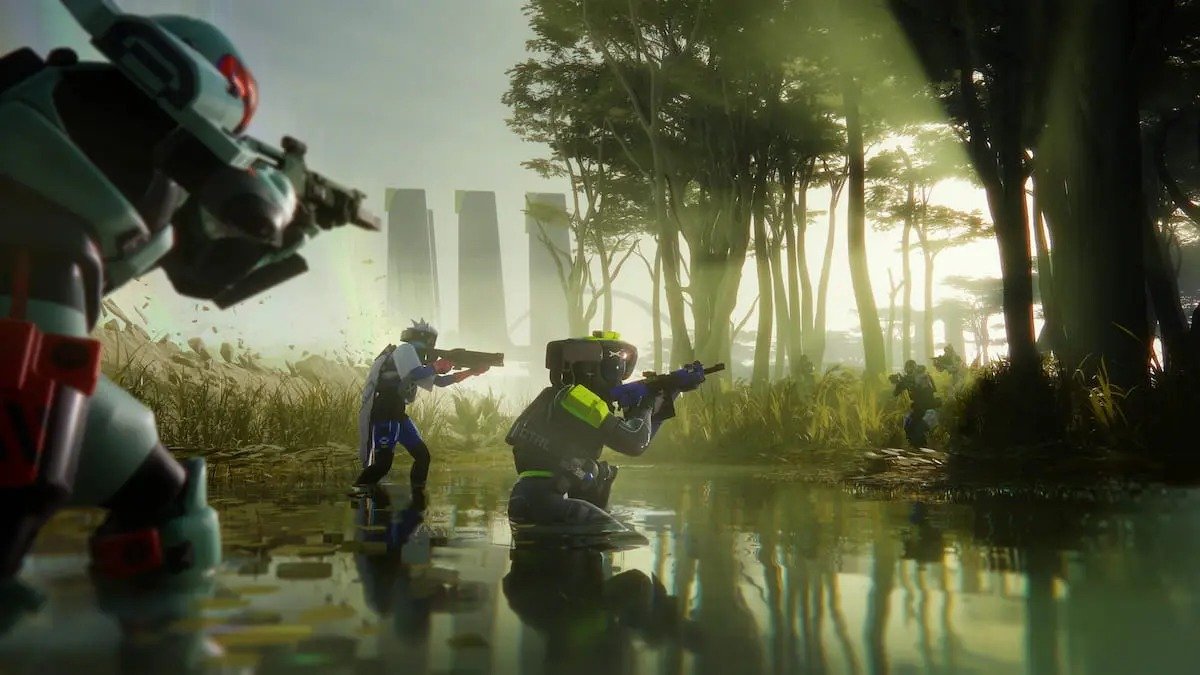
The most important thing for players to understand here is the risk-reward balance. Locked containers usually exist to encourage movement into more dangerous areas and force decisions involving noise, time, and route selection. If the key becomes your objective, you plan the run in advance: you weigh which loadout to bring, whether to play alone or with a team, and how much you are willing to risk for the potential reward. Even if the specific locations or methods vary, the underlying mindset remains the same.
Another practical aspect is inventory and objective management. A common mistake in extraction games is trying to “do everything” in a single run: accept a contract, look for a key, collect loot, and fight other players as well. If the source highlights a lockbox as a valuable point of interest, it is useful to treat it as a separate objective: dedicate one run to gathering information and extracting safely, then another to a specific attempt to reach the container once you feel prepared.
Finally, topics like these usually reveal how the meta develops during the early testing stages. When the community discovers convenient routes or effective strategies, they spread quickly and change the “temperature” of the game: certain locations become hotspots, ambushes become more frequent, and competition increases. Therefore, even if you only care about PvE or completing objectives, it is worth knowing that lockbox-type objects often attract more aggressive players. The practical advice is to monitor the overall risk level, adjust your route, and do not be afraid to withdraw if the situation is clearly unfavorable.
“Marathon” Contract: Scanning Sparkleaf Bioprinters in South Relay
Another “Marathon” topic is a specific contract requiring players to scan two Sparkleaf bioprinters in the South Relay area. The source emphasizes that South Relay itself is a named location on the map, but the exact positions of the objects are hidden, and their markers only appear when you get within approximately 20 meters. This design detail significantly changes the nature of the objective: instead of “run there and collect it,” it becomes a deliberate search involving risk.
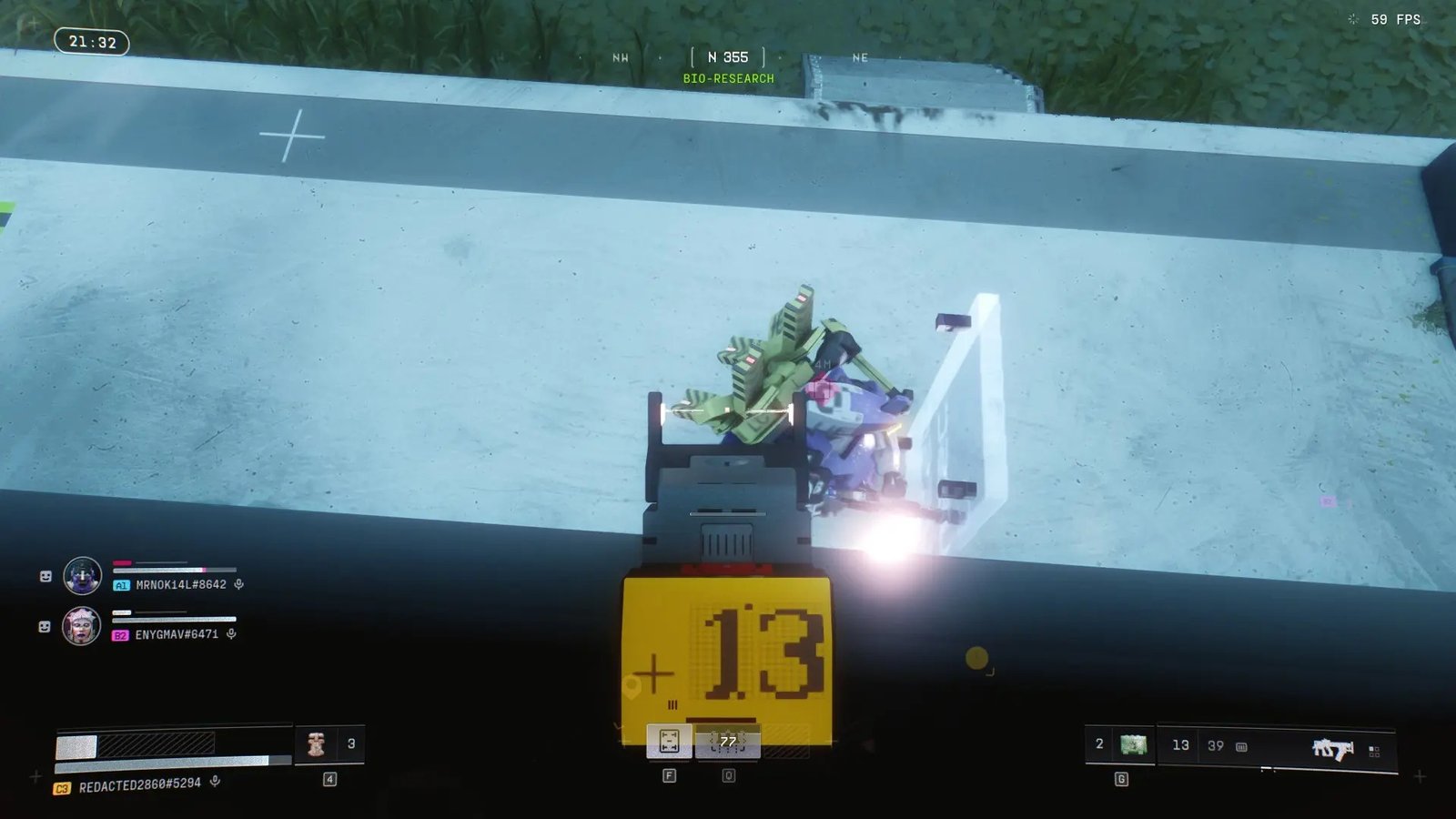
Players should understand what the developers are testing here. When markers do not guide you across the entire map, players must rely more heavily on their surroundings, route planning, team communication, and situational awareness. Objectives like these often encourage a slower pace: instead of sprinting directly toward the target, players need to methodically “sweep” the area by checking sectors, moving from cover to cover, and controlling entrances and corners.
Practical advice without speculating about exact coordinates: divide the area into smaller zones and conduct the search systematically. If you are playing with a team, decide who provides cover, who searches, and who is responsible for progressing the contract. If you are playing alone, it is worth adopting a more conservative approach: decide in advance when you will withdraw if noise or enemy contact continues for too long. Because the markers only appear at very close range, the most dangerous part is often not the interaction itself but the approach.
It is also important to remember the cost in time and resources. If a contract forces you to remain in one area for a prolonged period, the likelihood of being spotted by other players or attracting AI increases. That means it is worth preparing: carry enough healing supplies, plan an escape route, and avoid overloading your inventory to the point where it becomes difficult to make the decision to “drop some loot and save yourself.” In extraction games, getting out with less is better than losing everything.
Quantic Dream MOBA Launches During an Extremely Crowded Period: Risk and Visibility
The gaming calendar can sometimes seem paradoxical: everyone knows that major events and tests taking place at the same time consume attention, yet some projects still choose to launch during the busiest possible period. The source draws attention to Quantic Dream’s decision: the launch of its MOBA overlaps with the “Marathon” server slam, the first “Horizon Hunters Gather” playtest, and Steam Next Fest. That creates an almost guaranteed wall of noise through which it will be especially difficult to break.
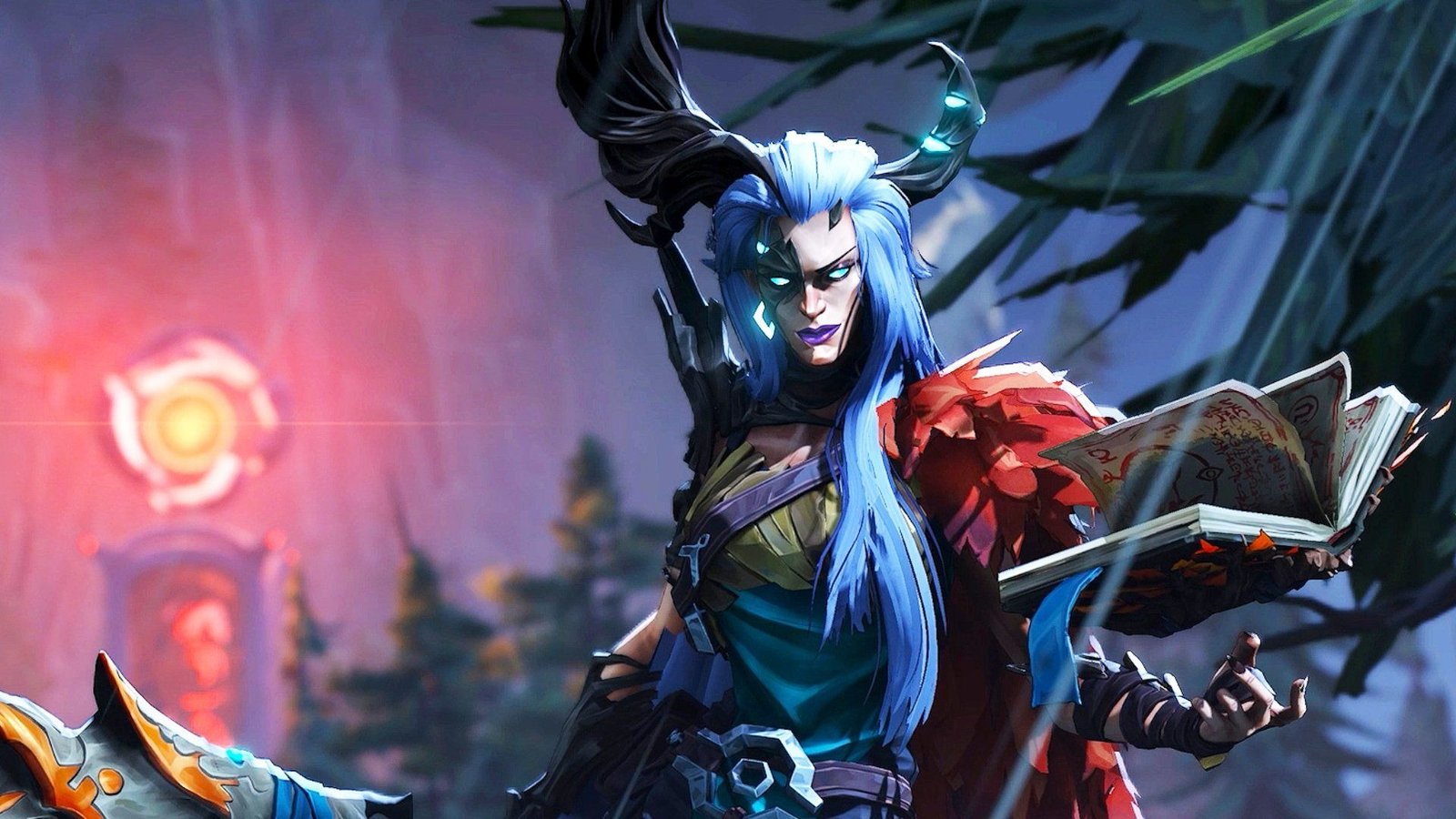
Why might a studio do this? Without making unsupported assumptions about internal motivations, we can discuss general market dynamics: developers sometimes choose a “ride the wave” strategy by launching when audiences are already actively looking for new experiences and browsing demos, tests, and lists. Steam Next Fest is particularly well known as a time when players deliberately try new games, so under certain conditions it can be an opportunity rather than a threat. However, the MOBA genre usually requires a critical mass of players to keep queues fast, matchmaking functional, and the community growing.
This matters to players for a very practical reason: the quality of an early-stage game often depends on whether enough people are playing it. If the audience is divided among several major events during launch, classic symptoms may appear—longer wait times, uneven skill levels, and a poorer first experience. On the other hand, if the game successfully hooks players, it can spread quickly through recommendations and streams during precisely this kind of noisy period.
What should players do if they want to try a new MOBA without being disappointed? It is worth approaching it as a test: accept that balance and stability may be inconsistent, and make your main goal determining whether you enjoy the game’s core—how the controls feel, hero design, and team fights. It is also useful to watch how quickly the developers respond to feedback. During a crowded launch window, responsiveness becomes an advantage because it builds trust and retains players who might otherwise simply move on to another event.
“Marathon”: Finding and Using DCON for Objectives
Another practical “Marathon” topic involves DCON—an object described as a drop-box-style point needed for various objectives and delivering materials. The source mentions that the server slam is receiving a great deal of attention and that a sense of purpose is essential to the extraction genre—clear objectives that encourage players to venture out and take risks. In such a system, DCON often becomes a bridge between runs, connecting what you do on the map with long-term progression.
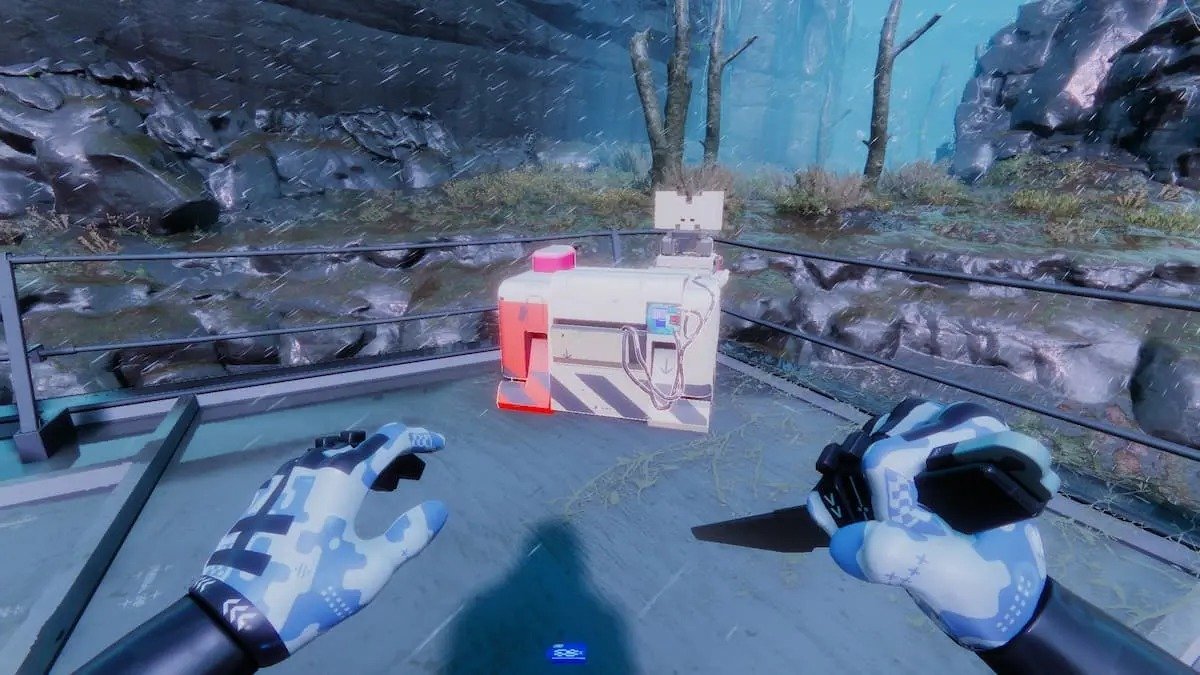
For players, the most valuable part is the underlying logic: if an objective requires DCON, you need to plan not only “where to go” but also “how to get out.” Drop-box-style points are often attractive not only to you but also to others simply because players are forced to visit them. Therefore, using DCON should be treated as a “higher-risk” action: even if the interaction itself is brief, the journey there and back should be planned as though a confrontation is already waiting for you.
Practical advice without inventing specific locations: prioritize information and control of the situation. Before approaching a point like this, take time to check the surrounding area, listen for gunfire or other sounds, and consider whether it is worth waiting for other players to leave. If the game allows it, choosing a route that provides more cover and alternative escape options is a smart move. If you are in a team, clearly divide the roles: who performs the interaction, who provides cover, and who watches the entrances.
Finally, DCON-style mechanics often reveal whether a game’s objectives are “interesting” or merely frustrating. If the community is searching for guides en masse, it means that a certain lack of information is being widely felt. This is not necessarily a bad thing: developers sometimes deliberately leave room for discovery. During testing, however, it is important for players to feel that they can learn and progress. Therefore, if you are trying “Marathon,” it is worth not only following guide recommendations but also noting what you found confusing—this may later be useful when providing feedback to the developers.
Delroy Lindo on the Possibility of Appearing in “Black Panther 3”
Although “Black Panther 3” is a movie topic, it is often relevant to gaming audiences through the broader context of the Marvel ecosystem. The source quotes actor Delroy Lindo, who reportedly told director Ryan Coogler that he would like to be in the film “if the stars line up.” This wording is cautious and realistic: it expresses interest without making a commitment or confirming any specific involvement.
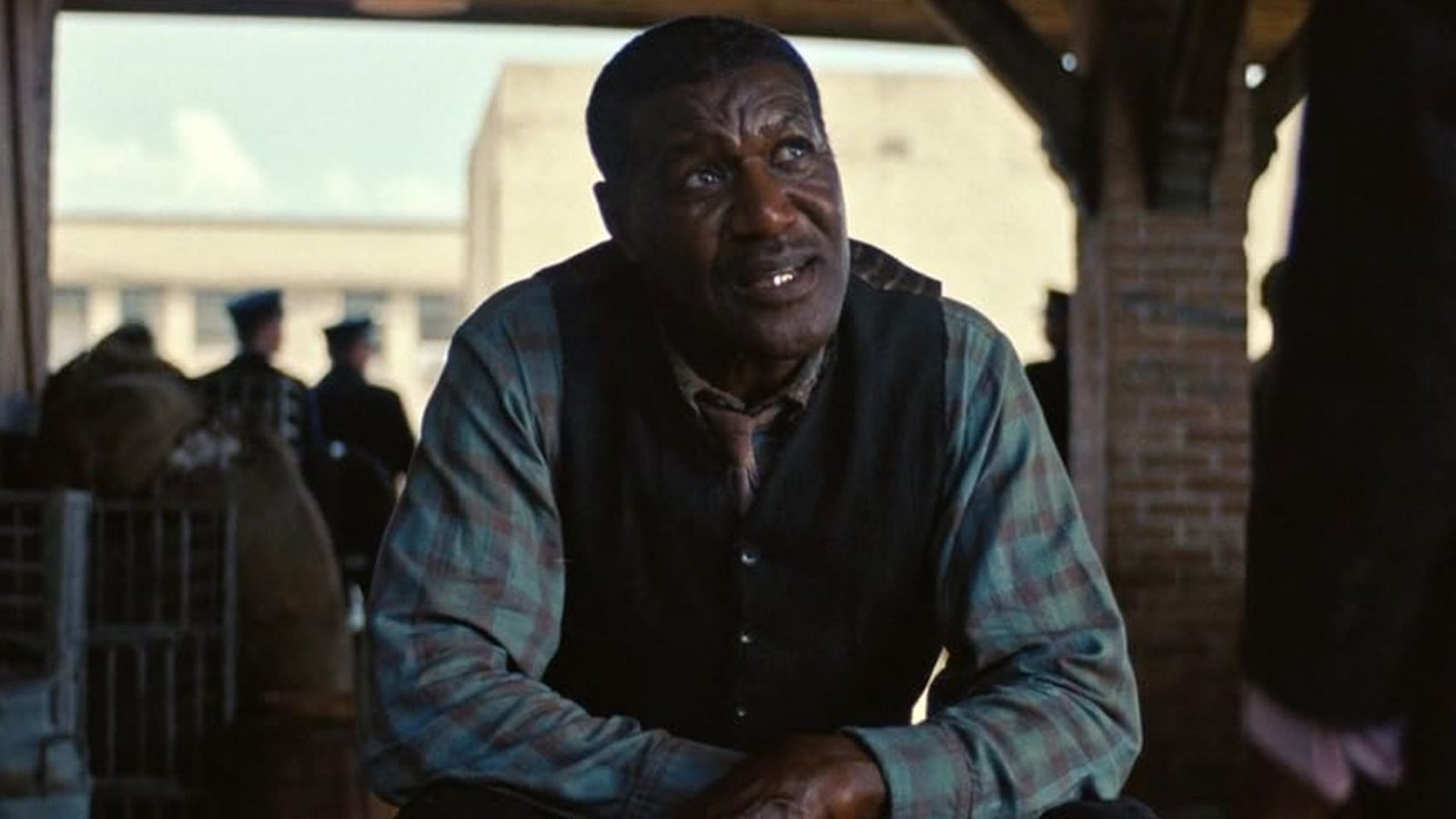
What is the gaming angle here? The Marvel franchise is one of the clearest examples of how IP travels across different forms of media: movies, TV series, comics, games, and merchandise. Even when a particular news story is not about a game, it can have indirect consequences. For example, as interest in a specific character or theme increases, demand for related interactive content may grow as well. For players who enjoy licensed projects, it is important to follow how actors’ and creators’ plans develop because this shapes the broader hype surrounding the franchise.
The practical conclusion here is to consume information cautiously. On social media, quotes like these often quickly turn into “confirmed” news, even though they are really only an expression of interest or a conversation. It is therefore worth following a simple rule: until there are official announcements, it is only a possibility. This is especially familiar in the gaming industry, from leaks to early hints that later change.
At the same time, this is a reminder that the gaming community increasingly exists in a hybrid space. One day, we discuss the scale of DLC for a shooter; the next, we talk about an actor’s desire to join a major franchise because the audiences overlap. If this interests you, the best practice is to follow reliable sources and distinguish comments from confirmed plans. This allows you to maintain realistic expectations and enjoy the news without unnecessary noise.
What Matters Most Today?
- The bar for DLC expectations: the “Doom: The Dark Ages” expansion is being presented as exceptionally large, so it is worth waiting for specific indicators of its scope and content rather than judging it based on an emotional quote alone.
- The power of community: Markiplier’s “Iron Lung” story is a reminder that audiences can shift their attention between platforms and that the “creator as a brand” is becoming increasingly important in the gaming market as well.
- Competition for attention over the weekend: new Netflix content genuinely competes with games for people’s time, so when planning sessions, it is useful to balance rest and gaming consciously.
- The “economy” of the extraction genre: the lockbox and key topic in “Marathon” demonstrates that value is often hidden behind risk and that planning a run—entry, objective, extraction—is more important than spontaneity.
- Search objectives without markers: scanning bioprinters with markers that only appear at close range encourages systematic searching and defined team roles rather than blindly running toward a location.
- The noise of the launch window: the launch of Quantic Dream’s MOBA alongside several major events means its visibility and initial player experience will depend heavily on achieving a critical mass of players.
- Objective “hotspots”: DCON-style objects often attract conflict, so before interacting with one, it is worth assessing the surrounding area, having an escape plan, and not becoming fixated on a single attempt.
- Filtering entertainment news: Delroy Lindo’s comment about “Black Panther 3” should be treated as a possibility rather than a confirmation—a good practice when dealing with gaming leaks as well.
- Clear criteria provide the most value: whether evaluating DLC, tests, or recommendations, players benefit most when they have their own assessment framework—content scope, stability, time investment, and risk.
What Should You Follow Next?
In the near future, it is worth watching whether the “Doom: The Dark Ages” DLC is presented with clear, measurable promises: its content structure, mechanical innovations, and the real “weight” of the campaign. The more specific the information becomes, the easier it will be to decide whether it is a must-have or simply a good addition for fans of the series.
In the case of “Marathon,” it is recommended to follow the community consensus on objective design: whether decisions such as markers appearing very late create an enjoyable challenge or unnecessary frustration. Details like these are often adjusted during testing, and player feedback can have a genuine impact.
Finally, if you are interested in new games and their launches, watch how Quantic Dream’s project performs through all the noise: whether it manages to maintain a steady flow of players and make a good first impression. A crowded event period is an effective litmus test—it quickly shows whether a game has a strong enough hook.
Sources
- GamesRadar: Doom: The Dark Ages DLC is "freaking huge," says director
- PC Gamer: Markiplier on Hollywood’s attitude and the “Iron Lung” box office
- GamesRadar: 3 new Netflix movies for the weekend
- Destructoid: How to get Lockbox Key in Marathon
- Destructoid: Scan Sparkleaf bioprinters in South Relay (Marathon)
- PC Gamer: Quantic Dream MOBA launch timing and competition
- Destructoid: How to find and use DCON in Marathon
- GamesRadar: Delroy Lindo on potentially appearing in “Black Panther 3”