
 LT
 DE

In recent days, an old debate has reignited: will Sony games come to PC, or will PlayStation exclusives once again be kept more firmly tied to consoles? The discussion was sparked by comments from Bloomberg journalist Jason Schreier, which were also picked up by gaming media. According to the reports, Sony may be “backing away” from the idea of aggressively bringing its console-only content to PC.
Although this is not an official announcement from Sony, the wording itself is significant. Over the past decade, the company was regarded as one of the biggest “walls” separating console and PC audiences, but recent years have brought an increasing number of ports to Steam and the Epic Games Store. Now, judging by the latest hints, that strategy could be adjusted.
For gamers, this raises some very practical questions: will we continue to see regular, high-quality adaptations from Nixxes? Will day-one releases, where the PC version launches on the same day as the PlayStation version, become rare? And what would this mean for PlayStation consoles, which remain at the heart of Sony’s ecosystem?
Will Sony games come to PC? What do the latest signals say?
The report in question is based on the view that Sony may become more cautious about bringing first-party exclusives to PC. It is important to understand the context: wording like this usually does not suggest a sudden “halt,” but rather a shift in priorities—for example, a longer wait for PC versions, fewer releases per year, or a clearer focus on selected franchises.
If Sony really is “backing away,” it does not necessarily mean that PC users will never receive anything else. Instead, it is more likely a signal that the company wants tighter control over when and how its biggest titles reach another platform—especially if there is a risk of affecting console sales, the value of PS Plus, or the production schedules of its studios.
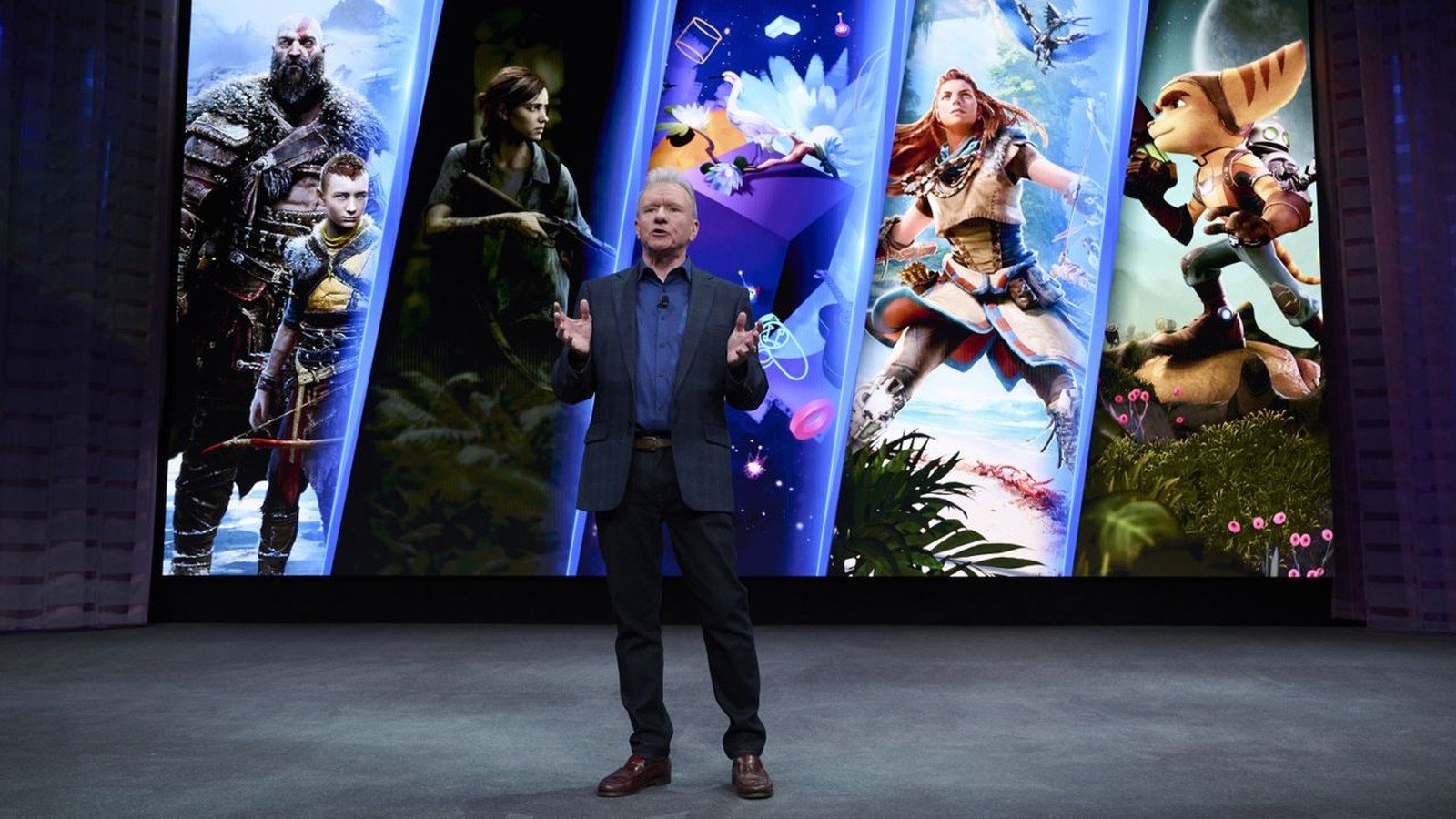
Another important detail is that the broader market is currently undergoing a strategic shift. Following major expansion costs and inconsistent sales results, some publishers are reviewing their investments: reducing risky projects, planning release windows more carefully, and seeking greater profitability. During such a period, a “console first, PC later” model may appear more attractive than a regular stream of ports.
How Sony arrived at its wave of PC ports: a brief overview
A few years ago, many people considered PlayStation exclusives coming to PC an almost impossible scenario. However, reality changed: ports such as “Horizon Zero Dawn,” “Days Gone,” “God of War,” “Marvel’s Spider-Man Remastered,” “Uncharted: Legacy of Thieves Collection,” “The Last of Us Part I,” “Returnal,” “Ratchet & Clank: Rift Apart,” and others reached the market. Some became success stories, while others faced criticism over optimization or technical problems at launch.
Equally important is the fact that Sony began investing in its PC publishing infrastructure: PlayStation PC branding appeared, cooperation with porting teams grew stronger, and the acquisition of Nixxes reinforced the company’s expertise in PC adaptations. In Sony’s eyes, the PC audience became not an “enemy,” but an additional source of revenue and a marketing channel capable of generating interest in future sequels on the PlayStation platform.
This model often worked as a “second sales cycle”: the game is sold on consoles during its highest-priced period, and then—one or two years later—a PC version arrives and generates a new wave of attention. PC players get the game, while Sony earns additional revenue from content that has already recouped its costs.
Why might Sony scale back its PC ambitions?
If Sony is genuinely changing direction, there may be several rational reasons for doing so, even if they are not publicly stated in a single sentence.
1) The value of the console ecosystem. The PlayStation ecosystem is about more than selling consoles. It also includes a digital store, subscriptions, microtransactions, partnerships, and user habits. If too many heavyweight exclusives come to PC, some players may decide that they do not need a PS5. Even if this represents only a small percentage of users, the financial risk could still appear significant.
2) The cost and complexity of ports. Modern AAA projects are technologically complex. The PC ecosystem is fragmented, with different processors, graphics cards, drivers, operating system versions, and monitor formats. Delivering a high-quality port requires time, testing, and post-launch support. If the company does not want to risk its reputation—especially after several high-profile technical launches across the industry—it may choose a slower, more controlled pace.
3) Internal studio priorities. Some studios are more comfortable developing for a single platform, taking advantage of specific console features and working toward a clear optimization target. If a PC version becomes “mandatory” too early, it may put pressure on planning, delay other work, or require additional teams.
4) Sales performance. Not every ported game achieves the same results in the PC market. Sometimes PC players wait for major discounts, while in other cases the port’s release window is unfavorable. If internal analysis shows that the return on investment for certain projects is lower than expected, it is natural for the strategy to be adjusted.
5) Lessons from live-service games. In recent years, the industry has become particularly sensitive to the risks of live-service projects: long development cycles, high costs, and unpredictable player retention. If the company decides to focus more heavily on traditional single-player AAA projects, it may redefine which platforms they launch on and when.
What this means for PC gamers: realistic scenarios
In the debate over will Sony games come to PC, the most important thing is not to jump to extremes. Even if the pace of PC ports slows down, that shift could take several very different forms.
Scenario A: a longer wait. Instead of a 12–18-month gap between the PlayStation and PC versions, the delay could once again move closer to 24–36 months. This would allow Sony to maintain a stronger console exclusivity window while using the PC release as a later marketing boost.
Scenario B: fewer major franchises. The company may choose to port only part of its catalog—for example, games that scale well with PC features such as ultrawide support, high frame rates, and modding community potential, or titles with a clear sequel on PlayStation that needs to build audience interest.
Scenario C: priority for multiplayer and cross-play. If the goal is an active community and long-term revenue, the PC platform can sometimes become essential because it offers a larger player base and more convenient social networking. However, this does not necessarily apply to every project, so the strategy may become more selective.
Scenario D: more collections and remasters. Instead of the newest games, the PC market may receive carefully prepared collections, updated versions, or “Complete Edition” bundles that can then be sold over a long period.
PlayStation games on PC: what does previous practice show?
So far, Sony’s actions have supported several conclusions. First, the company is not afraid of the PC platform itself—on the contrary, it has already built an established PlayStation PC audience. Second, Sony often chooses strategically “safe” moments: once the main console sales peak has passed, the PC version becomes an additional layer of revenue.
It is also notable that PC versions often arrive with technical improvements, including higher resolutions, unlocked frame rates, and additional graphics settings. This creates extra value for players who want the “best possible” experience. If Sony were to reduce the number of ports, the remaining releases would likely be even more carefully selected and polished—at least in theory.
On the other hand, the PC market is unforgiving: if a release has technical problems, Steam reviews and public opinion can quickly create a negative narrative. A more cautious pace could therefore also be a reputation management decision.
Will Sony games come to PC in the future? What to watch for
Players who want to understand whether this is short-term “noise” or a genuine change in direction should look beyond headlines and pay attention to specific signals.
Official announcements and financial reports. Strategic shifts at major companies are usually reflected in investor documents, which mention platform priorities, planned content distribution, and growth strategies. If the PC segment is mentioned less frequently or more cautiously, it could hint at a slower release schedule.
The structure of studio and publishing teams. If PC publishing divisions are expanding, that indicates a long-term commitment. If the company increasingly relies on contracted ports rather than permanent teams, it could suggest a more occasional approach.
The pipeline at Nixxes and other partners. The working rhythm of porting studios often reveals whether a consistent series of releases or only isolated projects is being planned. Longer gaps between launches may indicate that priorities have shifted.
The direction of PSN integration. If Sony wants to strengthen its ecosystem in the PC market, we may see more PlayStation Network integrations, account features, shared rewards, or cross-save support. If these initiatives slow down, that would be another indicator of a more cautious approach.
What players should do now: practical advice and managing expectations
For now, it is worth following a simple rule: PC ports are a possibility, not a guarantee. If you want a specific game, it is best not to assume that it will “definitely” come to PC based on previous examples, because the strategy may change.
If you play on PC: keep an eye on official release pages, wishlists, and reliable announcements, but avoid relying on rumors alone. It is also worth remembering that even confirmed ports sometimes arrive later than expected.
If you play on PlayStation: a potential move away from PC ports may mean that exclusives remain one of the platform’s strengths for longer. This may be relevant to players who buy a console specifically for single-player blockbuster experiences.
If you own both platforms: the strategic shift will primarily affect the question of “when.” Some games may be worth playing immediately on PlayStation, while others may be worth waiting for on PC because of technical improvements. It becomes a matter of personal priorities rather than simply a dilemma over “where it will launch.”
Conclusion: less noise, more facts
This report is important not because it provides a definitive answer, but because it serves as a reminder that platform strategies are not static. Even successful decisions are adjusted as market conditions, costs, consumer behavior, and the company’s own objectives change.
The answer to the question will Sony games come to PC will most likely continue to be “yes, but not always and not immediately.” How long “not immediately” will mean remains to be seen from upcoming official plans, the release schedule, and how Sony views the value of the PlayStation ecosystem in the years ahead.