
 LT
 DE
Today’s daily gaming news revolves around two very different but equally relevant issues for players: how live-service games are increasingly reshaping progression and economies, and how major publishers are trying to manage and monetize community-created content. On one side, Bungie is introducing Marathon seasons with a mandatory “fresh start,” while on the other, The Sims 4 plans to expand its Marketplace and introduce paid mods. Both cases force players to reconsider their time, investments, and what a “constantly updated” game truly means.
At the same time, the news cycle also reveals the broader industry context: cultural figures important to fan communities are sharing personal challenges, long-running franchises are looking for ways to celebrate anniversaries and remain relevant, and popular competitive games continue to fuel enthusiasm for cosmetics and collecting. It is also a reminder that games do not exist in an isolated bubble—they are connected to movies, technology, law enforcement, developer decisions, and players’ own habits.
Below is an overview of eight topics, with clear explanations of why they matter and practical advice on how players can respond. Where possible, I highlight the consequences of these decisions: what a seasonal wipe means, how to approach the third-party key market, what to expect from paid mods, and how to stay informed while stories are still developing.

Bruce Campbell’s health update and what it means for Evil Dead fans
PC Gamer reports that Bruce Campbell has revealed he was diagnosed with cancer that, according to him, is treatable but not completely curable. The most important detail for players is not the sensational aspect of the story but its tone: the actor emphasizes his determination to fight and expects to “be around for a while,” planning to spend the summer recovering before touring with the new film Ernie & Emma in the fall.
Although this news comes from the movie and TV world, it also affects gaming communities because the Evil Dead franchise has its own place in games and fan culture. Familiar faces like Campbell often become more than just the promotional “face” of a character—they become part of a community’s identity, especially in the horror genre, where an authentic tone and charisma frequently account for half of the experience.
From a practical perspective, fans should separate two things: first, a person’s privacy and health are more important than project schedules; second, official plans for a franchise’s future often depend on numerous factors, so one statement should not be used to draw sweeping conclusions about game content or future announcements. This is especially relevant when news quickly turns into rumors on social media.
If you are an Evil Dead fan, the most meaningful response is to support the person and consume information critically: rely on the original source rather than retellings, and avoid speculation. If you want to engage with the topic through gaming, you can simply revisit your favorite moments from the franchise’s games or the atmosphere of its movies—without placing additional pressure on developers or actors.
Bungie unveils Marathon’s first season: progression will be wiped every 3 months
PC Gamer highlights Bungie’s confirmation that Marathon seasons will involve a mandatory wipe—loot and progression will be reset every three months, with the entire community starting over. One important detail is that this is not an optional feature. In other words, even if you play slowly, there will be no way to preserve your old progression and continue at the same pace after a season ends.

This type of decision has a clear purpose in the extraction shooter genre: to level the playing field, refresh the economy, and create periodic “fresh start” moments when players return, activity increases, and the gap between veterans and newcomers shrinks. However, it also raises questions about motivation: if some progression does not persist, players begin to value not “what I accumulated” but “what I experienced” and “what I learned” during the season.
Practical advice: if this system causes you stress, plan your playtime around the season rather than permanent account progression. This means deliberately choosing goals—such as learning weapon handling, map landmarks, and team communication—that remain part of your skill set even when the numbers or inventory are wiped. In other words, invest in player skill rather than only in your player stash.
It is also worth aligning expectations with friends or clan members in advance: a seasonal wipe can be a great reason for everyone to return at the same time, but it can also disrupt a team’s rhythm if some people play heavily at the beginning of the season while others only join near the end. A clear agreement about how much and when you play often reduces frustration more effectively than any balance adjustment.
Finally, watch how Bungie communicates what remains between seasons. Even when loot and progression are wiped, some games preserve cosmetics, achievement history, or another layer of metaprogression. Until more details are available, it makes sense to maintain a neutral position: judge the system by the rules that are actually announced rather than the worst- or best-case scenarios that discussions often exaggerate.
Marathon seasons promise free content for everyone: what this could mean for players
GamesRadar reports that Marathon seasonal updates will make everyone “start fresh” each season, while Bungie promises new features, events, and gear that will be “free for all.” This wording matters because it suggests that at least some content will not be locked behind additional payments simply because a new season has begun.

For players, these are two simultaneous trends: the wipe creates pressure to grind again, while the “free for all” promise could be an attempt to reduce frustration and keep the community united. If the game receives frequent events and additions, players will have more reasons to return, but they will also face more information overload—what is worth doing, what is available for a limited time, and what offers the greatest value.
The practical approach here is simple: do not try to consume everything at the beginning of a season. Instead, create a list of priorities: (1) what helps you survive and play better, (2) what is fun and suits your style, and (3) what is purely cosmetic or related to collecting. This makes it easier to avoid feeling as though the game is dragging you around by a leash through daily objectives.
Another consideration is the economy and balance. When every season introduces new equipment or systems, the meta may change more quickly, which is especially noticeable in a PvP environment. If you dislike constant changes, it may be worth waiting for the first wave of impressions and patches: the opening weeks often reveal what genuinely works and what will be adjusted once the developers see real data.
Resident Evil Requiem spotlight: an overview of 30 years of horror evolution
GamesRadar presents an “On the Radar” coverage hub dedicated to Resident Evil Requiem and the franchise itself, which has evolved over 30 years from claustrophobic survival horror to more action-heavy eras and back again. These types of hubs are often not an explosion of new information but a convenient guide showing where to find the most important highlights, analysis, and context in one place.

This is useful for players because Resident Evil is a franchise with clearly defined turning points: some people prefer limited resources, tension, and a slow pace, while others favor dynamic combat and cinematic presentation. When discussing a celebration or retrospective, it is worth remembering how different installments addressed the same problem: how to preserve fear when the player is already experienced and knows the genre’s tricks.
Practical advice if you want to prepare for the franchise’s next developments: revisit games from several different eras, without necessarily playing everything from beginning to end. Consider what appeals to you most—the atmosphere, puzzles, combat pacing, camera work, or resource management. This will help you understand what you expect from the future and why other fans may want something completely different.
It is also worth paying attention to how the media describes the franchise’s “scariest situations” or “best moments.” Sometimes these descriptions reveal which design choices work universally: sound design, limited information, unexpected pacing, and uncertainty surrounding a threat. Even if details about Requiem remain vague, the discussion about survival horror itself can be an excellent opportunity to reconsider why the genre is still alive.
Rainbow Six Siege Operation Silent Hunt: Black Ice Pack cosmetics and how to obtain them
Destructoid reports that the new Rainbow Six Siege season, Operation Silent Hunt, has already launched and introduces Black Ice Packs that provide unique weapon cosmetic variants. The article also mentions the season’s major highlight—a new operator—but in players’ daily routines, the cosmetics cycle is often what they notice most: where to obtain the items, how long it will take, and whether the process fits the time they have available.
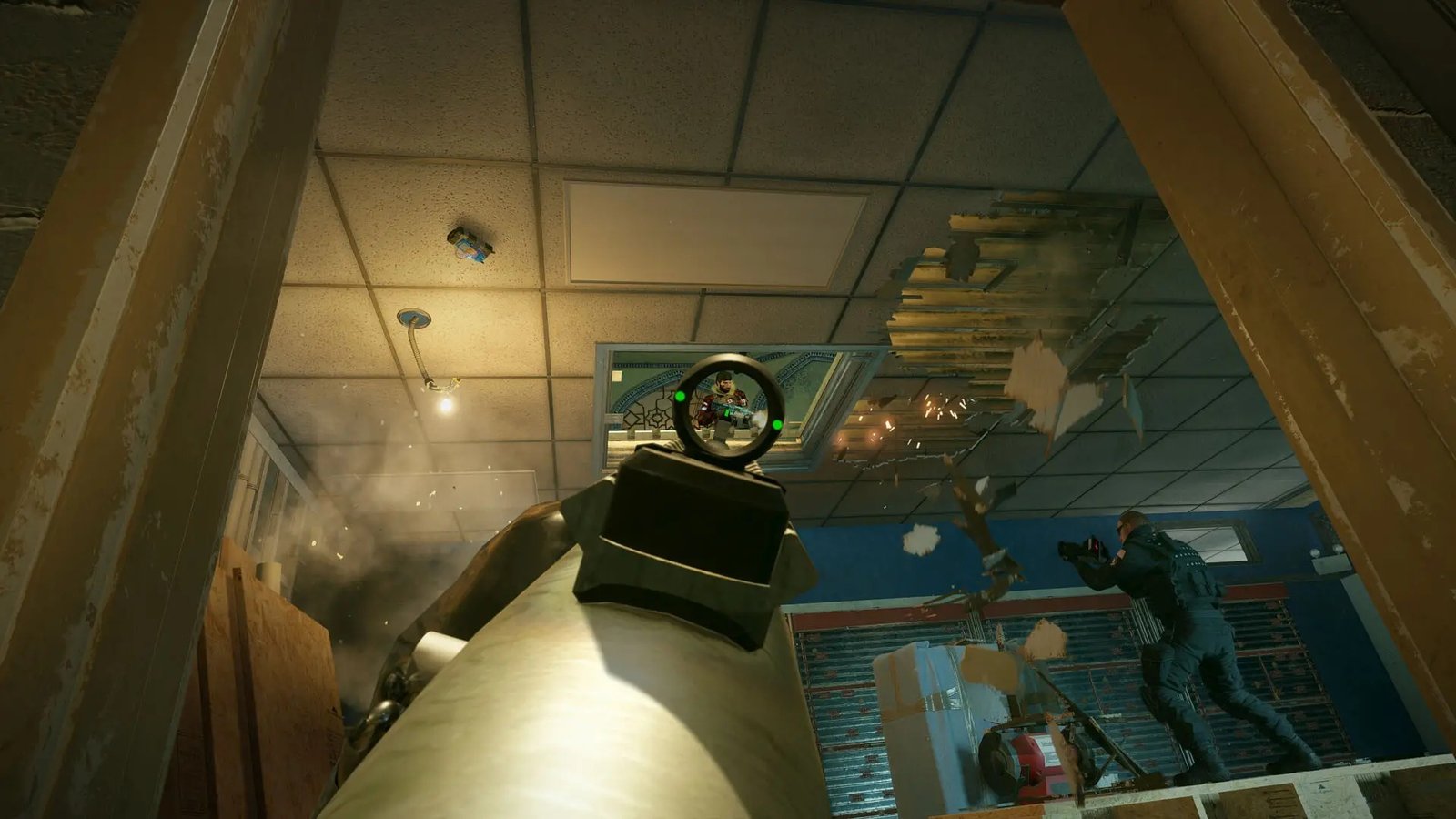
The Black Ice name has become a type of status symbol within the Siege community, so new packs usually trigger two reactions: a hunt among collectors and fatigue among skeptics. It is important to remember that cosmetics do not change weapon accuracy or tactical capabilities—they change how you feel and express your identity. If that brings you joy, collecting can be a valid part of the game; if it does not, there is no reason to feel FOMO.
Practical advice: before dedicating time to the grind, determine how the cosmetics are actually distributed—the Destructoid article provides specific explanations and lists of acquisition methods. In games like Siege, cosmetics often come from several sources: limited-time events, seasonal rewards, the store, or other systems. Each route has its own cost, whether in money or time.
Finally, remember the main objective of the game: gathering information, positioning, and team coordination win rounds, not a weapon skin. If you notice that hunting for cosmetics is becoming irritating or throwing your playtime out of balance, try setting a rule: first play several serious matches with a specific learning objective, and only then spend additional time pursuing cosmetics. This makes collecting an extra rather than an obligation.
Court ruling on stolen Windows keys: what it signals to PC gamers
PC Gamer reports on a case in which a Florida woman was sentenced to 22 months in prison for conspiring to traffic thousands of stolen Windows 10 and MS Office keys using Certificate of Authenticity stickers. Although this is not gaming news in the narrowest sense, it is directly connected to the PC ecosystem, where cheap keys and the gray market have long been risky subjects.
This story matters to players because the legality, security, and stability of computer software provide the foundation for everything else, from drivers to launching games. Prices that appear “too good to be true” often represent not an incredible discount but a risk: a key may be stolen, illegally resold, or deactivated later, while the “purchase” may also involve questionable distribution channels.
The practical advice is simple but frequently ignored: if you are buying an operating system or office suite, choose official or clearly verified sellers rather than random listings. If you are still considering the third-party market, check whether the seller clearly states the license’s origin and type, whether they provide an invoice or receipt, and what the refund conditions are. Vague answers are a red flag here.
Another consideration is the moral and community impact. The gray market may look like a way to save money, but in reality it supports schemes that harm consumers and increase the scale of fraud. We see similar problems in the gaming industry with account trading and boosting services. This court ruling serves as a reminder: when a transaction passes through questionable chains, someone usually loses—and it is often the end user.
14 Marathon tips for Tau Ceti beginners: how to think like an extraction shooter player
GamesRadar shares 14 tips and tricks for new Marathon players in the context of Tau Ceti, emphasizing that it is a challenging extraction shooter. In games like this, you often lose not because of poor aim but because of your decisions: when to take risks, when to retreat, what to carry, what to leave behind, and how to read a situation through sounds and movement patterns.
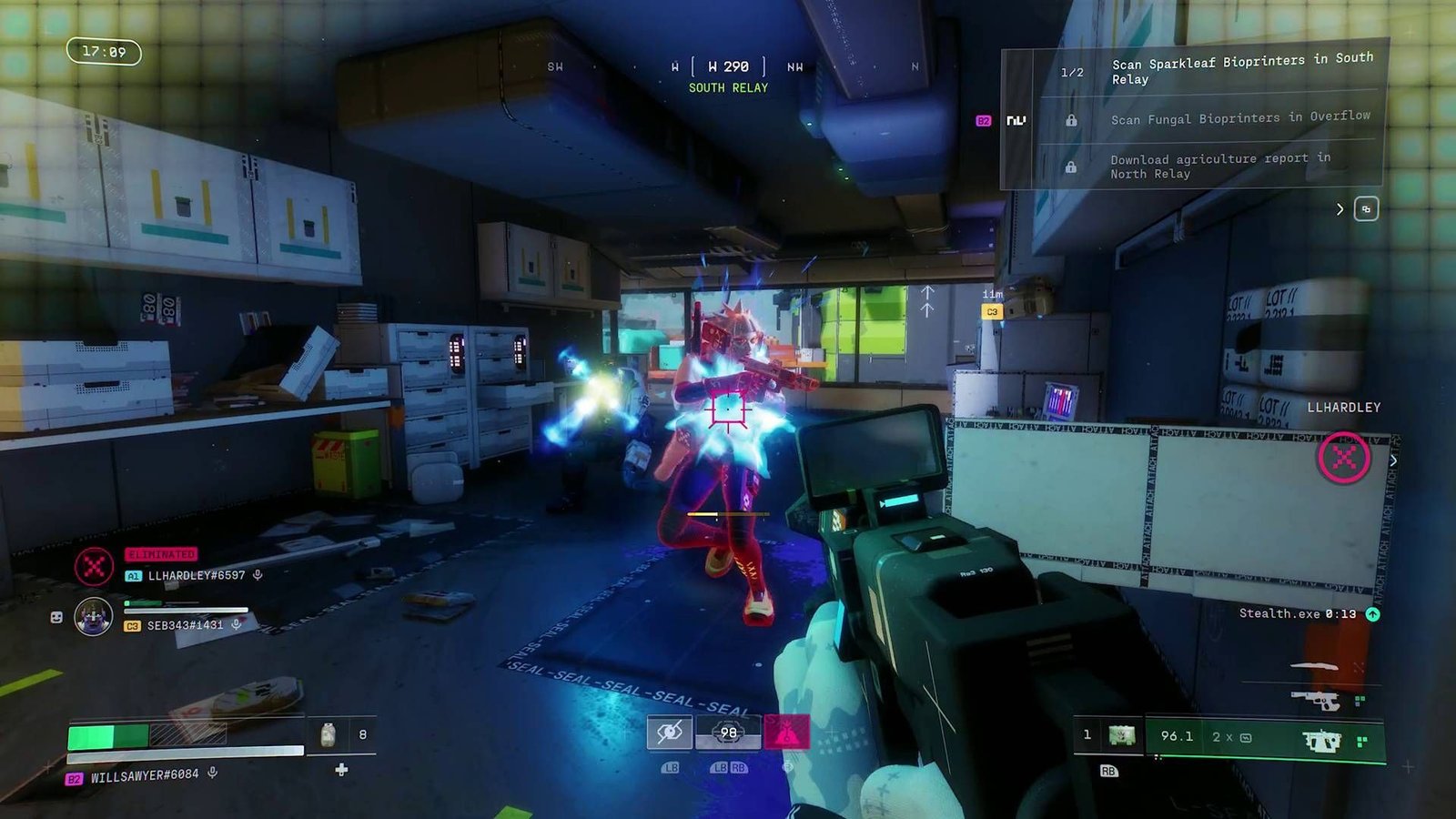
If you are a newcomer, one of the most important habits is reducing the number of unknown variables. This means playing shorter runs with a clear objective—such as finding landmarks or testing a weapon—rather than attempting to do everything in a single run. The more things you try to control, the easier it is to panic when something changes—and that happens constantly in the extraction genre.
Another practical principle is to treat equipment as a tool for learning rather than a trophy. Because today’s news also discusses seasonal wipes, it becomes even more important to learn how to let go of lost loot without falling into an emotional spiral. A good player is someone who can calmly answer two questions after a failure: what did I learn, and what will I do differently next time?
Finally, the social factor is often decisive in extraction shooters. Even if you play as a duo or trio, agree on simple roles: who watches the flank, who calls out sounds, and who makes the decision to retreat. When communication is clear, even a team with weaker equipment can defeat a chaotic but heavily geared squad. This is one of those skills that remains with you even when the season changes.
The Sims 4 Marketplace and paid mods: why they are controversial and how to prepare
GamesRadar reports that The Sims 4 Marketplace is coming with the concept of paid mods, while the headline points out that some fans have already spent a great deal of money on DLC. The fact that community-created content may be monetized more officially generates mixed reactions for many people: some see an opportunity for creators to be compensated, while others see a threat to open modding culture and a source of further fragmentation.

The most important thing for players to understand is that “paid mods” can take several forms. One scenario involves carefully selected and moderated content, with rules, quality standards, and accountability for issues such as updates or compatibility. Another is a situation in which the Marketplace becomes yet another store layer, raising questions about pricing, authorship, and whether free alternatives will be pushed to the margins.
Practical advice: if you use mods, prepare for the process rather than focusing only on the content. Establish an organized mod management system with backups, separate folders, and clear names; follow update notes after major patches; and do not rush to buy anything before the rules are clear. Even a well-maintained Marketplace will not avoid compatibility problems when the game changes and mod creators need to respond.
It is also worth deciding on your personal limit in advance. If The Sims is a creative platform for you, it may make sense to support creators for high-quality work. If you are already tired of the game’s microeconomy, choose a minimalist strategy: stick with a few trusted creators and evaluate everything else critically. This helps preserve the joy of the game and prevents you from getting lost among hundreds of offers whose value is difficult to verify in advance.
What matters most today?
- Marathon’s seasonal wipe is not optional: if you plan to invest time, consider whether cyclical progression and a periodic fresh start every three months suit you.
- Skills matter more than inventory: in the extraction shooter genre, map knowledge, communication, and decision-making remain valuable for the longest, so it is worth practicing deliberately rather than only accumulating loot.
- Promises of free seasonal content sound good, but wait for the rules: the “free for all” wording could refer to several different models, so make purchasing decisions only after seeing the actual details.
- Resident Evil retrospectives help set expectations: the franchise has changed direction several times over 30 years, so it is worth clearly understanding what type of horror you personally enjoy rather than simply following the general consensus.
- Rainbow Six Siege cosmetics are an extra, not a victory condition: hunting for Black Ice items can be fun, but it is best combined with learning objectives so it does not become a source of FOMO.
- The third-party key market remains risky: the court case involving stolen Windows and Office keys is a reminder that “cheap” may mean deactivation, fraud, or support for illegal schemes.
- Paid The Sims 4 mods are changing the modding ecosystem: players should monitor moderation rules, pricing, and compatibility practices to ensure that “convenience” does not create additional problems.
- Information hygiene is especially important today: whether discussing health issues or in-game economies, it is worth relying on primary sources and avoiding hasty conclusions based on headlines.
- Planning your time around seasons reduces stress: when progression is cyclical, it helps to have a clear seasonal objective—such as developing a skill, gaining experience, or participating in events—rather than the vague feeling that you “need to complete everything.”
What should you follow next?
First, follow Bungie’s communication about what remains between seasons in Marathon: whether there will be metaprogression, how the economy will be managed, and how frequently balance updates will be released. This will determine whether the wipe is perceived as a healthy reset or as a constant obligation to return to the same cycle.
Second, follow the rules of The Sims 4 Marketplace and the developers’ policies: how content will be reviewed, how authorship disputes will be resolved, how compatibility will be maintained after updates, and whether the free modding scene will remain accessible to the average player.
Finally, watch how seasonal models and cosmetics-driven economies affect the tone of their communities. Some players enjoy cycles and collecting, while others seek stability. The more clearly developers communicate boundaries and value, the less disappointment there will be when the hype gives way to the daily routine.
Sources
- PC Gamer: Bruce Campbell’s health diagnosis
- PC Gamer: Marathon seasons and mandatory wipes
- GamesRadar: Marathon features that are “free for all”
- GamesRadar: Resident Evil Requiem “On the Radar” hub
- Destructoid: Rainbow Six Siege Black Ice Pack cosmetics
- PC Gamer: Overview of the stolen Windows and Office keys case
- GamesRadar: 14 Marathon tips for beginners
- GamesRadar: The Sims 4 Marketplace and paid mods