
 LT
 DE
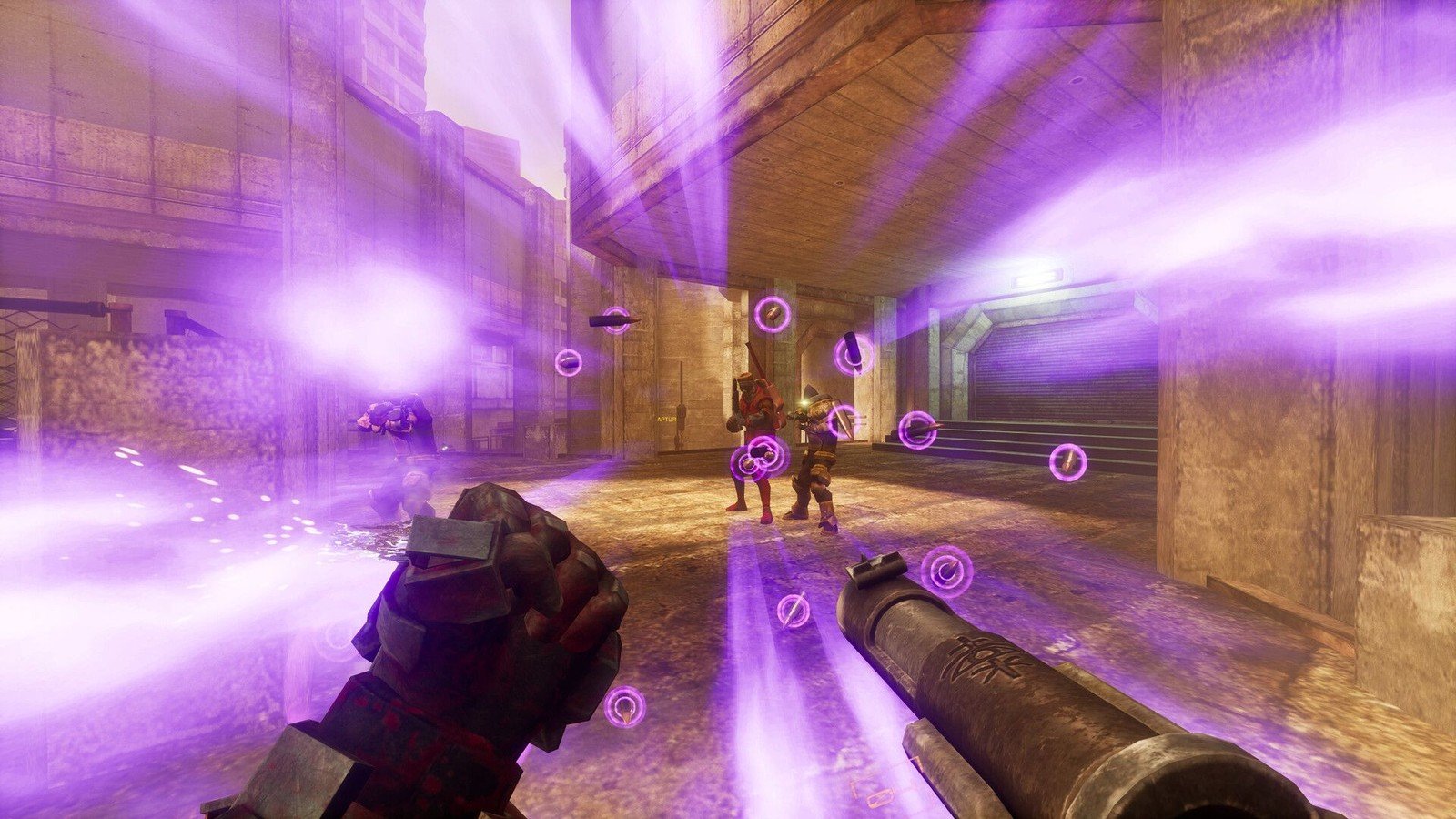
“Sprawl Zero release date” is a question that naturally arises following the latest impressions of the project in international media: “Sprawl: Zero” is presented as an FPS sequel that deliberately moves away from “boomer shooter” nostalgia and toward a mid-2000s style built around story and atmospheric action.
The new information is fundamentally simple but significant: the developers—and the gaming press emphasizes this—openly cite titles such as “Halo,” “F.E.A.R.” and “Half-Life 2” as inspirations for “Sprawl: Zero.” This is not merely an appealing marketing line—it is a hint at the pace, level design and atmosphere players can expect.
In this context, the term “millennial FPS” sounds like an attempt to define a game that combines cinematic presentation, a clear single-player backbone, a well-crafted feel to its weapons and a campaign structure reminiscent of that era. In other words, the game wants to look and feel like it comes from a time when single-player shooters were major events rather than merely additions to a long live-service journey.
What Kind of Game Is “Sprawl: Zero”?
“Sprawl: Zero” is presented as a sequel to “Sprawl,” but its messaging emphasizes not “another retro shooter,” but a more deliberate step toward a different category of nostalgia—the FPS style of 2000–2007, when storylines, memorable missions and technological “wow” factors such as lighting, sound, physics and AI tricks were all part of the package.
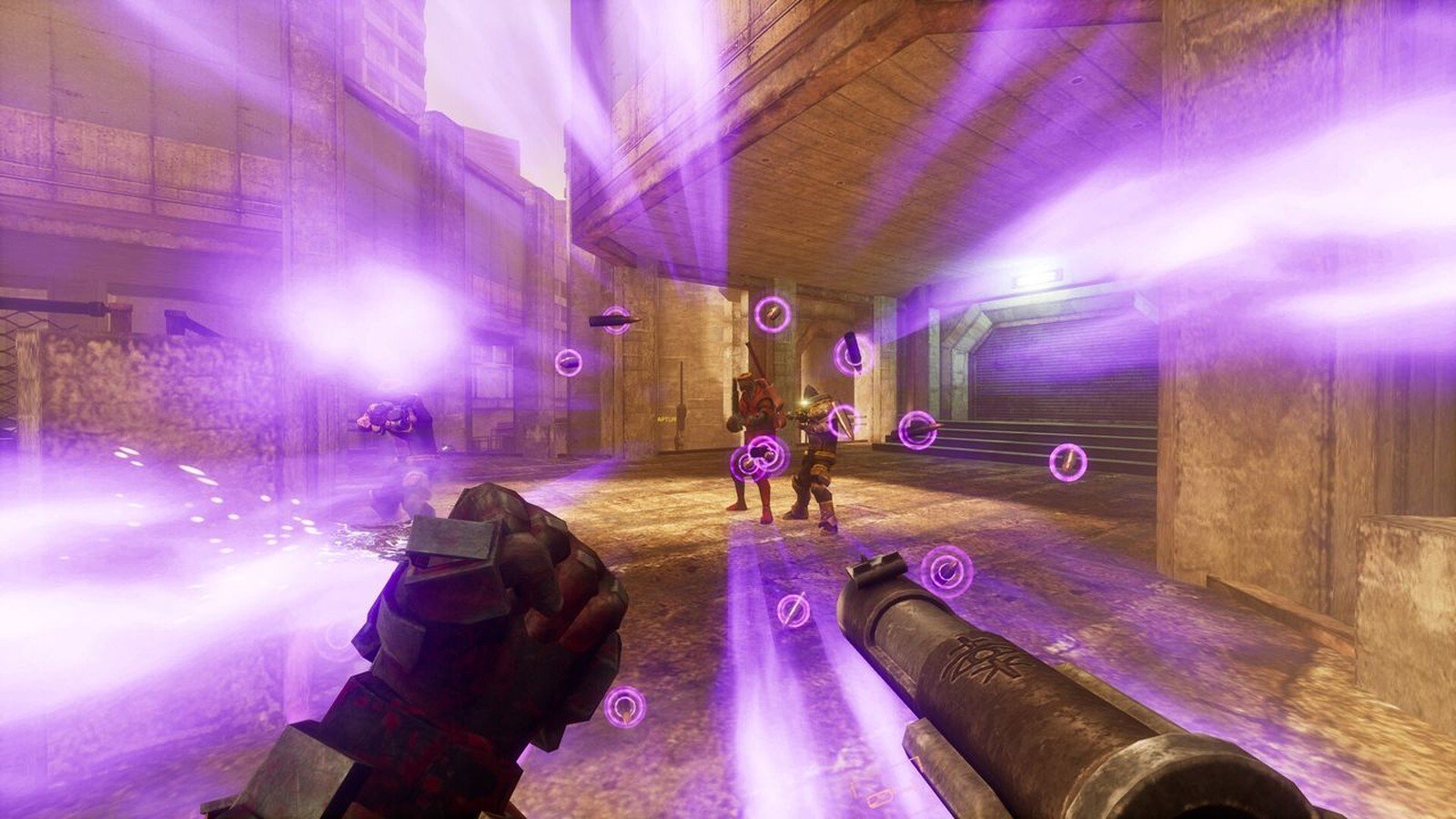
The gaming press describes this shift as a farewell to the “boomer shooter” wave, which in recent years brought back extremely fast pacing, arena-style encounters and deliberately primitive aesthetics. Judging by its publicly stated inspirations, “Sprawl: Zero” is aiming for something different: more atmosphere, more carefully directed action, clearer narrative pacing and a more refined campaign flow.
It is worth emphasizing that a list of inspirations alone does not guarantee any specific mechanics, but it does help explain the game’s creative compass. “Halo” is often associated with smooth controls, clearly readable encounters and a satisfying shooting rhythm; “F.E.A.R.” with distinctive enemy AI, brutality and a tense atmosphere; and “Half-Life 2” with environmental storytelling and levels that continually change the situation.
Sprawl Zero Release Date: What We Know Now
The biggest question—and, from an SEO perspective, the most commonly searched topic—is the “Sprawl Zero release date.” The news currently being discussed publicly emphasizes not a specific calendar date, but the game’s direction and identity: what it wants to be and where it draws its ideas from. In other words, the focus is on positioning rather than the precise moment of release.
In situations like this, it is usually helpful to distinguish between two things: (1) an officially confirmed date or release window and (2) media interpretations and expectations. If a date has not yet been announced, it is best to take a conservative approach: do not elevate speculation to the level of fact, and follow the channels where the date is most likely to appear first, such as publisher or developer announcements, official store pages and verified media reports.
In practice, a “release date” often first appears as a broader release window, such as a quarter or year, before later becoming a specific day. As development approaches completion, more signals usually begin to emerge: pre-orders, published system requirements, confirmation of “gold” status or review embargoes for content creators.
If you do not want to miss the moment when the “Sprawl Zero” release date is confirmed, it is worth establishing a simple routine: add the game to your wishlist on your preferred platform, follow its official accounts and occasionally check whether its description has been updated. This is particularly relevant for games that build momentum through demos, events or gradual reveals.
Halo, F.E.A.R. and Half-Life 2 Influences: Why They Matter
Developers rarely identify such a direct “trinity” of games to define expectations. In an FPS context, the name “Halo” often implies a clear balance of pacing: comfortable movement, easy-to-understand weapon logic, transparent encounter design and “hero” moments in which the player feels powerful but not immortal.
“F.E.A.R.” brings a different promise—not only fast shooting, but also an emphasis on how enemies behave. The game is still frequently mentioned as an example of how to create encounters that put pressure on the player: enemies maneuver, attempt to flank, force players to change positions and turn the combat environment into part of the mechanics rather than mere decoration.
The connotations of “Half-Life 2” are usually linked to storytelling through level design and constantly changing situations: not simply corridor–arena–corridor, but a journey through locations that feel like part of a larger world. If “Sprawl: Zero” is genuinely pursuing this spirit, it could mean greater attention to pacing, set pieces, environmental details that “speak” to the player and the campaign’s overall memorability.
What Does “Millennial FPS” Mean and Why Has the Term Caught On?
The “boomer shooter” wave was straightforward: a return to the speed of the 1990s, old-school roots and deliberately intense pacing. “Millennial FPS” sounds like an attempt to describe the next stage of nostalgia—a period when the FPS genre already featured more modern controls, stronger storytelling and advances in graphics and sound that made it possible to create more cinematic experiences.
For many players, the mid-2000s are associated with campaigns that were enjoyable not only because of their weapons, but also because of their “moments”: memorable mission structures, distinctive enemy types, scripted events and atmosphere. This approach is often more focused on a single-player adventure than on endless progression or seasonal updates.
If “Sprawl: Zero” is genuinely targeting this feeling, it could become an interesting compromise: modern enough to feel comfortable today, but “classic” enough to recall a time when a single-player FPS could be a cultural event. That is the essence the term attempts to capture—not an age group, but a design philosophy.
What to Expect From “Sprawl: Zero” Game Design
Although the news focuses on the game’s inspirations, they allow us to cautiously predict several possible directions. The first is the overall “feel”: in an FPS, the most important elements are how weapons look and sound, how targets react, the rhythm of the recoil and how quickly the player can understand what is happening. The influence of “Halo” and “F.E.A.R.” would suggest an emphasis on readability and satisfying gunplay.
The second is encounter direction. Inspiration from “Half-Life 2” often means that a game will continually attempt to rearrange the scene: one section might emphasize combat intensity, another a journey through the environment and a third an unexpected twist that changes the objective. This type of structure helps prevent monotony and creates a sense of “traveling” rather than simply clearing a level.
The third is atmosphere and tension. The reputation of “F.E.A.R.” is associated not only with shooting, but also with how the game creates anxiety: lighting, sound and unexpected stretches of silence in which players begin to imagine threats themselves. If “Sprawl: Zero” adopts even part of this approach, we can expect more atmosphere and less pure “adrenaline-fueled noise.”
The fourth is level design in which more matters than simply following a straight line toward the objective. Mid-2000s FPS games often allowed players to search for alternative routes, provided clear points of orientation and created spaces that encouraged exploration. This does not necessarily mean an open world—it is more likely to mean purposeful, well-constructed scenes in which players feel like they are in a real place rather than inside a “game tunnel.”
Sprawl Zero Release Date and Expectations: Why the News Is Worth Following
Even if the “Sprawl Zero release date” has not yet been clearly specified, the game’s direction is already creating expectations. In recent years, the FPS market has expanded toward two extremes: on one side are extremely fast retro projects, while on the other are massive games supported over long periods. Between them, there is room for “mid-sized,” campaign-driven shooters focused on delivering a high-quality, one-time—but memorable—playthrough.
Games of this type often succeed because they respect the player’s time: a clear beginning-to-end framework, less artificial padding and a greater concentration of content. If the goal of “Sprawl: Zero” is to recreate the spirit of 2004-era gaming with modern tools, it could appeal both to older players and to those who want a “classic” single-player shooter without excessive systems.
Furthermore, inspirations such as “Halo,” “F.E.A.R.” and “Half-Life 2” establish a certain standard of quality. It is a double-edged sword: when legendary games are mentioned, audiences will expect disciplined design decisions. However, if the project maintains its promised direction, the result could become one of the more interesting FPS releases within its niche.
How to Reliably Track When the Release Date Is Announced
When discussing a release plan that has not yet been fully finalized, source hygiene is essential. Official announcements from the developer or publisher and reports from verified media outlets should be prioritized. If a date appears only in social media “rumors,” it is often either speculation or an old plan that has since been changed.
A practical tip: watch for specific indicators appearing in the news—a release window, precise platform information, the arrival of a demo or invitations sent to journalists and content creators. When these signs begin to align, an official release date announcement is usually not far away. For now, the key point is worth remembering: the new information about “Sprawl: Zero” primarily defines its identity—a “millennial FPS” with clear inspirations—and that alone is a strong reason to keep the game on your radar.